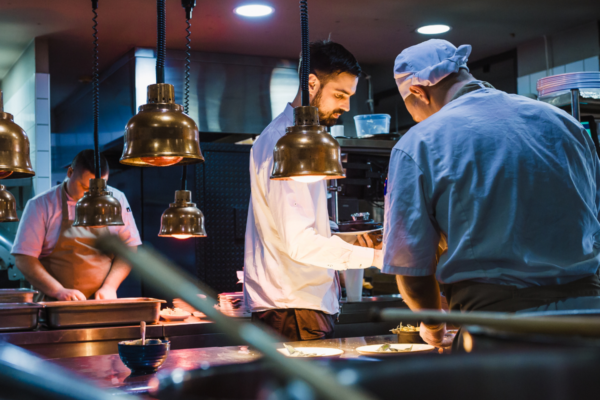
Summer in hospitality is often described as a busy period. In reality, it is more demanding than that.
It builds gradually, reaches high volume, and then holds that pressure for weeks at a time. For teams on the ground, this is not a single peak to prepare for. It is a sustained demand that tests consistency, resilience, and planning.
This is why staffing support during the Summer cannot be treated as a one-off solution. It needs to be ongoing.
Expectation vs Reality in Summer Staffing
There is still a common assumption that summer staffing can be solved early.
The expectation is simple. Recruit ahead of time, fill the rota, and move into the season with confidence.
The reality in 2026 is more complex.
Workforce data shows that job postings have reduced by around 22,000, yet vacancy levels remain high. At the same time, demand across hospitality continues to increase, particularly with strong domestic travel and seasonal trade.
This creates a contradiction. There are fewer people actively entering the market, but more demand placed on those already working.
Summer staffing is no longer just about filling roles. It is about maintaining coverage in a tightening labour market.
Why the Traditional Model Is Struggling
The traditional approach to summer staffing relies on hiring ahead and stabilising the team early.
That model is under pressure.
There are fewer entry-level workers entering hospitality. Costs are rising, which limits how much businesses can expand teams. At the same time, the availability of temporary workers is more unpredictable.
This means even well-planned rotas can become unstable as the season progresses.
The issue is not poor planning. It is that the structure of the workforce has changed.
What Happens Without Ongoing Support
When staffing is treated as a fixed solution rather than a flexible one, gaps begin to reopen.
Cover that looked secure in early summer can shift due to sickness, availability changes, or increased demand. Teams begin to stretch, taking on more hours and more responsibility.
BBC reporting has highlighted that many hospitality businesses are already reducing opening hours or limiting service to manage staffing pressure. This is not always due to lack of demand, but lack of consistent coverage.
Over time, service standards can slip, not because teams are not capable, but because they are carrying sustained pressure without support.
The Impact on Teams
Sustained demand without consistent support leads to fatigue.
Teams working extended hours with limited recovery time are more likely to experience burnout. Morale can drop, particularly when pressure feels constant rather than temporary.
This also links directly to retention. Staff are less likely to stay through the full season if the experience becomes unsustainable.
The risk is not just short-term strain. It is losing good people at the point you need them most.
The Impact on the Business
The effect on the business is gradual but significant.
Reduced team capacity can lead to:
- Limited menus or service adjustments
- Shortened opening hours
- Slower service and guest dissatisfaction
Over time, this impacts revenue, reputation, and long-term customer loyalty.
Summer is one of the most important trading periods of the year. Maintaining consistency during this time is critical.
What Ongoing Staffing Support Actually Means
Ongoing support is often misunderstood.
It is not about filling a single gap or responding to a last-minute need. It is about having consistent access to support throughout the season.
In practice, this means:
- Reliable cover across multiple weeks, not just individual shifts
- Flexibility to adapt as demand changes
- People who understand the venue and how it operates
- Continuity that supports the existing team rather than disrupting it
This approach allows operators to manage pressure as it evolves, rather than reacting to it.
Why It Matters More in 2026
This summer is shaped by several overlapping pressures.
Labour shortages remain unresolved. Wage costs have increased. Guest expectations continue to rise, particularly with staycation demand driving volume across many regions.
At the same time, teams are being asked to deliver consistent service over longer periods of sustained trade.
This makes ongoing staffing support more important than ever. It is not an additional layer. It is part of how successful teams are structured.
Supporting Summer as It Happens
The most effective operators are not treating summer as a problem to solve once.
They are recognising it as a period that needs consistent support from start to finish.
That might mean building flexibility into rotas, planning for cover beyond initial hires, or working with partners who understand the pace and pressure of the season.
The focus is not just on having enough people. It is on having the right level of support, at the right time, throughout the summer.
Final Thought
Summer in hospitality is no longer a single peak to prepare for.
It is a sustained period of demand that requires ongoing support to manage well.
Teams perform best when they are supported consistently, not stretched reactively. Businesses perform best when service remains stable, even as pressure builds.
The difference often comes down to how staffing is approached. Not as a one-off fix, but as a continuous part of the operation.