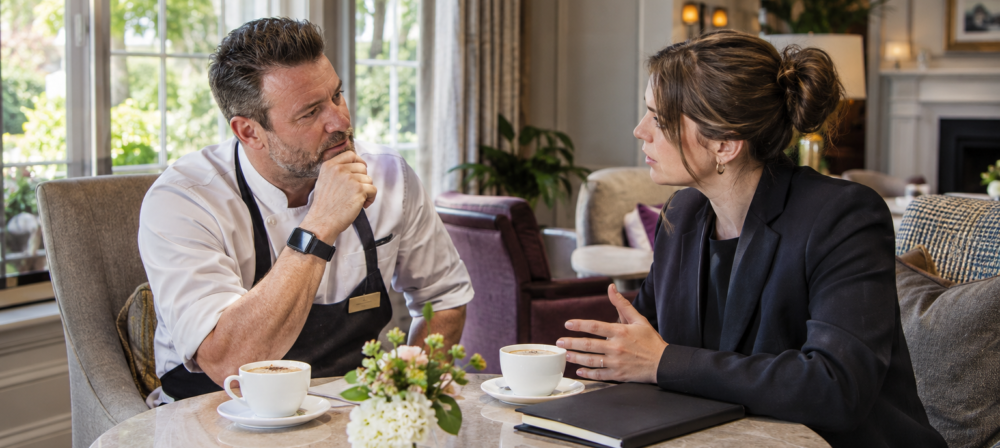
Hospitality professional discussing career priorities and future opportunities

What Hospitality Professionals Are Looking for in Their Next Role in 2026

Being open to a conversation about another role does not mean you are unhappy where you are. You might enjoy your team while wondering about a different service style, more responsibility or working arrangements that suit your life better.

Caterer.com’s H1 2026 research reflects that distinction. Among surveyed hospitality workers, 80% said they were open to new opportunities, while 84% reported satisfaction with their current employer.

These are separate findings from the same survey. They do not tell us the exact proportion of satisfied workers who were also open to a move, but they show why interest in opportunities should not automatically be read as dissatisfaction.


Salary still matters

Salary was identified as a priority by 59% in the report’s 2026 findings. For anyone considering hospitality careers in the UK, the financial side deserves a clear conversation.

Look at what is guaranteed, the hours attached to it and any variable elements of the package. If tips, service charge, bonuses or accommodation are mentioned, ask how each works rather than assuming they are part of basic pay.

Travel costs and the practical pattern of the week also matter. An attractive headline figure needs to make sense alongside the full responsibilities and arrangements.


Security has become more prominent

The report showed job security increasing as a priority from 25% in 2025 to 32% in 2026.

For an individual, security might mean clearer contracted hours, confidence in the role’s purpose or understanding how the team is structured. The questions will vary depending on your circumstances.

You can ask why the role is available, how it fits into the operation and what the first few months would involve. No conversation can remove every uncertainty, but useful answers help you make a more informed decision.


Flexibility needs a practical definition

Flexible working rose as a priority from 18% in 2025 to 28% in 2026 in the same research.

In hospitality, that might involve the pattern of days, shift arrangements, advance notice of rotas or how personal commitments are discussed. It will look different in a hotel, restaurant, pub or catering operation.

Explain what matters to you and ask what is genuinely possible. A shared understanding of the working week is more useful than a general promise of flexibility.


Development and the working environment

A new title only tells you so much. Think about who you would learn from, what responsibilities you would gain and whether the venue can support the direction you want to take.

Ask how people are trained, how feedback is given and what progression has involved within the team. The way leaders answer can help you understand the environment you would be joining.

Culture becomes easier to assess when you discuss everyday situations, such as support during a difficult service or how a new colleague is introduced to the operation.


Decide what would make a conversation worthwhile

You do not need to be ready to resign before exploring your options. Start by identifying the things you value in your current role and what, if anything, you would like to change.

Ginger can talk through those priorities with you. That conversation should help clarify what would make an opportunity relevant, including whether staying where you are continues to suit you.

What would make your next hospitality role worth considering? Talk to us about the experience, working arrangements and opportunities that matter to you.


01200 890 890


Research reference: Caterer.com, Hospitality Hiring Insider H1 2026, Part 1, pages 9 and 10. Hospitality survey findings come from a sample of 70 jobseekers within wider Stepstone research. Comparisons are with the report’s 2025 research.

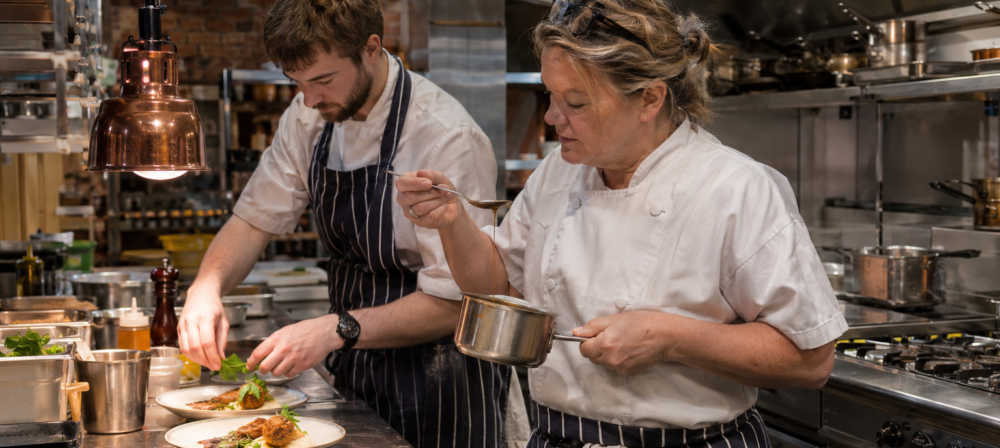
Relief chef preparing a section alongside an established kitchen brigade

What Experienced Relief Chefs Bring to Busy Hospitality Kitchens

Walking into a new kitchen takes more than knowing how to cook. There is a menu to understand, a section to organise and a brigade with its own rhythm. Equipment, storage and service arrangements may all be unfamiliar.

An experienced relief chef brings cooking skills alongside the ability to listen, ask useful questions and work within that existing operation. For a venue, that can provide support around a particular absence, function or run of services.

The assignment needs to suit the chef’s experience. A section requiring additional support is a different brief from a kitchen needing someone to take responsibility for the pass.


Adaptability starts with understanding

A chef moving between venues needs to recognise how each kitchen works. That includes preparation methods, presentation expectations, reporting arrangements and the way the team communicates during service.

Adaptability means working to the venue’s requirements while raising questions where something needs clarification. It should not depend on guessing a recipe, an allergen instruction or the scope of a responsibility.

A short introduction from the person leading the kitchen gives a relief chef somewhere useful to begin. Even an experienced professional needs to know what is expected in that particular environment.


Technical experience should match the assignment

A Chef de Partie may be asked to manage preparation and service on an agreed section. A Sous Chef may need to support coordination across the brigade. Senior cover can involve wider responsibility, depending on the brief.

Menu style matters too. Banqueting, fresh food pub service, hotel dining and an ambitious tasting menu each place different demands on timing, preparation and presentation.

Clear conversations about those demands help identify suitable experience. They also give the chef a fair understanding of the work before accepting it.


What the North West research shows

Caterer.com’s H1 2026 report recorded 777 Chef postings and 554 Chef de Partie postings in the North West during January to June 2026.

Those figures are recorded job postings in the report’s measurement period. They are not a count of vacancies still unfilled, relief assignments available through Ginger or evidence of current Christmas demand.

They provide regional context for culinary recruitment. The experience needed in an individual kitchen still depends on that venue’s menu, standards and team.


Working with an established brigade

Good communication helps everyone understand who is doing what. A relief chef should know who is leading service, where to raise questions and how changes are shared.

The venue can help by explaining the menu, preparation priorities, equipment and relevant procedures. Confirming hours, breaks and responsibilities beforehand also avoids practical uncertainty on arrival.

Relief chefs may support restaurants, hotels, pubs and other catering settings across North West England. Suitability depends on the assignment, travel arrangements and the chef’s background, rather than location alone.


Speak to Victoria about the kitchen or your experience

Victoria is the relief recruitment specialist looking after the Ginger Brigade over Christmas. The first conversation can simply cover how the kitchen is looking and where support might help.

For chefs, it can begin with the environments you enjoy, your experience and the areas you can realistically reach. Availability and assignment details need to be discussed as requirements arise.

Need relief chef support, or interested in joining the Ginger Brigade? Speak to Victoria. She is looking after the Brigade over Christmas and can help you explore the next steps for your venue or your availability.

01200 890 890


Research reference: Caterer.com, Hospitality Hiring Insider H1 2026, Part 1, page 7. Regional job posting data covers January to June 2026.

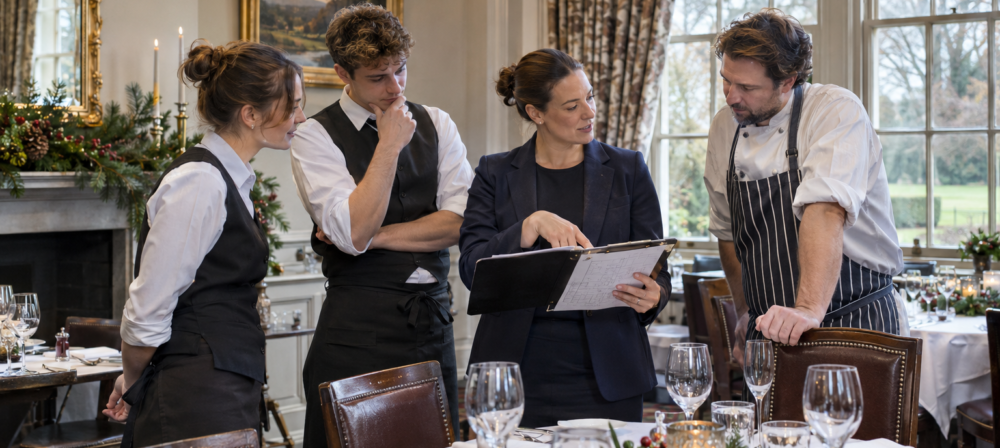
Hospitality manager reviewing applications for a permanent team role

Why More Job Applications Do Not Always Make Hospitality Recruitment Easier

Receiving more applications should give a venue more choice. Sometimes it does. But a larger inbox does not always make it easier to find someone with the experience, availability and approach the team needs.

Caterer.com’s Hospitality Hiring Insider H1 2026 report found that 53% of surveyed hospitality employers were receiving more applications. At the same time, 44% identified finding people with the right skills as their biggest hiring barrier.

These findings describe the employers surveyed, rather than every hospitality business. They do, however, help explain why a busy recruitment process can still leave a manager struggling to identify the right person.


What higher application numbers mean for managers

Every application needs some consideration. Experience needs checking, practical details need confirming and people need to hear what happens next.

When the person managing recruitment also runs a restaurant, oversees a kitchen or supports several hotel departments, that work has to fit around the operation. A larger response can create more administration before it creates a useful shortlist.

The report also recorded an increase in average reported hiring time from seven weeks in 2025 to ten weeks in 2026. That is survey evidence, rather than a timetable for an individual search. It suggests that attracting interest and reaching an appointment can be quite different challenges.


Relevant experience needs context

A familiar job title is a useful starting point, but it cannot explain an entire working background.

A Restaurant Manager may have led formal table service, a busy neighbourhood restaurant or a hotel operation with breakfast, dinner and private events. Each setting develops valuable experience, but the demands are different.

The useful question is what the person has actually done. That might include leading a service, developing junior colleagues, handling wine recommendations or coordinating functions alongside normal trade.

Being specific helps a venue recognise both directly relevant experience and skills that could transfer successfully from another setting.


A clear brief gives the search direction

Before looking through more applications, it can help to revisit what the role needs to achieve.

Which responsibilities must the person be ready to take on? What can be taught? What support will they receive? Are the working hours, salary and location clear enough for someone to judge whether the role is practical?

These details shape the search. They also help prevent someone progressing through several conversations before discovering that an essential part of the opportunity does not work for them.


Communication remains part of recruitment

Interest needs a response. Clear interview arrangements, useful feedback and an explanation when decisions take longer all help people understand where they stand.

For a venue, this means agreeing who makes decisions and who keeps in touch. A focused process still needs room for thoughtful assessment, but avoidable uncertainty can make it harder for everyone involved.


Finding the experience your venue needs

For venues looking for a hospitality recruitment agency in the North West, useful support begins with understanding the operation.

Ginger Hospitality is built by hospitality professionals. We talk through the service, the existing team and the responsibilities behind the title, then use that understanding to guide conversations with people whose experience may be relevant.

The aim is a search built around your venue, with a clearer reason for each introduction.

Finding the right experience difficult to identify? Talk to Ginger about the role and the people your team needs.


01200 890 890


Research reference: Caterer.com, Hospitality Hiring Insider H1 2026, Part 1, pages 9 to 11. The report identifies a hospitality survey sample of 167 recruiters and 70 jobseekers within wider Stepstone research. Findings describe surveyed respondents.

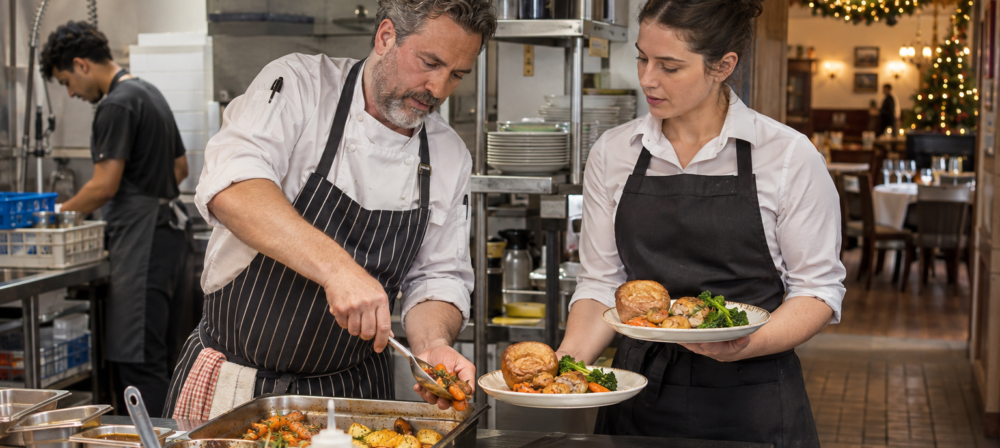
Temporary hospitality staff supporting a busy Christmas service

When Temporary Hospitality Staff Can Make a Difference to Festive Service

There is no single version of a busy Christmas service.

One hotel may be preparing for several Christmas parties alongside overnight guests and restaurant bookings. A pub might have a full dining room for festive lunches followed by drinks led evening trade. A restaurant could be balancing larger tables, seasonal menus and private dining. An events venue may have individual dates where staffing requirements look completely different from the rest of the month.

That is why temporary hospitality staff at Christmas are most useful when the support is shaped around the actual service.

It is not simply about adding more people to a rota.

It is about understanding where pressure is likely to build and which role could genuinely make things easier for the existing team.


Christmas Staffing Is About the Right Role

Hospitality hiring remained complex during the first half of 2026.

Caterer.com’s H1 2026 Hospitality Hiring Insider highlighted higher application volumes, longer recruitment timelines and teams making more considered hiring decisions.

More people applying does not automatically make finding the right experience easier.

That matters during Christmas because festive services often need people who can step into a working hospitality environment and understand what is expected of them.

A venue needing an experienced chef for several functions has a different requirement from one looking for Kitchen Porter support on a particularly busy weekend.

Similarly, Front of House support for a formal Christmas dinner may need different experience from additional people helping with a lively drinks led event.

Understanding that difference is where a relief staffing conversation becomes useful.


Temporary Chefs and the Kitchen Brigade

Christmas can change the rhythm of a kitchen significantly.

There may be additional functions alongside normal service, larger tables, seasonal menus or a run of busy services with less space between them.

Temporary chefs can support in different ways depending on what the permanent brigade needs.

A Relief Head Chef or Sous Chef may be useful where senior cover is required.

A Chef de Partie can support a particular section or add capacity during preparation and service.

More junior kitchen support may help where the existing brigade needs additional hands around prep and service.

The important part is matching the level of chef to the actual requirement.

If the permanent brigade already has strong leadership in place, the most useful addition may simply be an experienced chef who can come into the kitchen, understand their section and support the wider team.

For another venue, senior relief experience may be exactly what is needed.


Kitchen Porter Support at Christmas

Kitchen Porters can sometimes be overlooked when festive rotas are being planned.

But anyone who has worked through a busy Christmas service knows how important they are.

Higher covers mean more equipment, crockery and kitchen movement. Functions can add extra preparation and clearing requirements. Several services close together can also put more pressure on keeping the kitchen organised and ready for what comes next.

A good Kitchen Porter supports that flow.

They help maintain cleanliness, keep equipment moving, support waste management and make sure chefs can focus on preparing and serving food rather than being pulled away from their own responsibilities.

Sometimes the extra support that makes the biggest practical difference is not another chef.

It is making sure the whole kitchen brigade has the support around it to work properly.


Front of House Support for Festive Celebrations

Christmas Front of House service often brings a different guest dynamic.

There may be larger groups.

Guests may stay longer.

Drinks orders can be heavier.

Tables may be celebrating rather than simply dining.

Private parties and functions may also need their own service teams alongside the venue’s usual operation.

Temporary Front of House professionals can support waiting teams, functions, events and wider guest service depending on the style of the venue.

The right person should understand the type of service they are joining.

A formal hotel dinner, busy pub Christmas party and large event all need slightly different approaches.

This is why telling a relief staffing partner about the venue and service matters just as much as giving them the job title.


Bar Support During Christmas Trade

Christmas drinks service can have its own pressure points.

Work celebrations, family gatherings, events and weekend trade can all create concentrated periods where the bar becomes particularly busy.

Additional bar support may help with serving guests, preparing drinks, maintaining the bar area and keeping service moving alongside the permanent team.

Again, experience matters.

If the venue has a particular cocktail offer, high volume drinks operation or specific service style, sharing that information early can help identify someone more suited to the environment.

Temporary hospitality staff should support the service that already exists rather than require the venue to completely change the way it operates.


Planned Support and Unexpected Gaps

Not every relief requirement can be predicted.

Someone may become unwell. Availability may change. A booking may grow.

An event may require more support than originally expected.

Relief staffing will always have a reactive side because hospitality itself can change quickly.

But there is also a difference between an unexpected gap and a requirement the venue already knows is likely to exist.

If a hotel already knows it has three large Christmas functions on particular dates, that is useful information to discuss early.

If a pub knows December Saturdays regularly put pressure on the kitchen and bar, that can also form part of the conversation.

Planning does not mean everything has to be confirmed immediately.

It simply gives more visibility around where additional support may be useful.


What Helps Us Understand Your Relief Requirement?

The first conversation does not need to be complicated.

A few pieces of information can help Victoria and the Ginger team understand what may be needed.

The role is important, but so is the wider context.

  • What type of venue is it?
  • What date are you considering?
  • Where is the venue?
  • What hours are involved?
  • What will the person be supporting?
  • What level of experience would be useful?
  • Is it normal service, a Christmas party, a wedding, a private function or another event?
  • Are there particular standards or skills that matter to your team?

Those details help us understand the requirement beyond a job title.

From there, Victoria can talk through what type of Ginger Brigade support may be appropriate and what availability may be possible.


The Ginger Brigade at Christmas

The Ginger Brigade supports hospitality venues across a wide range of roles.

That includes chefs at different levels, Kitchen Porters, Front of House professionals, bar teams, housekeeping and event support.

Every requirement is different, so we do not want the conversation to begin by assuming what your venue needs.

Victoria looks after the Ginger Brigade and relief recruitment over Christmas, and the easiest place to start is simply by talking through how the festive period is looking.

You might already have specific dates in mind.

You might know one part of the operation is likely to feel stretched.

Or you might simply want to understand what relief support could look like before committing to anything.

That conversation can come first.

For hospitality professionals interested in joining the Ginger Brigade over Christmas, Victoria is equally happy to hear about your experience, availability and the type of environments you enjoy working in. That does not mean a particular role is guaranteed, but it helps us understand where your experience could be best suited when opportunities arise.


Finding the Right Festive Support

Temporary hospitality staff can make a difference at Christmas when their role is clear and their experience matches what the venue actually needs.

Sometimes that means adding kitchen support around a demanding service.

Sometimes it means making sure the Kitchen Porter team has enough capacity.

Sometimes it is Front of House or bar support for a particular celebration.

And sometimes it is simply having someone available when an unexpected gap appears.

The starting point is understanding where an extra pair of hands would genuinely help.

Where would an extra pair of hands help your team? Talk to Victoria about how things are looking at your venue. She can help you work through the relief support you may need.

01200 890 890

Why November Is a Valuable Time to Start Permanent Hospitality Recruitment

November is a busy month in hospitality.

Christmas bookings are building, festive menus are live and teams are starting to focus on one of the most demanding trading periods of the year.

It might not seem like the obvious moment to think about January recruitment.

But beginning a conversation in November does not mean rushing to make an appointment before Christmas. It simply creates more time to understand what the business needs, explore the market and think properly about the person who could strengthen the team in 2027.

For permanent hospitality recruitment in the UK, that breathing room can be valuable.


Why January Becomes a Natural Starting Point

January often brings change.

For hospitality businesses, it can create an opportunity to reflect on the previous year, review team structures and look at what the operation may need for the year ahead.

For hospitality professionals, the beginning of a new year can also be a natural point to think about career progression, new challenges and what they want from their next move.

That can make January an important period for permanent recruitment.

But deciding in January that a new appointment is needed does not necessarily mean the right person will be ready to start immediately.

A permanent search involves more than advertising a role and choosing from applications. There may be conversations, interviews, notice periods and internal decisions to work through before somebody joins the team.

Starting that thinking earlier gives the process more room.


What 2026 Hiring Research Tells Us

Research reported by Caterer.com during the first half of 2026 highlighted how recruitment timelines had become longer.

The average reported hiring time increased from around seven weeks to around ten weeks.

Higher application volumes were part of the challenge. More applications do not automatically mean more suitable people.

Businesses reported spending more time working through applications while still finding it difficult to identify people with the relevant skills they required.

The important point is that this is survey evidence, not a guaranteed recruitment timeline.

Some hospitality roles can be filled considerably faster. Others, particularly specialist, senior or difficult to source positions, may take longer.

What the findings do show is why allowing time for a considered search can be useful.

If a venue hopes to strengthen its permanent team early in 2027, waiting until January to begin every conversation may reduce the options available.


Starting a Search Is Not Making an Appointment

There is an important difference between starting a recruitment conversation and committing to a hire.

Beginning in November does not mean a venue needs to have every detail decided.

It can simply be the point where the questions begin.

  • What does the team need?
  • Where would another person create the most value?
  • Is this replacing somebody, strengthening an existing department or bringing new experience into the business?
  • What level should the role sit at?
  • What would make somebody successful within the venue?

Those conversations can happen while the existing team continues through Christmas.

The aim is not to rush towards an appointment. It is to create enough understanding that, when the search begins properly, it starts in the right direction.


Understanding The Role Before Recruiting

Job titles can hide a lot of detail in hospitality.

A Sous Chef role in one kitchen can look completely different from a Sous Chef role somewhere else.

The same is true of Restaurant Managers, Food and Beverage Managers, General Managers and almost every other permanent hospitality position.

Venue size matters. Service style matters. The existing team matters.

Opening hours, guest expectations, covers, events and commercial responsibilities can all change what the role actually requires.

That is why one of the most useful things a venue can do before recruiting is understand where the new person will sit within the existing operation.

A clear role gives the search more direction.

It also means conversations with hospitality professionals can be more meaningful from the beginning.


Experience Is Only Part Of The Decision

Relevant experience matters in permanent hospitality recruitment, but it rarely tells the whole story.

Hospitality is built around people working closely together, often in pressured environments.

The person joining the business needs the technical capability to do the role, but there are other questions worth considering.

  1. How do they communicate?
  2. How do they lead or support others?
  3. What environment allows them to perform at their best?
  4. What are they hoping to achieve next in their career?
  5. Does that ambition align with what the venue can genuinely offer?

Someone can have impressive experience and still not be the right fit for a particular team.

Equally, someone whose career does not look identical to the original brief may bring the attitude, transferable experience and ambition that makes them a strong addition.

A considered recruitment process leaves room to understand both.


Why Cultural Fit Matters In Hospitality

Culture can sometimes sound like a vague recruitment term, but in hospitality it is very practical.

It is how the team communicates during a difficult service.

It is how managers develop their people.

It is how standards are protected.

It is how problems are approached.

It is the pace and personality of the venue.

For a permanent appointment, understanding that environment matters because the person is not simply completing shifts. They are becoming part of the business.

Taking time to understand the culture makes it easier to identify people who are likely to complement the existing team rather than simply meet the requirements on paper.


Building A Considered Permanent Search

This is where a permanent hospitality recruitment partnership can help.

At Ginger Hospitality, we want the conversation to start with the venue rather than a list of CVs.

  • What is changing?
  • What is working well within the team?
  • What experience would genuinely add something?
  • What kind of person would suit the environment?
  • What does success in the role look like six months or a year after they start?

From there, the search can be built around the actual need.

It creates space to explore the market, speak with people who may not be actively applying for roles and understand whether the opportunity genuinely fits their next step.

That takes more thought than simply filling a vacancy, but permanent appointments deserve that attention.


November Creates Useful Breathing Room

Starting a permanent recruitment conversation in November is not about making hospitality businesses think further ahead than is realistic.

Christmas is already demanding enough.

It is about recognising that a January appointment may benefit from some thinking before January arrives.

The Caterer.com findings from H1 2026 showed reported average hiring times moving from seven to ten weeks, alongside greater application volumes and continued difficulty finding relevant skills.

That does not mean every search will take ten weeks.

It does mean the strongest permanent appointments are not always instant.

A conversation in November can give a venue time to understand the role, explore what is available and enter 2027 with a clearer picture of the person the team really needs.

Considering a permanent appointment for 2027? Tell us what your venue needs, and we can start with a conversation.

01200 890 890

How Hospitality Venues Can Prepare Their Teams for Christmas 2026

For hospitality, Christmas rarely begins on 1 December.

Festive menus, parties, overnight stays, private events and family gatherings can start building weeks before Christmas Day itself. For teams, that means the demands of the season can arrive while normal trade is still continuing around them.

Looking back at Christmas 2025 gives some useful context.

Square analysed transactions from UK food and drink sellers between 1 November 2025 and 31 January 2026. The second Saturday of November was already one of the busiest days in that period, with transactions 65% above an average trading day.

The busiest date came on the second Saturday of December, when transactions were 67% above an average trading day.

That does not tell us exactly what Christmas 2026 will look like. Every venue, location and season is different.

What it does show is that festive demand can build earlier than December and that some of the strongest trading days may arrive well before Christmas itself.

For operators, that creates a useful opportunity to look at the whole festive period rather than one or two obvious dates.


Christmas Pressure Looks Different Across Hospitality

There is no single Christmas staffing plan that works for every hospitality business.

A hotel may be balancing overnight guests, Christmas parties, breakfast service, housekeeping, festive lunches and events across the same week.

Restaurants may see larger tables, set menus, private dining and more pressure around particular evenings and weekends.

Pubs can move between Christmas lunches, drinks led gatherings, family trade and busy weekend services.

Event venues may have individual dates that require a completely different level of staffing from the rest of the month.

That is why festive planning works best when it starts with the actual operation.

Which dates are already looking busy?

Which services require more preparation?

Where do large bookings change the usual flow?

Which parts of the venue will need more people than they would during a normal week?

It is less about assuming Christmas will simply be busy and more about understanding where that busyness is likely to land.


Which Festive Roles May Need More Support?

Christmas pressure rarely sits within one department.

A strong booking diary can affect the kitchen, Front of House, bars, housekeeping, events and the people managing the wider operation.

In the kitchen, extra covers can increase prep demands before the first guest even arrives. Christmas menus, functions and larger tables can all put different pressure on chefs and Kitchen Porters.

Front of House teams may be managing more groups, longer tables, different service formats and guests celebrating occasions rather than simply having a normal meal.

Bars can see concentrated periods of demand around parties, events and weekend celebrations.

Hotels may need to think about housekeeping, breakfast and food and drink together, particularly when festive stays overlap with functions.

The useful question is not simply whether the rota has enough names on it.

It is whether each service has the right mix of people and experience for what is actually happening that day.


Balancing Your Existing Team With Festive Bookings

A good permanent team already carries a huge amount of knowledge.

They understand the venue, the regular guests, the standards, the menu and how the operation works when things get busy.

Christmas planning should support that strength rather than assume the same people can absorb every additional booking.

Looking at festive bookings alongside team capacity can help operators identify pressure before it reaches the service.

That might mean considering where annual leave overlaps with stronger trade. It could mean spotting that several large events sit close together or that a particularly strong weekend follows a demanding run of midweek parties.

There may also be senior team members whose absence changes the balance of a shift more significantly than the rota initially suggests.

The aim is not to overstaff every festive service.

It is to understand where additional support could give the existing team more room to deliver well.


Where Relief Staffing Can Help at Christmas

Relief support can be useful when it is matched to a specific need.

For one venue, that may mean an experienced relief chef supporting a run of Christmas functions.

For another, it may be Front of House support around a large private event or a particularly busy Saturday.

Pubs may need additional bar or kitchen support around key festive weekends.

Hotels may want to discuss chefs, Front of House, housekeeping or event support depending on the shape of their Christmas business.

Kitchen Porters can also make a significant difference during high volume periods, helping the wider kitchen maintain flow when covers and preparation increase.

The Ginger Brigade covers a wide range of hospitality roles, so the conversation does not need to start with a fixed solution.

It can simply begin with the dates, roles and pressure points a venue is considering.

From there, we can talk about what type of support may be appropriate and what availability may look like.


Looking Beyond Christmas Day

The Square transaction data from the previous festive period is also a useful reminder that Christmas trade does not sit neatly around Christmas Day.

The second Saturday of November 2025 was already among the strongest dates recorded in the analysis, while every Saturday in November appeared among Square’s twelve busiest days across the period studied.

December then brought the single strongest day.

For venue teams, that means the festive season can be a sustained period rather than one intense week.

Christmas parties may start in November.

December weekends may bring repeated pressure.

Some venues may then continue into Christmas, New Year and January events.

Thinking about the season as a whole can make it easier to identify where the same team might otherwise be asked to carry several peaks in quick succession.


Why an Early Staffing Conversation Helps

Having a festive staffing conversation early does not mean every detail needs to be fixed immediately.

Bookings can move. Events can change. Guest numbers develop. Team availability can shift.

The value is simply in creating visibility.

If you already know there are particular weekends, functions or roles that may need extra support, discussing them earlier gives everyone a clearer picture of what may be required.

It can also help distinguish between support that is likely to be planned and support that may still need to remain flexible.

For Ginger, these conversations are about understanding the venue first.

  • What kind of service is it?
  • What is happening on the date?
  • Which role would genuinely help?
  • What experience would work best with the existing team?

That gives relief support a purpose beyond simply adding another person to the rota.


Preparing Your Team for Christmas 2026

Christmas hospitality staffing in the UK is not about predicting every service perfectly.

It is about giving teams enough structure and support to respond well when festive demand builds.

The 2025 transaction data shows that strong seasonal trade was already visible by the second Saturday of November and continued into December. It does not guarantee the same pattern for Christmas 2026, but it is a useful reminder that festive planning can start earlier than many of the traditional Christmas dates.

For operators, the practical starting point is simple.

Look at the diary. Look at the team. Look at where the pressure is most likely to sit.

Then decide whether a little extra support around those moments could make the season steadier for everyone.

Have a few festive dates in mind? Tell us the roles, dates and location, and we can talk through what support may be possible.

01200 890 890

AA Hospitality Awards 2026: The Full List of Winners

The AA Hospitality Awards returned on 21 September 2026 at Grosvenor House in London, bringing together some of the people, restaurants, hotels and hospitality teams setting exceptional standards across the industry.

Hosted by Fleur East, the awards recognised much more than great food and impressive hotels.

Recognition covered chefs, Front of House professionals, housekeeping teams, emerging talent, spas, wine programmes, sustainability, hospitality education and people whose contribution to the industry stretches across decades.

Alongside the individual awards, 2026 also brought significant new accolades for restaurants and hotels across the UK and Ireland.


AA Chefs’ Chef 2026

Adam Byatt. Chef Patron, Trinity, Clapham

It is a particularly meaningful award because the recognition comes from within the culinary profession itself.

The AA highlighted Adam’s work at Trinity, his influence on modern British dining, his commitment to developing future hospitality professionals and his wider contribution to the industry.

Recognition from peers carries a different weight, making this a significant achievement within an already distinguished career.


AA Restaurants Of The Year 2026

The AA Restaurants of the Year awards celebrate standout restaurants across different parts of the UK, recognising excellence while reflecting the diversity of the country’s dining scene.

England: The Star Inn at Harome, Harome, North Yorkshire

London: AngloThai, Marylebone

Wales: The Walnut Tree, Abergavenny, Monmouthshire

Scotland: Swadish by Ajay Kumar, Glasgow

The four winners demonstrate just how varied exceptional hospitality can be, from destination restaurants in rural settings to distinctive dining experiences in the heart of major cities.


AA Hotels Of The Year 2026

The Hotel of the Year awards recognise exceptional hospitality across different regions, celebrating properties delivering consistently strong experiences for their guests.

England: Calcot Manor and Spa, Near Tetbury, Gloucestershire

London: The Emory, Belgravia

Scotland: Crossbasket Castle, High Blantyre, Lanarkshire

Wales: Porth Tocyn Hotel, Abersoch, Gwynedd

Northern Ireland: Culloden Estate and Spa, Belfast

Each property represents a different style of hotel hospitality, but the recognition reflects the standards being delivered across the complete guest experience.


AA Restaurant With Rooms Of The Year

The House of George W. Davies. Broadway, Worcestershire

The Restaurant with Rooms of the Year category recognises businesses where high quality dining and accommodation come together to create one complete hospitality experience.

The House of George W. Davies took the 2026 award.


AA Inn Of The Year

The Penny Bun, Ilkley, West Yorkshire

The award recognises excellence within the traditional inn sector, where food, accommodation, atmosphere, service and the wider guest experience all need to work together.


AA B&B Of The Year

Lys Na Greyne, Aboyne, Aberdeenshire

Exceptional accommodation at this level is often defined by personal hospitality, attention to detail and consistent standards, making the award an important recognition of the people behind the guest experience.


AA Hotel Spa Of The Year

Old Course Hotel, Golf Resort & Spa

Wellness now plays an increasingly important role within luxury and resort hospitality, and this award recognises excellence across the complete hotel spa experience.


AA Wine Award 2026

The AA Wine Award celebrates outstanding wine programmes within hospitality, recognising the expertise, thought and detail behind the experience offered to guests.

England: etch. by Steven Edwards, Brighton & Hove

Scotland: Knockinaam Lodge, Portpatrick, Dumfries & Galloway

Wales: The Jackdaw, Conwy


AA Small Hotel Group Of The Year

Firmdale Hotels

The AA highlighted the consistency delivered across its properties, alongside distinctive design, food and drink, maintenance standards and the hospitality delivered by its teams.

For any hotel group, maintaining a clear identity while achieving consistency across several properties is a significant challenge, making this an important recognition of the wider operation.


AA Group Of The Year

The Celtic Collection

The recognition reflects excellence across a larger hotel group, with the AA highlighting its scale within Welsh hospitality as well as its focus on people, talent development, community work and sustainability.


AA Small Hotel Team Of The Year

Knockendarroch Hotel, Pitlochry, Perth & Kinross

Hospitality awards naturally put a spotlight on individual leaders, but hotel standards are always delivered collectively.

The Small Hotel Team of the Year award recognises exactly that, with the team at Knockendarroch Hotel taking the 2026 honour.


AA Large Hotel Team Of The Year

St Ermin’s Hotel, London

Hotel excellence relies on people working across departments, from reception and housekeeping to kitchens, restaurants, maintenance and leadership.

This award recognises that collective effort and the standards created when those teams work together.


AA Sustainable Restaurant Of The Year

The Black Swan. Oldstead, North Yorkshire

The Black Swan became the first recipient of the AA Sustainable Restaurant of the Year award.

The AA recognised the restaurant for its environmentally responsible approach to hospitality and its farm to table philosophy.

The award reflects the growing importance of sustainability within high level dining and demonstrates that environmental responsibility and ambitious food can operate alongside one another.


AA Sustainable Award

Malmaison And Hotel Du Vin

Malmaison and Hotel du Vin received the wider AA Sustainable Award for 2026.

The recognition celebrates sustainability within the hotel sector and the work being done to place responsible hospitality more firmly within everyday operations.


AA College Restaurant Of The Year

Y Dosbarth, The Classroom. Cardiff and Vale College, Cardiff

Hospitality education plays a vital role in the future of the industry. Creating environments where people can develop practical skills, confidence and genuine service experience gives the next generation the foundations they need to progress.

That makes recognition of hospitality education an important part of the wider awards.


AA Lifetime Achievement Award

David Morgan Hewitt MI, FIH

David Morgan Hewitt received the AA Lifetime Achievement Award following more than 40 years in hospitality.

He has been part of The Goring since 1990, progressing through senior leadership positions before becoming Chairman in 2024.

The recognition celebrates not only his leadership within one of London’s best known hotels, but his wider contribution to the hospitality profession across a career spanning more than four decades.


AA Outstanding Contribution Award

Adam Terpening. Director of Room to Reward

Adam Terpening received the AA Outstanding Contribution Award for his work with Room to Reward.

The charity connects donated unsold hotel rooms with deserving volunteers from charities and community organisations, allowing the hospitality industry to recognise people giving their time to support others.

The AA recognised Adam’s role in building the charity and developing its relationship with hotels and the wider hospitality community.


AA Housekeeper Of The Year

Katarzyna Celinska. The Bloomsbury, London

Housekeeping is one of the areas of hospitality that can sometimes receive less public recognition than it deserves, despite being fundamental to the guest experience.

The AA highlighted themes including leadership, standards, consistency and people development in recognising Katarzyna’s work.

It is a brilliant achievement and an important celebration of the professionals delivering exceptional standards behind the scenes every day.


AA Rising Star Award

Ilona Harris, Reception Manager, Cromlix

The Rising Star Award looks towards the future of hospitality.

Ilona Harris, Reception Manager at Cromlix, received the 2026 award, with the AA recognising her guest care, operational leadership, communication, team support and determination to continue developing within the industry.

It is an exciting recognition of someone already making an impact while continuing to build their hospitality career.


What Are AA Red Stars?

The AA Hospitality Awards also saw six hotels receive new Red Star recognition. But what does an AA Red Star actually mean? AA Red Stars represent the organisation’s Inspector’s Choice recognition.

Hotels receiving Red Stars stand out among the best properties within their existing star rating. The recognition reflects excellent quality alongside outstanding hospitality and service, regardless of the particular style of hotel.

This distinction is important.

A 5 Red Star hotel has achieved the standards required of a 5 Star property and has then additionally been selected for Inspector’s Choice recognition.

Similarly, a 4 Red Star hotel has been recognised as an Inspector’s Choice within the 4 Star category. Red Stars therefore recognise properties doing more than simply meeting the underlying requirements of their hotel rating.


New 5 AA Red Star Hotels 2026

Four hotels received new 5 AA Red Star recognition:

Red Star recognition reflects standards across the complete property, meaning these awards are achievements for the wider hotel teams delivering hospitality and service every day.


New 4 AA Red Star Hotels 2026

Two properties received new 4 AA Red Star recognition.

Again, the Inspector’s Choice recognition sits alongside the underlying hotel star rating and reflects the wider standards of quality, hospitality and service found within the property.


Understanding The AA Rosette System

AA Rosettes have recognised culinary excellence for decades and remain one of the most established restaurant rating systems in the UK. Rosettes are awarded following assessment by experienced AA inspectors.

Importantly, AA Rosettes are their own independent rating system.

They should not be treated as directly interchangeable with Michelin Stars. Both recognise culinary standards, but they are separate systems with their own assessment processes and criteria.

The 2026 awards saw 21 restaurants receive new multi AA Rosette recognition, including 15 new 3 AA Rosette restaurants and six new 4 AA Rosette restaurants.


What Does 3 AA Rosettes Mean?

Three AA Rosettes recognise outstanding restaurants worth planning a journey around.

At this level, consistency becomes particularly important. Precision needs to be extremely strong. Timing, seasoning and flavour combinations need to work consistently. Ingredients should be high quality and handled with skill and clarity.

The standard is assessed over time rather than through one isolated meal, which means restaurants need to repeatedly deliver at the required level.

There is very little room for error. Only around 15%  of AA Rosette awarded restaurants reach 3 Rosette level, showing just how demanding the standard is.

It represents much more than simply producing very good food. It reflects sustained culinary quality and consistency across the restaurant.


New 3 AA Rosette Restaurants 2026

Fifteen restaurants received new 3 AA Rosette recognition:

Congratulations to every chef, kitchen team and Front of House professional behind these new 3 Rosette restaurants.

Reaching this level requires consistency from the complete restaurant team, service after service.

What Does 4 AA Rosettes Mean?

Four AA Rosettes represent exceptional destination dining and place a restaurant among the very top establishments in the UK and Ireland. At this level, the AA is looking for exceptional technical ability alongside ambition, creativity and refinement. Originality matters, but not at the expense of balance or clarity.

Ingredients and techniques should be carefully considered, with a clear purpose behind every element of a dish. Most importantly, the standard needs to be sustained.

Four Rosettes are awarded sparingly because this level of dining is deliberately rare. It is recognition of restaurants operating at an exceptional level and maintaining those standards consistently.


New 4 AA Rosette Restaurants 2026

Six restaurants received new 4 AA Rosette recognition:


Reaching 4 Rosette level is a remarkable achievement for every person involved in these restaurants.

Behind the food itself are kitchen teams, suppliers, Front of House professionals, sommeliers, restaurant leaders and countless details that need to come together consistently at an exceptional level.


Congratulations To The 2026 Winners

The AA Hospitality Awards are a reminder of just how much talent, dedication and ambition exists across hospitality.

The individual names deserve celebrating. So do the restaurants, hotels and groups receiving recognition. But none of these achievements happen in isolation.

Behind them are chefs preparing for service, Front of House professionals welcoming guests, housekeepers protecting standards, reception teams creating first impressions, sommeliers building wine experiences, spa professionals, operational leaders and countless people working behind the scenes.

Every Red Star hotel and Rosette restaurant represents a team delivering those standards repeatedly.

From those receiving individual recognition to every person working within a newly awarded Rosette restaurant or Red Star hotel, congratulations from everyone at Ginger Hospitality.

We are proud to work alongside hospitality people and venues striving for these standards every day, and we look forward to seeing what the industry achieves next.
Understanding the People Behind Lumley Castle

There are some hospitality businesses where you understand almost immediately that the building itself is part of the experience.

Lumley Castle is one of them.

The genuine 14th-century castle overlooks the River Wear and Durham County Cricket Ground, surrounded by parkland and centuries of history. But step inside and it is also a working hotel, restaurant, wedding venue, events business and hospitality operation being delivered every day by a dedicated team.

That contrast is what makes it so distinctive.

When a hospitality business has this much personality, history and identity, understanding a role on paper is not enough.

That was one of the biggest takeaways from our Executive Search Manager Chris’s recent visit to Lumley Castle, where he spent time with General Manager Jeff Hodgson and had the opportunity to see the people and operation behind the building.

For us, that understanding matters because senior hospitality recruitment is never simply about matching experience to responsibilities.

It is about understanding what someone is being invited to become part of.


Understanding Lumley Castle

Lumley Castle has 72 bedrooms, with accommodation ranging from Castle and Courtyard rooms through to the King James, Queen Anne and Bishop suites.

The individuality of the building carries through into the rooms themselves, with features including four poster beds, original fireplaces and unusual architectural details that reflect the history of the property.

But Lumley Castle is much more than somewhere to stay.

Its wider hospitality operation includes leisure breaks, weddings, conferences, celebrations, private dining and events, all being delivered within a property with a very clear identity.

That variety matters when thinking about leadership.

The people running a property like this are not simply overseeing bedrooms or food and drink. They are helping maintain an experience that needs to feel consistent across very different parts of the operation.

Understanding that context changes the way you think about any future senior appointment. 


A Varied Lumley Castle Guest Experience

The food and drink operation shows just how varied the guest journey can be.

The Knights Restaurant delivers the main dining experience, while the Library Bar and Lounge provides something more relaxed.

Private dining is available through dedicated spaces including The Gilt and The Sceptre.

Weddings bring another dimension entirely, with spaces including the Garter Suite, Barons Hall, Scarbrough State Room and Barons Garden supporting celebrations throughout the property.

Then there are the experiences that give Lumley Castle even more personality.

Medieval Knight Dinners and Murder Mystery evenings bring entertainment into the hospitality offer and create something very different from a traditional hotel stay.

For the team, that means constantly adapting while protecting the character and standards of the property.

A wedding guest, restaurant diner, conference delegate and someone attending a themed evening may all experience Lumley Castle differently.

The leadership team has to understand all of them.

That operational complexity is one of the reasons venue understanding matters so much in hospitality executive search.


The Team Behind Lumley Castle

The castle itself makes an immediate impression.

But what stayed with Chris was the team behind it.

Meeting Jeff and spending time within the property gave him the opportunity to see beyond the architecture and understand more about the people delivering the experience every day.

Because ultimately, historic surroundings do not create hospitality on their own. People do.

They welcome the guests. They manage the details. They respond when plans change. They protect standards across busy services, celebrations and events. They create the atmosphere that turns an impressive building into a memorable stay.

That becomes particularly important when thinking about senior appointments. A new leader is not joining an empty operation.

They are joining an established team with existing relationships, ways of working, standards and personalities. The right appointment needs to complement that.


Recruiting Leaders For Venue Identity

One of the most important parts of senior hospitality recruitment is recognising that identical job titles can mean completely different things in different businesses.

A General Manager role at one hotel is not necessarily the same as a General Manager role somewhere else.

The same applies to senior food and drink positions, operations roles and other leadership appointments.

At Lumley Castle, the history of the property, its range of guest experiences, the existing team and the personality of the venue all influence what successful leadership looks like.

That means Executive Search needs to consider much more than previous job titles.

Leadership style matters. Communication matters. Cultural fit matters.  Guest experience matters.

The dynamics of the existing team matter. The complexity of the operation matters. And the direction the business wants to take next matters.

Someone may have an excellent CV, but the more important question is whether their approach fits the environment they will be asked to lead.


Why Venue Identity Matters In Executive Search

This is where knowing a hospitality business properly becomes so valuable.

Chris spending time with Jeff and experiencing Lumley Castle first hand gives any future search greater depth.

It means conversations can start with an understanding of the business rather than just a list of requirements.

If we are speaking with a senior hospitality professional about a future opportunity at Lumley Castle, we want to be able to explain what makes the property different.

We want to talk about the team.

The guest mix. The character of the operation. The expectations around leadership. The combination of heritage and modern hospitality. The different experiences being delivered under one roof.

That creates a far more meaningful conversation than simply presenting a job specification.


Understanding Before Searching

Many of the people approached through Executive Search are already successful in their current roles.

They may not be searching job boards or actively considering a move.

That means the conversation has to offer substance.

  • Why this property?
  • Why this team?
  • Why this moment?
  • What would they be joining?
  • What could they contribute?
  • What could the opportunity offer them professionally and personally?

To answer those questions credibly, we have to understand the business ourselves.

That is why visits like Chris’s time at Lumley Castle matter.

Not because Executive Search needs another meeting or another photograph, but because understanding creates better conversations.

And better conversations create stronger searches.


More Than A Job Description

The right senior appointment can influence culture, standards, team development, guest experience and the future direction of a hospitality business.

That is too important to reduce to a list of responsibilities.

At a venue as distinctive as Lumley Castle, identity matters.

The building has character. The guest experiences are varied. The operation is complex.

And behind all of it is a dedicated team bringing the property to life every day.

For Chris and Ginger Executive Search, understanding those things is where any future search should begin.

Because the right Executive Search starts by understanding what makes the business worth becoming part of.

If you are considering a senior appointment within your hospitality business, Chris and the Ginger Executive Search team take the time to understand far more than the brief. Start the conversation with us.


Executive Search Division

Starting a Hospitality Executive Partnership With Understanding

Strong Executive Search partnerships are not built from a job description. They begin with understanding.

Understanding the venue. The people. The operation. The guest experience. The standards being protected and the ambitions of the leadership team.

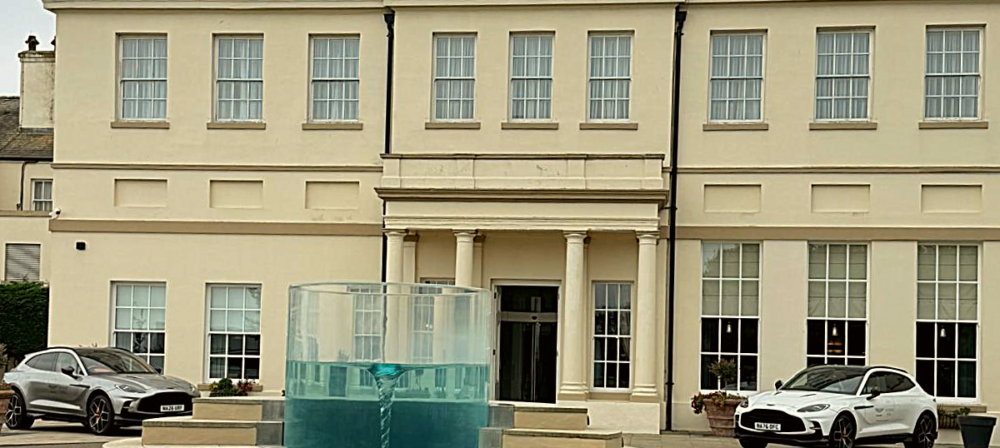
That was the purpose behind our Executive Search Manager Chris’s recent visit to Seaham Hall in County Durham, where he met General Manager Carlo Lulianella and began what we hope will become a strong long-term partnership.

There was no need to turn the conversation immediately into a search. The value was in spending time together, experiencing the property and beginning to understand what makes Seaham Hall distinctive.

Because when a senior appointment is eventually needed, that understanding gives every conversation that follows a much stronger foundation.


Discovering Seaham Hall First-Hand

Seaham Hall is a luxury five-star coastal spa resort set within a Georgian country house overlooking the Durham coastline.

Its suites combine the heritage of the property with contemporary coastal influences, while the wider experience brings together accommodation, dining, spa and wellness within one destination.

The setting plays an important role in the identity of the hotel. Positioned above the North Sea, Seaham Hall draws heavily on its surroundings, from the views guests experience to the ingredients and experiences offered throughout the property.

For Chris, seeing that environment first-hand provided context that could never be replicated through a written brief alone.

You can read about a hotel. You can understand its facilities on paper. But being there allows you to experience how those different elements come together for the guest.

That understanding matters when representing a luxury hospitality business in the senior market.


Understanding Seaham Hall Dining

Food and drink form another important part of the Seaham Hall experience.

The Dining Room sits within the Georgian house and combines its more traditional surroundings with menus focused on seasonal produce and ingredients from the surrounding region.

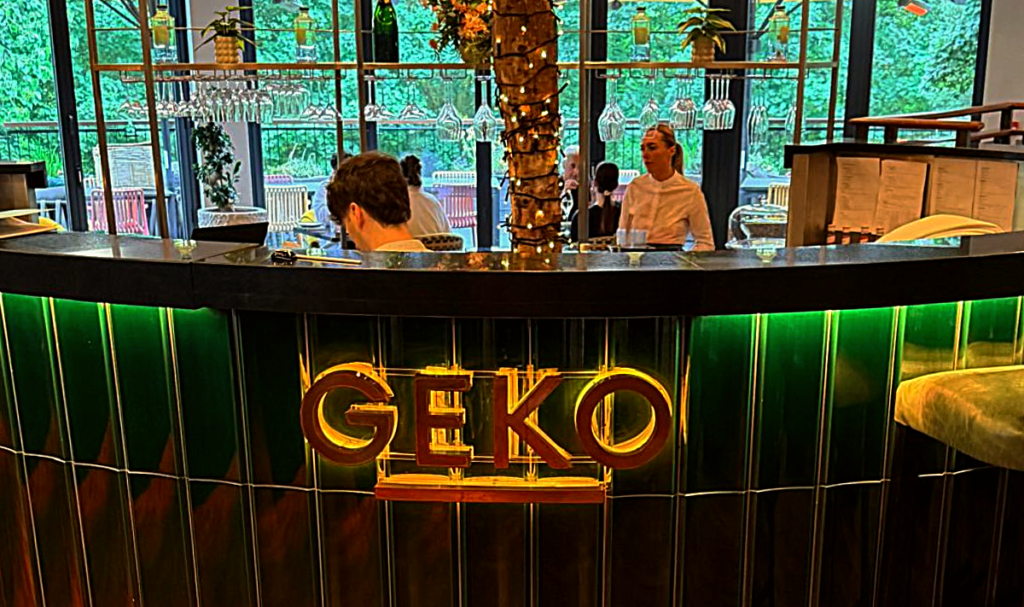
Geko offers something very different. Located within Serenity Spa, the Japanese-inspired restaurant has a more relaxed style, with small plates and dishes including ramen, donburi and kushiyaki designed to sit naturally alongside the wider wellness experience.

Harvey’s Bar adds another dimension, providing a more informal space for food, drinks and relaxed hospitality. Each area has its own personality, but they all sit within the same wider guest journey.

That is exactly why understanding an operation properly matters in hospitality executive search. Senior leaders are rarely responsible for one isolated part of a hotel. Their decisions influence teams, standards and experiences across the wider business.


Wellness At The Heart Of Seaham Hall

Seaham Hall is also home to the award winning Serenity Spa. Wellness forms a major part of the resort experience, with extensive spa facilities, treatments, memberships and dedicated experiences.

Its approach takes inspiration from Far Eastern wellbeing traditions while connecting naturally with the calm of its coastal surroundings. For an Executive Search partner, seeing an area like Serenity Spa adds another layer of understanding.

A luxury hotel is not simply bedrooms, restaurants and facilities operating separately. It is one connected experience. Leadership decisions affect how departments communicate, how teams work together, how standards are maintained and ultimately how the guest experiences the property.

Understanding that wider picture becomes especially important when searching for senior hospitality leaders.


Building The Partnership Before The Search

Chris’s meeting with Carlo was not about immediately turning a conversation into a recruitment brief.

It was about creating the foundations for a relationship.

The strongest hospitality executive search happens when the search partner understands the business well enough to represent it accurately.

That starts with listening.

  • What matters most to the General Manager?
  • How does the team operate?
  • What standards define the property?
  • What leadership style suits the culture?
  • What does the business want to protect?
  • Where does it want to develop next?

These are the conversations that make future Executive Search work more meaningful.

If a senior appointment becomes necessary, we are not starting from a blank page.

We already have context. We can speak about the property with greater understanding, communicate the opportunity more credibly and think more carefully about the kind of leader who could genuinely fit the business.


Why Face-to-Face Executive Search Matters

At Ginger Executive Search, we talk a lot about leadership alignment and finding the right person rather than simply the most obvious CV.

Doing that properly requires understanding both sides.

We invest time in getting to know the hospitality professionals we speak with, but the same principle has to apply to our partnerships.

Visiting Seaham Hall gave Chris the opportunity to experience the environment Carlo and his team are creating and begin developing that understanding from the very start.

This becomes particularly important in Executive Search because many of the senior people we approach are not actively applying for another role.

They need more than a job title and salary. They want to understand the business.

The culture. The ambition. The leadership team. The guest experience.

The reason the opportunity might be worth a conversation.

We can only communicate those things properly when we understand them ourselves.


Executive Search Built Around People

Senior hospitality appointments have a significant impact on a business.

They influence culture, standards, commercial performance, team development and guest experience.

That is why the search cannot simply be about ticking off experience against a list of responsibilities.

It is also about the person behind that experience.

How do they lead? How do they communicate? What motivates them? What kind of environment suits them? How will their leadership style work alongside the existing team?

The better we understand a venue, the better equipped we are to ask those questions properly.

That is where the value of a genuine partnership begins.


The Start Of The Seaham Hall Partnership

Thank you to Carlo and the Seaham Hall team for taking the time to welcome Chris and share more about the property.

There is a great deal that makes Seaham Hall distinctive, from its coastal setting and Serenity Spa to its varied dining experiences and the people delivering them.

For us, though, the most exciting part is what comes next.

This visit was about beginning the relationship properly.

Learning. Listening. Understanding.

And creating a foundation that can support Seaham Hall whenever a future leadership need arises.

Because the better we understand a partnership today, the better equipped we are to support its leadership tomorrow.

If you would like to have a conversation with Chris about your leadership team, future plans or the senior hospitality market, speak to the Ginger Executive Search team.


Executive Search Division

Why Long Term Partnerships Matter in Hospitality

The strongest hospitality executive search partnerships are built much earlier, through ongoing conversations, time spent understanding the business and relationships that continue whether there is an immediate recruitment need or not.

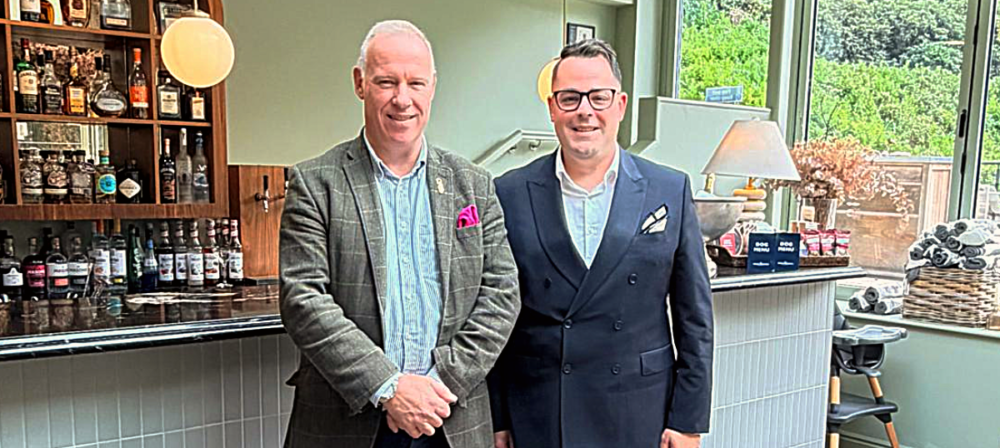
That was very much the focus when our Executive Search Manager, Chris, recently visited Saltmoore in Whitby and caught up with General Manager Brian Van Oosten.

Chris and Brian have known each other for some time, so the visit was about much more than recruitment.

It was an opportunity to strengthen an existing relationship, spend time in the property and understand how Saltmoore continues to evolve. That kind of knowledge matters.

When the time eventually comes to make an important senior appointment, we want to understand much more than the job description. We want to understand the business behind it.


Understanding Saltmoore First Hand

Formerly Raithwaite Sandsend, Saltmoore has been completely reimagined as a wellness led retreat between the North Sea and the North York Moors.

Today, the property has 72 bedrooms and suites across Saltmoore House and The Beach House, alongside a distinctive food, drink and wellness offering.

Saltmoore was awarded Two Michelin Keys in the 2025 hotel selection, while The Brasserie at Saltmoore is Michelin Guide recommended.

At the heart of its wellness offering is The Sanctuary at Saltmoore.

The spa includes an indoor pool overlooking the landscaped grounds, a spa pool, treatment spaces, Wellness Café and lakeside sauna. It has also been awarded 5 Bubbles by The Good Spa Guide.

For Chris, the spa was one of the standout elements of the visit and one of the best he has experienced.

But understanding a luxury hospitality business properly means looking beyond individual facilities.

It means seeing how everything connects.

The guest journey. The food and drink. The wellness experience. The leadership team. The people delivering the service. The atmosphere. The standards. The ambitions for what comes next.

You learn far more by spending time in a venue than you ever could from a website or a role profile alone.


Why Long Term Hospitality Partnerships Matter

Chris already having an established relationship with Brian is important. At Ginger Executive Search, partnership means staying connected when a business is recruiting and when it is not.

Senior hospitality recruitment is rarely at its strongest when the first conversation happens after somebody has resigned. By maintaining the relationship, we continue learning about the venue as it develops.

We understand changes within the team. We gain a clearer picture of where the business is heading. We learn what standards matter to the people leading it and how the culture feels in practice. When a senior appointment eventually becomes necessary, that existing understanding gives the search a much stronger starting point.

We can approach the market with context. We can speak credibly about the property.
Most importantly, we can look beyond previous job titles and experience on paper to consider whether someone’s leadership style, personality and ambitions genuinely align with the business.


People At The Heart Of Executive Search

Saltmoore describes its people as central to the guest experience, combining expertise with a strong connection to the local area and Yorkshire hospitality. That people focused approach is one of the reasons understanding the team itself is so valuable. Executive Search is not simply about identifying someone who can complete a list of responsibilities.

For senior hospitality appointments, cultural alignment matters.

  • How does someone lead?
  • How do they communicate with their team?
  • What kind of environment allows them to perform at their best?
  • How do they approach guest experience?
  • Will their leadership style complement the people already within the business?

These are difficult questions to answer if the relationship with a venue begins and ends with a vacancy.

They become much easier when time has already been invested in understanding the people, the operation and the culture.


Why Venue Visits Strengthen Executive Search

Venue visits are an important part of how Chris approaches hospitality executive search.

There are things you simply cannot understand from a written brief.

You can see how the different areas of a property connect. You can experience the atmosphere guests experience. You can understand the level of detail behind the operation and speak directly with the people shaping its future.

For a luxury property like Saltmoore, where accommodation, food, drink and wellness all form part of one wider guest experience, that context is particularly important.

A senior appointment will rarely influence just one department. The strongest hospitality leaders understand how their decisions affect the wider business, the team and ultimately the guest.

That is why knowing the operation first-hand makes such a difference when the time comes to search.


Hospitality Executive Search Built Around Partnership

Chris’s time with Brian and the team at Saltmoore is a good example of the kind of relationship we want Ginger Executive Search to build across luxury hospitality. Present when there is a search to deliver. Connected when there is not.

Always learning more about the people and businesses we represent. Because the real value of a long term partnership often becomes clear before a vacancy even exists.

When an important senior appointment eventually needs to be made, there is already trust, knowledge and context behind the conversation. We understand the standards. We understand the culture. We understand the direction of the business. And that gives us a much stronger foundation for finding someone who can genuinely become part of its future.

That is what hospitality executive search should be built around.

If you would like to have a conversation with Chris about your leadership team, future plans or simply what the market is looking like, get in touch with Ginger Executive Search.


Executive Search Division