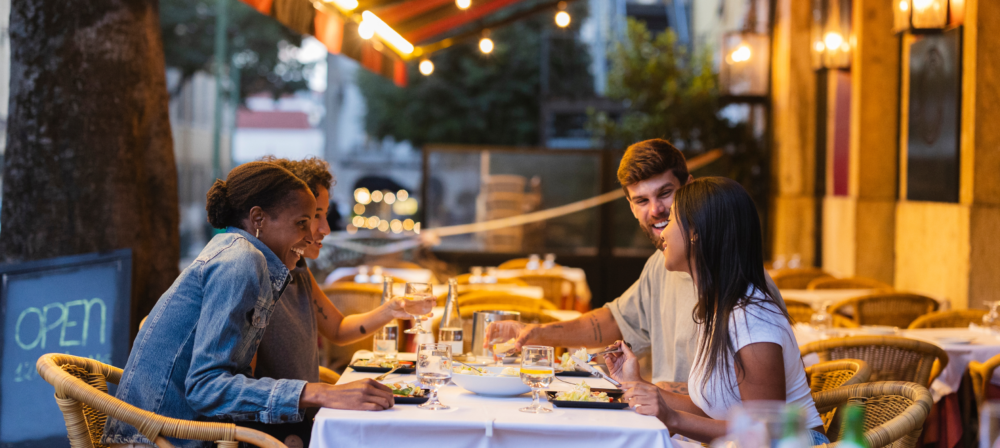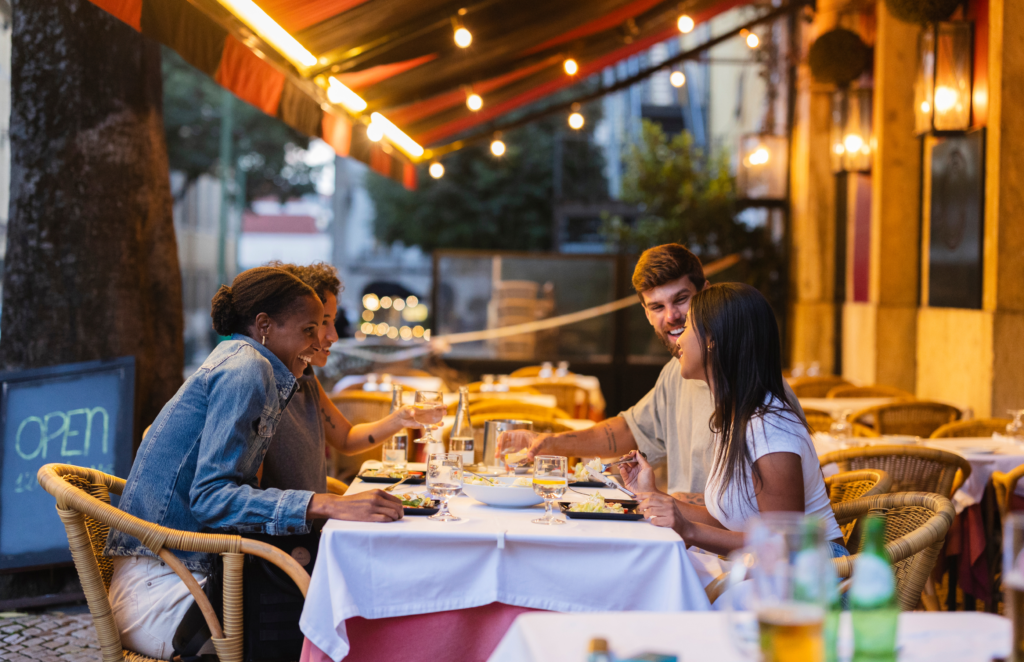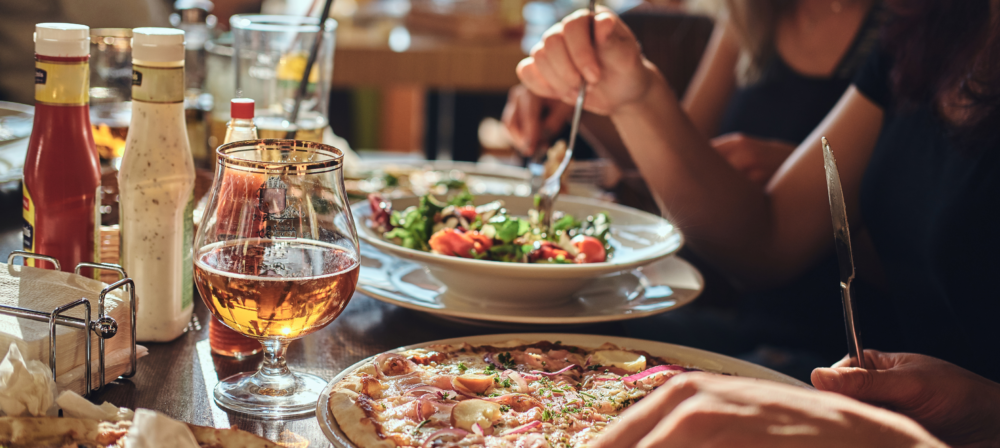
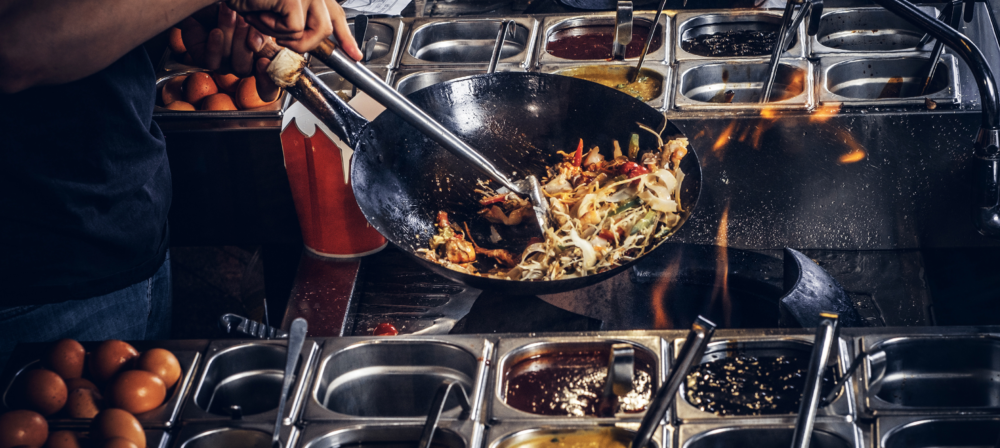
Hospitality team support during a busy peak season service

Why Hospitality Teams Need Support, Not Just Stamina, in Peak Season

Hospitality has always been an industry where people push through.

Teams rally. Managers step in. Chefs stay late. Front of House keeps smiling. Bar teams keep the drinks moving. Housekeeping keeps turning rooms around. Everyone digs deep because that is what busy service asks of them.

But peak season cannot rely on stamina alone.

By the middle of summer, the pressure is not just one busy shift. It is repeated weekends, annual leave, outdoor trade, events, late finishes, early starts and teams trying to keep standards high while demand keeps coming.

That is why hospitality team support matters so much in peak season.

Strong teams do not need to be told to work harder. They need the right structure, cover and breathing room around them so they can keep doing the job well.


The Push Through Culture

There is a familiar habit in hospitality of treating peak season like a test of toughness.

If a team gets through the shift, the assumption can be that everything is fine. If people say they are tired, it is often brushed off as part of the job. If someone covers extra hours, it can become the new normal rather than a warning sign.

Most people in hospitality understand that busy periods come with pressure. They are not expecting an easy ride.

But there is a difference between a demanding season and a team being asked to carry too much for too long.

Peak season should be planned around people, not simply pushed onto them.
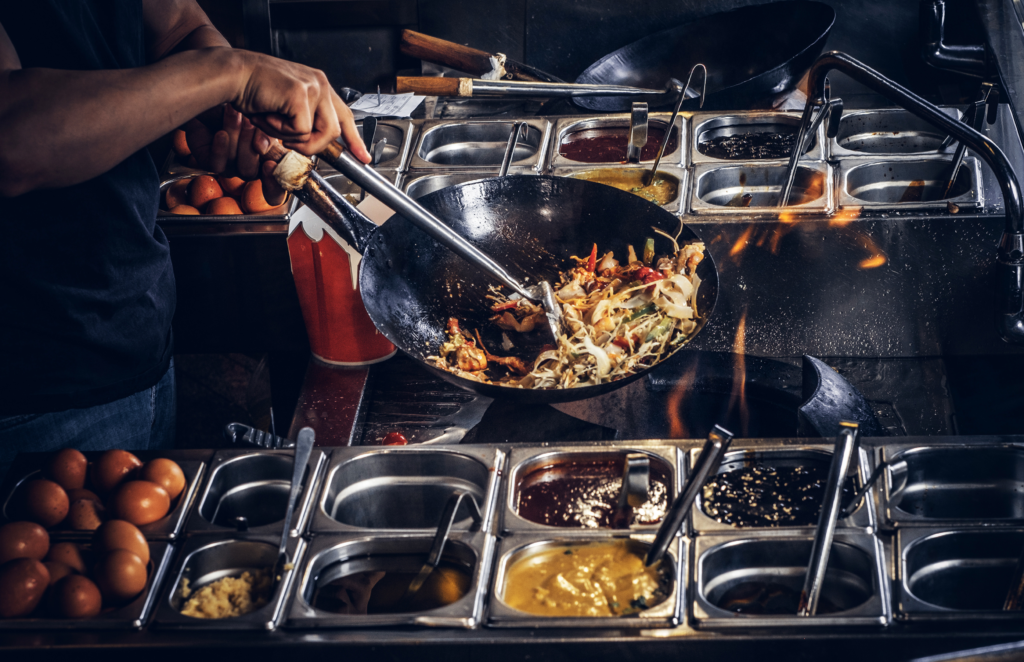
 

Hospitality team support during a busy peak season service


What the Workload Data Shows

The data shows why this conversation matters.

Hospitality Action’s Taking the Temperature 2025 report found that under resourcing and understaffing was a concern for 57% of hospitality workers. High expectations and excessive workloads were reported by 52%, while work life balance concerns were reported by 50%.

The same report found that 47% of workers saw burnout as part of the job.

That is an important warning sign for the industry.

Burnout should never be accepted as the natural price of a busy summer. Hospitality will always have pressure, pace and long services, but that does not mean teams should be left to absorb every gap and every peak without support.


Wellbeing Affects Performance

Team wellbeing and service performance are closely linked.

The Hospitality People Survey 2026 found that 36% of hospitality workers said work negatively affects their mental health, while 39% said it negatively affects their physical health. Work life balance was down to 53%, and happiness in role was down to 54%.

These figures are not separate from the guest experience. They sit right underneath it.

A tired team has less capacity for patience, pace and detail. A stretched manager has less space to lead. A kitchen under constant pressure has less room for control. A Front of House team covering too much can find it harder to keep service warm and consistent.

This does not happen because people stop caring. It happens because people are human.

Hospitality team support protects both people and performance.


Staffing Pressure Still Shapes the Season

The wider staffing picture adds to the challenge.

The UKHospitality workforce campaign reported 132,000 vacancies in hospitality, with vacancies 48% above pre pandemic levels.

That means many venues are already operating in a labour market where finding enough people can be difficult. When peak summer demand arrives, the pressure becomes sharper.

A rota may be just about manageable during a quieter week. The same rota can feel exposed when outdoor trade increases, events land, annual leave overlaps and guest expectations stay high.

This is why support cannot be treated as an afterthought. If staffing pressure is part of the operating reality, then team support needs to be part of the plan.


Strong Demand Needs Strong Teams

Summer remains an important trading period for hospitality.

The OakNorth summer 2025 sector pulse, reported in The Morning Advertiser, highlighted that summer was expected to boost sales, particularly for outdoor beer gardens, lighter menu options, local events, live music and sport.

CGA tracker coverage in The Morning Advertiser also showed managed pub groups performing strongly, with sales up 9.1% in April 2025 and 1.2% in June 2025. Pubs were the strongest major hospitality segment in both periods.

That demand is encouraging. It creates opportunity for pubs, restaurants, hotels and venues across the UK.

But opportunity still needs people behind it.

A busy beer garden needs enough Front of House and bar support. A strong Sunday service needs kitchen capacity. A hotel with late summer stays needs the right team across rooms, food and drink. Event led trade needs planning and people who can keep service moving.

Demand is only valuable if the team has enough support to deliver it properly.


Stamina Is Not a Strategy

Stamina matters in hospitality. It always has.

But stamina alone is not a staffing strategy.

Asking the same people to keep pushing through can work for a short period, but it is not sustainable across a full peak season. Eventually, the impact shows in morale, communication, absence, turnover, service consistency or management strain.

A team cannot run on goodwill forever.

The strongest operators understand this. They do not wait until people are completely worn down before acting. They look at pressure points, listen to their team and put support in place before the rota becomes too fragile.

That is not soft leadership. It is practical leadership.


Support Is Part of Strong Leadership

Good hospitality leadership is not about removing pressure completely. That is not realistic.

It is about recognising where the pressure is landing and making sure the team has what it needs to handle it well.

That might mean extra cover for peak services. It might mean protecting breaks more carefully. It might mean giving managers more space to lead instead of constantly jumping into gaps. It might mean strengthening the team during known events, summer weekends or annual leave periods.

Support can also mean clearer communication.

When teams know the plan, understand where help is coming from and feel that pressure has been noticed, they often feel more settled. Even in a busy service, that makes a difference.


What Support Looks Like in Real Venues

Hospitality team support looks different depending on the venue.

In a pub, it may mean extra bar and Front of House support when the garden is full, live sport is on or local events bring more people through the door.

In a restaurant, it may mean kitchen cover to protect prep, pace and consistency during a run of full services.

In a hotel, it may mean wider support across breakfast, housekeeping, food and drink, events or evening service.

In every case, the principle is the same. Support should reduce the load on the core team, not create more work for them.

It should help the shift feel steadier, give managers more control and protect the standards guests expect.


Teams Need to Feel Supported

The Hospitality People Survey 2026 found that 72% of workers said working with great people is the most important factor in retention.

That says a lot about hospitality.

People stay when they feel part of a strong team. They stay when they feel respected. They stay when they feel supported by the people around them.

Peak season can either strengthen that feeling or damage it.

When a team feels abandoned to carry too much, frustration builds. When they feel supported, even busy services become more manageable.

That is why support matters so much. It is not just about operational cover. It is about protecting the team culture that keeps people in the industry.


Peak Season Needs a Team Plan

Peak season should not be built on the hope that everyone can keep going.

It needs a team plan.

That means knowing where demand is likely to build, where the rota is most vulnerable, who is carrying the most pressure and where extra support would make the biggest difference.

It also means being honest about the fact that strong teams still need help.

The best teams are not the ones that never feel pressure. They are the ones that have enough structure around them to manage it well.


Support Makes Summer More Sustainable

Hospitality teams are strong. They are skilled, resilient and used to working at pace.

But peak season should not be a test of how much they can absorb before something gives.

Teams need support, not just stamina.

They need leaders who notice the pressure, practical cover that protects the rota, and enough breathing room to keep service consistent through the busiest weeks.

If your team needs help carrying peak season more sustainably, Ginger is here to talk through practical support that fits the way your venue works.
 
01200 890 890

Relief hospitality staff supporting a busy summer service

How Relief Staff Help Hospitality Venues Stay Responsive Under Pressure

Peak summer rarely runs in a straight line.

A rota can look steady at the start of the week, then shift quickly because of weather, bookings, staff absence, events, outdoor trade or a stronger than expected weekend.

That is why responsiveness matters so much in hospitality.

During July and August, venues need to be able to adapt without putting every change onto the same permanent team. Relief hospitality staff in the UK can help create that flexibility, giving pubs, restaurants, hotels and event venues the support they need when demand moves quickly.

It is not just about covering a gap. It is about helping the whole operation stay steady under pressure.


Relief hospitality staff supporting a busy summer service


Summer Pressure Can Shift Fast

Hospitality operators know how quickly summer demand can change.

A warm weekend can fill a pub garden. A local event can increase footfall. Live sport can put extra pressure on the bar. A short stay guest may decide to dine in. A late booking can change the kitchen’s prep needs. One absence can stretch a rota that was already tight.

The OakNorth summer 2025 sector pulse, reported in The Morning Advertiser, highlighted that summer was expected to boost sales, especially for outdoor beer gardens, lighter menu options, local events, live music and sport.

CGA tracker coverage in The Morning Advertiser also showed managed pub groups performing strongly, with sales up 9.1% in April 2025 and 1.2% in June 2025. Pubs were the strongest major hospitality segment in both periods.

That kind of demand creates opportunity, but it also needs capacity behind it.


Domestic Travel Adds to Demand

Relief hospitality staff can also help venues respond to demand linked to domestic travel and late summer breaks.

VisitEngland reported that 11.2 million Brits were definitely planning an overnight UK trip for the August Bank Holiday in 2025, with an estimated £4.1 billion boost to the economy.

For hospitality venues, that means food, drink, accommodation and guest experience all become part of a wider seasonal opportunity.

Pubs, hotels, restaurants and venues in areas connected to tourism, events, countryside breaks or coastal trips may feel the impact through stronger daytime trade, fuller weekends, more walk ins and extra pressure around peak services.

The challenge is being able to respond without stretching the team too far.


What Relief Support Does in Practice

Relief support works best when it is matched to the pressure point.

In a kitchen, relief chefs can help protect prep, service flow, quality and pace during busy services. They can support Head Chefs, strengthen smaller teams and help prevent one absence from affecting the whole shift.

On the floor, Front of House relief support can help manage guest flow, table turns, outdoor areas, events and busy sittings.

Behind the bar, relief support can help keep drinks service moving during sport, sunny days, live music or high volume periods.

In hotels, support may be needed across breakfast, housekeeping, food and drink, events, or evening service, especially when short stays and weekend arrivals increase pressure.

The value is practical. Relief staff help venues respond to what is happening in real time.


Protecting the Permanent Team

Responsiveness should not mean asking the same team to stretch every time something changes.

Hospitality Action’s Taking the Temperature 2025 report found that under resourcing and understaffing was a concern for 57% of hospitality workers. High expectations and excessive workloads were reported by 52%, while work life balance concerns were reported by 50%.

The Hospitality People Survey 2026 also found that 36% of hospitality workers said work negatively affects their mental health, while 39% said it negatively affects their physical health.

These figures matter because summer flexibility often depends on people. If a venue can only respond to demand by asking the same team to cover more hours, work longer shifts or absorb every gap, pressure builds quickly.

Relief hospitality staff help create options.

They give permanent teams more support, managers more control, and venues more room to respond without relying on the same people every time.


Staffing Supply Is Still Tight

The wider staffing picture makes planning even more important.

The UKHospitality workforce campaign reported 132,000 vacancies in hospitality, with vacancies sitting 48% above pre pandemic levels.

UKHospitality and REC data from July 2025 also showed temporary hospitality job postings down 25% year on year, with 22,369 fewer postings than the same period in 2024.

That means relief support cannot always be treated as something venues can secure at the very last moment.

The more operators understand their pressure points, the easier it becomes to plan support where it will make the biggest difference. That might be weekends, Bank Holiday trade, known staff holidays, weddings, events, or periods where demand is harder to predict.


Responsiveness Needs Reliability

Being responsive is not only about moving quickly.

It is about moving quickly with the right support.

During peak summer, unreliable cover can create more pressure than it solves. Teams need people who understand the pace of hospitality, respect the venue’s standards, communicate clearly and support the existing team rather than adding more work.

That is why responsiveness and reliability go together.

A venue under pressure needs support that can adapt, but it also needs support that feels dependable.

Relief staff should help steady the shift, not disrupt it.


Helping Venues Stay Agile

Summer hospitality rewards venues that can adapt.

That might mean responding to weather changes, extending service capacity, supporting outdoor trade, strengthening the kitchen for a full weekend, or covering annual leave without weakening the team.

Relief support gives operators more flexibility in how they manage that pressure.

It means a venue does not have to choose between saying yes to demand and overloading the permanent team. It can build support around the moments that matter most.

This helps protect both commercial opportunity and team wellbeing.


Support That Matches the Season

The busiest weeks of summer are rarely simple.

Demand rises, guest behaviour changes, teams take holiday, and pressure can move quickly from one part of the venue to another.

Relief hospitality staff in the UK help venues stay responsive by giving them practical, flexible support when the season demands more.

Used well, relief support protects the permanent team, strengthens service flow, and helps venues adapt without losing control of the shift.

If your venue needs more flexibility and responsiveness through the season, Ginger is here to talk through the support that would make the biggest difference.

01200 890 890
What Hospitality Operators Need Most During the Busiest Stretch of Summer

The busiest stretch of summer is not just about full tables, busy bars and stronger trade.

For hospitality operators, summer brings a mix of opportunity and pressure. Demand is higher, guest expectations are sharper, teams are working harder, costs are still rising, and every service needs to hold together.

This is the point in the season where operators need less noise and more clarity.

They need visibility on demand. They need rotas that can stand up to pressure. They need service standards that stay consistent. Most importantly, they need teams who feel supported enough to keep going well.


Summer Demand Still Matters

Summer remains one of the most commercially important periods for hospitality.

The OakNorth summer 2025 sector pulse, reported in The Morning Advertiser, highlighted that summer was expected to boost sales, particularly for outdoor beer gardens, lighter menu options, local events, live music and sport.

VisitEngland also reported that 11.2 million Brits were definitely planning an overnight UK trip for the August Bank Holiday in 2025, with an estimated £4.1 billion boost to the economy.

That kind of demand creates real opportunity for pubs, restaurants, hotels, event venues and hospitality businesses connected to tourism, local attractions and outdoor trade.

VisitBritain domestic sentiment tracking for 2025 to 2026 also shows that for July to September trips, trying local food and drink is one of the top planned activities.

For operators, this reinforces a clear point. Food, drink and hospitality experiences are central to the way people spend summer in the UK.


Hospitality operator managing a busy summer service with team support


Demand Is Strong, But Selective

The challenge is that demand is not simple.

SevenRooms UK Restaurant Trends 2025 reported that 44% of Brits said the amount they dine out had increased over the previous 12 months.

ResDiary’s UK and Ireland Hospitality Trends Report 2025 also found that 31% of diners planned to dine out more in 2025. At the same time, 31% of operators were worried about fewer customers dining at their venue, while 84% anticipated higher operating costs.

That balance matters.

Guests are still going out, but they are choosing carefully. They want value, atmosphere, consistency and an experience that feels worth the spend.

Operators are trying to meet that demand while managing higher costs and tighter margins. That makes summer performance about more than volume. It is about delivering well when the pressure is highest.


Clear Staffing Is Essential

During the busiest stretch of summer, staffing clarity becomes one of the most important things an operator can have.

It is not enough to know that the rota is technically filled. Operators need to know whether the right experience is in the right place, whether key services have enough support, and whether the same team members are being asked to stretch too often.

A busy weekend can quickly expose weak points.

A kitchen may be covered on paper but short on senior support. A bar may have enough people for a normal Friday but not for a sunny evening with live sport. A hotel may have breakfast covered but then feel pressure around housekeeping, check ins and evening service.

Clear staffing gives operators the confidence to manage the day, not just hope the rota holds.


Service Standards Need Protection

Guest experience is tested most when venues are busiest.

When teams are stretched, guests notice the small things first. Slower drinks. Less confident communication. Longer waits. Fewer check backs. A rushed atmosphere. Food that is still good but service that feels under pressure.

These details matter because summer guests often have a lot of choice.

If people are spending more selectively, venues need to protect the moments that make the experience feel worthwhile.

That means service standards cannot be left to chance. They need planning, communication and enough support behind the team to keep delivery steady.


Team Wellbeing Cannot Be Ignored

The busiest stretch of summer can ask a lot from hospitality teams.

Hospitality Action’s Taking the Temperature 2025 report found that under resourcing and understaffing was a concern for 57% of hospitality workers. High expectations and excessive workloads were reported by 52%, while work life balance concerns were reported by 50%.

These are not abstract figures. They reflect the reality of teams working through repeated busy services, shorter recovery time, annual leave gaps and constant guest facing pressure.

For operators, team wellbeing is not separate from performance. It directly affects service, morale, communication and retention.

A team that feels supported is more likely to stay steady. A team that feels overloaded for too long will eventually show signs of strain.


Operators Need Visibility

One of the most useful things during peak summer is visibility.

Operators need to know where pressure is building before it becomes a problem. That means looking at bookings, weather, events, staff holidays, previous service patterns and the departments carrying the heaviest load.

Visibility helps leaders make better decisions.

It shows where extra support would have the biggest impact. It highlights where a rota looks too thin. It helps managers protect breaks, balance shifts and avoid leaning on the same people every weekend.

In summer, small pressures can grow quickly. Visibility gives operators more time to respond.


Flexibility Helps Venues Respond

Summer demand can shift quickly.

A sunny weekend can change the shape of trade. A local event can fill a venue earlier than expected. A late booking can stretch the kitchen. A staff absence can turn a manageable service into a difficult one.

That is why flexibility matters.

Operators need teams, systems and support that can adapt without causing more disruption. This might mean flexible service plans, clearer handovers, adjusted menus, extra support across known busy services, or a stronger plan for holiday cover.

The aim is not to control everything. Hospitality does not work like that.

The aim is to build enough flexibility into the operation so the team can respond without constantly firefighting.


Support Should Be Practical

At this point in the season, support needs to be useful.

Operators do not need vague advice. They need practical help that fits the reality of their venue.

That might mean strengthening the kitchen during the hardest services. It might mean extra Front of House support when outdoor trade is high. It might mean bar support during events, housekeeping cover during short stays, or relief help around team holidays.

The important part is that support matches the pressure.

Good support should make the shift feel steadier, not more complicated. It should help the permanent team focus on service, give managers more room to lead, and protect the standards guests expect.


What Operators Need Most

During the busiest stretch of summer, hospitality operators need five things most.

  • They need dependable staffing, because uncertainty puts pressure on everyone.
  • They need consistent service, because guests notice when teams are stretched.
  • They need visibility on demand, because summer changes quickly.
  • They need flexibility, because not every busy day looks the same.
  • They need team support, because people cannot carry peak pressure alone forever.

When those pieces are in place, summer becomes more manageable. Not easy, because hospitality rarely is, but steadier, clearer and more sustainable for the team.


Carrying Summer More Steadily

The busiest stretch of summer is a test of the whole operation.

Demand is active. Guests are still choosing food and drink experiences. Bank Holiday travel creates opportunity. Operators are balancing stronger trade with higher costs and team pressure.

The venues that handle this period best are the ones that protect both service and people.

If your team needs dependable support through the busiest stretch of summer, Ginger is here to help you carry it more steadily.

01200 890 890

The Hidden Cost of the Hire You Didn’t Make

The hidden cost of understaffing in hospitality by Nicolas Fischer

Nicolas Fischer, Michelin-trained chef and founder of Beyond the Pass, on what understaffing really costs a hospitality business, beyond the obvious short-term pressure.


Most operators think of understaffing as a problem they’re managing. A gap in the rota, a busy section covered by one fewer pair of hands, a tough few weeks until the right person turns up. Uncomfortable, but survivable.
The trouble is that the real cost of understaffing almost never shows up where operators are looking for it. It hides in the numbers nobody reconciles, and by the time it’s visible in the P&L, it has usually been costing money for months. Here are the five questions I get asked most, answered honestly from the numbers side.


When operators think about understaffing, what costs do they notice first, and what do they overlook?

The cost they notice first is always the obvious one: the pressure. Longer hours for the existing team, a stressed kitchen, a section stretched thin on a busy night. It’s visible, it’s immediate, and it feels like the whole problem.
The cost they overlook is everything downstream of that pressure, and it’s far larger. When a kitchen runs short, prep gets rushed or skipped, which quietly pushes food cost up through waste and inconsistency. Ticket times stretch, which slows table turns, which costs covers you never see because they simply didn’t get served. Standards slip in small ways that don’t trigger complaints but do erode the repeat custom that actually drives profit.
None of that appears on a rota. All of it costs money.
The obvious cost is the one you feel. The expensive cost is the one you don’t.


What are the first signs a labour gap is already hurting profitability, even while the business seems to be coping?

The business “coping” is exactly what disguises it. A good team will absorb a gap through sheer effort, which makes the problem invisible right up until it isn’t.
The early signs are in the operational numbers, not the mood. Ticket times creeping up during normal service, not just at peak. Covers per available hour drifting down. Waste ticking up as rushed prep gets binned. An increase in small errors and remakes. And the clearest early warning of all: your best people starting to look tired, or starting to leave. When a kitchen is short, the strongest staff carry the most weight, and they are precisely the ones with the most options elsewhere. A resignation from a good chef is often the first time the true cost of a labour gap lands on the owner’s desk, and by then it’s expensive to fix.


How does running short on labour affect standards, consistency and team behaviour?

Consistency is the first casualty, and consistency is what customers actually pay for. A dish that’s brilliant on Tuesday and rushed on Saturday isn’t a brilliant dish, it’s an unreliable one, and unreliability is what stops people coming back.
Behaviourally, a short-staffed team shifts from doing things well to just getting things out. That’s not a criticism of the team, it’s survival under pressure. But the culture of “good enough to get by” is corrosive. It becomes the new normal, standards reset downward, and the pride that made the place good in the first place quietly drains away. The team stops building and starts coping, and a coping team is one bad week away from losing its best member and tipping into a spiral.


Why does trying to save money by avoiding cover or delaying a hire often cost more in the long run?

Because the saving is visible and the cost is hidden, so the maths looks better than it is.
Delaying a hire saves a wage you can see on the payroll. What it costs is spread across lines you don’t attribute to it: the covers lost to slow service, the waste from rushed prep, the repeat customers who quietly drift away, and eventually the recruitment and training cost of replacing the good staff who burned out and left. Replacing a chef who leaves through overwork can cost many thousands of pounds once you count recruitment, training, and the productivity dip while the new person learns the section, far more than the wage you saved by not hiring sooner.
The operator sees a saved wage. The business pays a larger, scattered bill it never traces back to the decision. That’s why understaffing is one of the most expensive false economies in hospitality.


What would you want operators to rethink about staffing costs when deciding whether to invest in cover or solve a gap faster?

I’d want them to stop thinking of labour purely as a cost to minimise and start thinking of it as the thing that protects every other number in the business.
The right question isn’t “what does this hire cost me?” It’s “what is the gap costing me right now, and how much of that am I not measuring?” When you actually add up the lost covers, the rising waste, the slipping consistency, and the risk to your best people, the cost of the gap is almost always higher than the cost of closing it. Cover and faster hiring aren’t expenses that eat your margin. They’re what protect the margin from leaking out everywhere else.
Understaffing feels like the careful choice, the responsible way to control costs in a hard market. Usually, it’s the opposite. The most expensive hire is the one you didn’t make.


Nicolas Fischer is a Michelin-trained chef who writes about the operational economics of hospitality, the kitchen, labour and margin numbers that decide whether a business actually makes money. He publishes Beyond the Pass, a newsletter helping independent operators find the profit hiding in their own numbers, at beyondthepass.org.


Hospitality team receiving consistent staffing support during August service

How Consistent Staffing Support Helps Hospitality Teams Stay Strong in August

August asks a lot from hospitality teams.

By this point in the season, July has already tested rotas, energy, service standards and team patience. The Bank Holiday is building, domestic travel is still active, holiday cover is still being managed, and many teams are carrying the tiredness of repeated busy weekends.

This is where consistent staffing support in hospitality becomes so valuable.

It is not only about finding help for one shift. It is about giving teams steadiness across a month where pressure can keep changing.

When support is consistent, managers spend less time reacting. Teams feel more secure. Service becomes easier to protect. Guests experience a venue that feels calm, capable and ready, even when the season is still demanding.


Why August Needs Steady Support

August is not the point where hospitality can afford to ease off too early.

VisitEngland reported that 11.2 million Brits were definitely planning an overnight UK trip for the August Bank Holiday in 2025, with an estimated £4.1 billion boost to the economy.

VisitBritain domestic sentiment tracking for 2025 to 2026 also shows that for July to September trips, trying local food and drink is one of the top planned activities.

For venues, that means food, drink, service and guest experience remain central to late summer trade.

The opportunity is still there, but so is the pressure. Guests are still travelling, booking, dining, drinking and looking for local experiences. Teams still need enough support to deliver those experiences well.


The Cost of Inconsistent Cover

Inconsistent cover can create more pressure than many people realise.

When support changes constantly, managers have to explain the same systems again and again. Teams spend time adjusting instead of focusing on service. Relief support may arrive too late to make a proper difference. Gaps may be filled on paper, but not always in a way that helps the shift feel smoother.

In August, that disruption can be especially difficult.

Permanent teams may already be tired. Managers may already be balancing holiday cover, late summer trade and Bank Holiday planning. If support is unreliable or constantly changing, it can add to the very pressure it is meant to reduce.

Consistent support gives everyone more confidence.

It allows teams to understand who is coming in, what they can do, and how they fit into the service. That makes the whole operation feel steadier.


Staffing Pressure Has Not Disappeared

The wider labour market remains part of the challenge.

The UKHospitality workforce campaign reported 132,000 vacancies in hospitality, with vacancies sitting 48% above pre-pandemic levels.

UKHospitality and REC data from July 2025 also showed temporary hospitality job postings down 25% year on year, with 22,369 fewer postings than the same period in 2024.

These figures matter because they show why last-minute support cannot always be assumed.

When the temporary labour market is tighter, the value of dependable, ongoing support increases. Operators need to know where pressure is likely to build and have conversations early enough to make support more realistic and more effective.


Hospitality team receiving consistent staffing support during August service


Protecting Team Morale Through August

Hospitality Action’s Taking the Temperature 2025 report found that under resourcing and understaffing was a concern for 57% of hospitality workers. High expectations and excessive workloads were reported by 52%, while work life balance concerns were reported by 50%.

The Hospitality People Survey 2026 found that 36% of hospitality workers said work negatively affects their mental health, while 39% said it negatively affects their physical health. Happiness in role was down to 54%, and work life balance was down to 53%.

By August, these pressures can feel sharper because teams have already been through the busiest part of the season.

Consistent staffing support helps reduce the feeling that the same people are always carrying every gap. It gives permanent teams more breathing room and helps managers avoid asking reliable staff to stretch again and again.

That is not just good for morale. It is good for service.


Consistency Helps Protect Standards

Guests notice when a venue feels stretched.

They notice slower service, less confident communication, longer waits and a team that feels rushed. They may not know the staffing challenge behind it, but they feel the outcome.

Consistent support helps protect standards because it supports the rhythm of service.

In a kitchen, that could mean having relief support across a run of busy weekends rather than waiting until the team is already behind. On the floor, it could mean bringing in people who understand the pace and guest expectations. In a hotel, it might mean steady support across breakfast, housekeeping, events or evening service.

The more familiar and reliable the support is, the easier it is for the team to work together.


Ongoing Support Reduces Constant Reaction

One of the biggest benefits of consistent staffing support in hospitality is that it reduces the need to constantly react.

August can shift quickly. Weather changes guest behaviour. Bank Holiday plans build. Local events affect footfall. Staff holidays overlap. Short breaks create pressure across accommodation, food and drink.

If every pressure point is dealt with only when it becomes urgent, managers spend the month firefighting.

Ongoing support gives venues more control.

It allows operators to plan around known busy periods, protect the most stretched departments and create a steadier rota for the people already working hard.


Trade Opportunity Still Needs Capacity

Summer conditions continue to create opportunity for hospitality venues.

The OakNorth summer 2025 sector pulse, reported in The Morning Advertiser, highlighted that summer was expected to boost sales, especially for outdoor beer gardens, lighter menu options, local events, live music and sport.

CGA tracker coverage in The Morning Advertiser also showed managed pub groups performing strongly, with sales up 9.1% in April 2025 and 1.2% in June 2025. Pubs were the strongest major hospitality segment in both periods.

Strong trade is positive, but it needs capacity behind it.

If teams are too stretched to deliver well, the opportunity becomes harder to fully capture. Consistent support helps venues say yes to demand without putting every extra booking, table, event or busy service onto the same team.


What Consistent Support Looks Like

Consistent support will look different for every venue.

For some, it may mean reliable kitchen cover across the busiest weekends in August. For others, it may mean Front of House support for outdoor areas, bar support around events, housekeeping cover during short stay demand, or flexible support around annual leave.

The important part is not that every venue uses support in the same way.

The important part is that support matches the pressure.

A good plan looks at where the team is already stretched, where demand is likely to build, and where extra people would make the biggest difference to service flow and team energy.


Keeping August Steady

August is a month where hospitality teams need steadiness.

The season is not over. Demand is still active. Domestic travel, food and drink experiences, Bank Holiday trade and late summer events all keep pressure on venues.

But by this stage, teams need more than encouragement to keep going. They need practical support, clear planning and enough capacity to deliver well.

Consistent staffing support helps reduce disruption, protect morale and keep service standards stronger through one of the most demanding parts of the season.

If steady support across August would help your team carry the busiest stretch with more confidence, Ginger is here to talk it through.

01200 890 890

Why August Brings a Different Kind of Hospitality Pressure

August can sometimes be mistaken for the point where summer starts to soften.

In reality, many hospitality venues know it brings a different kind of pressure.

July often carries the feeling of peak summer fully arriving. August is different because teams have already been through weeks of high demand, rotas are still affected by holidays, domestic travel remains active, and the Bank Holiday begins to build into one of the most important trading moments of late summer.

For pubs, restaurants, hotels and wider hospitality venues, August is not automatically easier. The pressure simply changes shape.


Busy hospitality venue managing August summer demand


Late Summer Demand Is Still Strong

August is still a major month for UK hospitality.

VisitEngland reported that 11.2 million Brits were definitely planning an overnight UK trip for the August Bank Holiday in 2025, with an estimated £4.1 billion boost to the economy.

That kind of domestic travel creates clear opportunity for hospitality venues, especially those in areas with tourism, outdoor space, local events or strong food and drink offers.

VisitBritain domestic sentiment tracking for 2025 to 2026 also shows that for July to September trips, trying local food and drink is one of the top planned activities.

This matters because food and drink are not just an add on to summer travel. They are part of the experience people are actively looking for.


August Has Its Own Rhythm

August demand does not always behave in the same way as July.

It can be more family led, more holiday led, and more influenced by short breaks, local attractions, warm weather and last minute plans.

Some venues see stronger daytime trade. Others see pressure around weekends, outdoor dining, events, weddings, and Bank Holiday plans. Hotels may feel the effect through short stays, breakfast service, check ins and evening dining.

For pubs, summer conditions can continue to support strong trade.

The OakNorth summer 2025 sector pulse, reported in The Morning Advertiser, highlighted that summer was expected to boost sales, particularly for outdoor beer gardens, lighter menu options, local events, live music and sport.

CGA tracker coverage in The Morning Advertiser also showed managed pub groups performing strongly, with sales up 9.1% in April 2025 and 1.2% in June 2025. Pubs were the strongest major hospitality segment in both periods.

That does not mean every venue will see the same pattern. It does mean the season remains commercially important well beyond July.


Family Trade and Holiday Cover Collide

One of the biggest August challenges is the overlap between customer holidays and staff holidays.

Guests are travelling, visiting family, taking short breaks and making the most of the final full month of summer. At the same time, hospitality teams are also managing their own annual leave.

That creates a difficult balance.

A venue may be busier because families are out, tourists are visiting, or the weather is pulling people into beer gardens and terraces. But the rota may also be thinner because team members are taking well earned time off.

This is where August hospitality pressure in the UK becomes more complex. It is not only about demand. It is about demand arriving when teams may already be stretched.


Teams May Already Be Carrying July

By August, many teams are not starting fresh.

They may have already worked through repeated busy weekends, outdoor trade, events, staff absence, longer shifts and less recovery time between services.

Hospitality Action’s Taking the Temperature 2025 report found that under resourcing and understaffing was a concern for 57% of hospitality workers. High expectations and excessive workloads were reported by 52%, while work life balance concerns were reported by 50%.

The Hospitality People Survey 2026 also found that 36% of hospitality workers said work negatively affects their mental health, while 39% said it negatively affects their physical health. Happiness in role was down to 54%, and work life balance was down to 53%.

These figures give useful context for August. The pressure of late summer is not only what happens in that month. It is also what the team is carrying into it.


Bank Holiday Builds the Pressure

The August Bank Holiday can be a brilliant trading opportunity.

It can also be one of the most demanding weekends of the season.

Short breaks, day trips, local events, family meals, pub visits and hotel stays can all create stronger demand. For many venues, it is not just one busy day. It is a run of services that need to be planned properly.

The challenge is making sure the team has enough structure and support to deliver consistently across the whole weekend.

That includes kitchen preparation, bar cover, Front of House flow, housekeeping, event teams, breakfast service and management presence. The exact pressure points will vary by venue, but the need for steadiness is shared.


What Operators Need Most in August

August is a month where operators need clear visibility.

That means understanding where demand is likely to build, where annual leave creates risk, and where the team may already be showing signs of fatigue.

Venues also need flexibility. Guest behaviour can move quickly in late summer, especially around weather, events and last minute travel decisions.

Most importantly, teams need enough support to keep service consistent.

This does not mean overloading the rota. It means identifying the services where pressure is most likely to land and making sure the right people are in place before the team is already stretched.


August Pressure Needs a Different Plan

Treating August as simply more of July can miss the point.

July is often about the height of peak summer. August is about sustaining performance when teams may already be tired, holidays are still affecting rotas, and late summer trade remains active.

That means operators need a plan that recognises both demand and fatigue.

A strong August plan looks at Bank Holiday preparation, holiday cover, outdoor trade, guest experience, team energy, and where extra support could prevent small gaps from becoming bigger problems.

It is about keeping the team steady through the final full month of summer.


Support Still Matters in August

August is not a softer month by default.

For many venues, it brings family trade, domestic travel, late summer events, Bank Holiday demand and teams that have already worked hard through July.

The opportunity is still there, but so is the pressure.

If August is already stretching your team, Ginger is here through the season to help you keep service steady, protect your people and carry the busiest weeks with more support.

01200 890 890

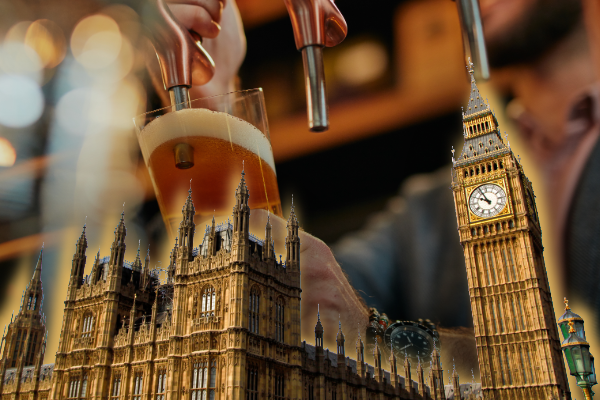
Pub exterior representing new business rates support for pubs and hospitality venues

What The New 20% Business Rates Cut Could Mean For Pubs And Hospitality

Prime Minister Andy Burnham has announced a new 20% reduction in business rates cut for pubs, social clubs and live music venues across England.

The support will begin in April 2027. It is not an immediate reduction and will not affect bills from July 2026.

According to the Government announcement published on 23 July 2026, the measure is expected to benefit nearly 32,000 pubs, clubs and live music venues. The Government estimates that the typical pub could save around £1,100 in the next financial year, although this is an average estimate rather than a guaranteed saving for every venue.

The package is expected to be worth around £100 million each year.

The announcement has been welcomed by some parts of the hospitality sector, particularly because business rates have been a long-standing pressure for pubs and night-time venues. But the response has not been simple.

Some operators have questioned whether the saving will be enough when set against wider cost increases. Hotels, restaurants and cafés are not included in the current announcement, which means large parts of hospitality are still waiting to see whether further support will follow.

The central question now is whether this marks the beginning of meaningful business rates reform for hospitality, or a welcome but limited first step.


When Will The 20% Business Rates Cut for Pubs Begin?

The new 20% business rates cut will begin in April 2027.

This timing matters.

For hospitality operators already dealing with rising costs, the announcement provides a future signal rather than immediate relief. The details around eligibility, including which businesses qualify and which large live music venues will be excluded, are expected to be set out at the Budget.

For eligible pubs, social clubs and smaller live music venues, the policy could bring additional certainty from 2027 onwards.

For venues outside the scope of the announcement, there is still no confirmed direct support under this measure.


Which Hospitality Businesses Are Included in the Business Rate Cut?

The Government announcement applies to England and covers three types of venue:

  • Pubs
  • Social clubs
  • Live music venues

The Government has positioned these businesses as important parts of local high streets and communities, describing them as places that bring people together, support local jobs and help keep town centres active.

Prime Minister Andy Burnham said:

“This government will back the businesses that people want to see in their communities.”

That community focus is central to the announcement. The Government says the support is designed to back venues that play an active role in local life and help encourage investment in high streets.

However, the new 20% discount will not be available to the very largest live music venues. Further eligibility information is expected at the Budget.


How Does The New Support Fit With Existing Relief?

This announcement does not sit on its own.

The official press release says the Government had already begun work to reform the business rates system before this new measure.

At Budget 2025, a permanent 5p reduction in business rates multipliers was announced for more than 750,000 retail, hospitality and leisure properties. That was funded through a higher multiplier for the most expensive 1% of properties.

The Government also announced £4.3 billion of support for businesses facing increases after changes to rateable values. This included caps on bill increases of 15% for most affected businesses, or £800 for the smallest affected businesses.

In January 2026, a 15% reduction on 2026 and 2027 bills was announced for pubs and live music venues. Bills were also expected to be frozen in real terms for a further two years.

The new 20% reduction from 2027 and 2028 comes on top of that existing support.

It is important not to treat these measures as one simple combined discount. The existing 15% relief, the new additional 20% reduction, the multiplier changes and the revaluation support are separate parts of the wider business rates picture.

For operators, the actual impact will depend on individual bills, property circumstances and final eligibility rules.


How Will The Business Rates Cut Be Funded?

The Government says the policy will be fully funded.

According to the official announcement, the support will be funded partly by reviewing tax reliefs given to businesses it says do not make a positive contribution to local communities, with vape shops given as an example.

The Government also says it will take action against businesses selling through online marketplaces that do not comply with their tax obligations.

It is also consulting on measures to make online marketplaces more responsible for preventing sellers from avoiding tax obligations.

The BBC coverage notes that some of the detail around funding remains unclear, and that further information is expected at the autumn Budget.

That distinction is important. The funding approach has been set out by the Government, but the practical detail is still to come.


How Has Hospitality Responded?

The response from hospitality has been mixed.

Trade bodies have broadly welcomed the announcement as a positive step, while also making clear that it does not go as far as many businesses had hoped.

Allen Simpson, Chief Executive of UKHospitality, described the announcement on BBC Breakfast as “a good start” and said it showed “a direction of travel.”

UKHospitality also said the measure goes further than the 15% discount announced in January.

The Night Time Industries Association also welcomed the announcement, with Chief Executive Michael Kill saying the policy showed broader recognition of the economic, cultural and social contribution of the night time economy.

The organisation said the reduction could provide meaningful support to businesses facing continued cost pressure and help improve confidence across the sector.

However, the Night Time Industries Association is still waiting for full details at the Budget, including greater clarity on eligibility and why the largest live music venues are being excluded.


Why Do Some Operators Say More Support Is Needed?

For many hospitality operators, the announcement is welcome in principle, but the question is whether it will be enough in practice.

The Government estimates that a typical pub could save around £1,100 in the next financial year. For some venues, that will be useful. For others, especially those with larger bills or recent increases, it may feel modest compared with overall cost pressure.

The BBC coverage included comments from Iain Hoskins, owner of Ma Pub Group, which operates five hospitality venues across Liverpool.

He said:

“Twenty per cent is not an insignificant figure.”

However, he also explained that after revaluation, the rates charge on his venues had increased by between 100% and 150%. He said his group now pays between £200,000 and £300,000 a year in business rates.

His venues operate as café bars, serving coffee during the day and alcohol later, and he said he wanted more clarity around how mixed-use hospitality businesses will be categorised.

That example shows why the detail matters. A 20% reduction can sound significant, while still sitting against much larger increases and substantial annual bills.

The BBC also included comments from Steve Perez, founder of Global Brands and owner of two hotels. He welcomed the announcement, but said it would not make a material difference to many pubs when set against other cost increases, including employer National Insurance.

Although hotels are not included in the current policy, he described the announcement as “a glimmer of hope that the government gets it” and said he would prefer to see a sector-wide reduction in VAT.

That wider call for VAT reform remains an important part of the hospitality conversation. The BBC reported that many businesses continue to call for VAT to move from 20% towards the European average of around 9%.

The business rates announcement does not address that request.


What About Hotels, Restaurants And Cafés?

Hotels, restaurants and cafés are not included in the current announcement.

This is one of the most important points for the wider hospitality sector.

The present measure is targeted at pubs, social clubs and live music venues in England. It does not currently provide direct support for hotels, restaurants or cafés.

Chief Secretary to the Treasury Emma Reynolds was questioned by the BBC about why those businesses had not been included. She said further reforms would be looked at before the Budget and acknowledged that other businesses are also facing pressure.

That leaves the wider hospitality sector waiting.

Further reform may be considered, but no additional relief for hotels, restaurants or cafés has yet been confirmed.

For operators outside the current announcement, the autumn Budget will now be an important moment to watch.


What Details Are Still Missing?

Several points still need clarification.

The exact eligibility criteria have not yet been published.

Mixed-use venues, such as café bars that operate differently throughout the day, need clarity on how they will be categorised.

The Government has said the very largest live music venues will not receive the new 20% discount, but details of which venues fall into that group are still expected at the Budget.

The funding measures also need more detail, particularly around the review of tax reliefs and the proposed action on online marketplace tax compliance.

The wider sector is also waiting to see whether hotels, restaurants and cafés will receive any further support.

Operators should therefore treat this as an important announcement, but not the final word on business rates reform.


What Could This Mean For Hospitality?

For eligible pubs, social clubs and smaller live music venues, the new 20% business rates reduction could offer useful relief and greater certainty from April 2027.

It recognises that these venues play an important role in local communities and that business rates have become a serious pressure for many operators.

For businesses facing very high rates bills or recent increases following revaluation, the benefit may be more limited.

For hotels, restaurants and cafés, the announcement does not currently provide direct support.

For the wider sector, the most important signal may be that the Government has acknowledged business rates pressure and intends to return to wider reform at the Budget.

That makes this a welcome development, but not a complete answer.


What Happens Next?

The autumn Budget is now the key point for further detail.

Hospitality operators will be looking for confirmation on eligibility, funding, treatment of mixed-use venues, exclusion of the largest live music venues and whether wider hospitality businesses will receive any support.

The 20% reduction is likely to be welcomed by eligible pubs, clubs and venues that have spent recent years dealing with rising bills and continued cost pressure.

However, with an estimated average saving of £1,100, significant questions around eligibility and much of hospitality still excluded, the announcement is better understood as a first step than a full solution.

The real impact will depend on the detail that follows.

Business rates reform may offer some longer-term relief, but hospitality teams are managing operational pressure now. If gaps in your rota are adding to the strain, talk to the Ginger team about reliable relief or permanent staffing support.

01200 890 890
How to Manage Holiday Cover Without Stretching the Whole Team

Summer annual leave should not feel like a problem.

Teams need time off, especially during a season that asks so much from them. Rest matters, and people should be able to take holiday without the rest of the team feeling like they are absorbing the impact every time someone is away.

In hospitality, that is easier said than done.

July and August often bring the hardest rota balance of the year. Demand is high, guests are out, events are running, outdoor spaces are busier, and team members quite rightly want time away.

That is why holiday cover in hospitality needs more than a quick rota reshuffle. It needs planning, visibility, and enough support to stop annual leave becoming team strain.


Why Holiday Cover Gets Harder in Summer

Holiday cover becomes more complex when leave overlaps with peak demand.

A quieter week in February might allow a venue to absorb one or two people being away. In summer, the same absence can have a much bigger effect.

A chef on annual leave can put pressure on prep, service and ordering. A Front of House lead being away can affect floor flow, guest communication and shift confidence. A bar team member missing during a run of warm weekends can change how quickly service moves.

The issue is not that people are taking leave. The issue is that the same small team is often asked to cover every gap while also delivering through one of the busiest trading periods of the year.


Hospitality rota planning for summer holiday cover


What Happens When Leave Overlaps with Demand

When holiday cover is not properly planned, pressure usually moves onto the most reliable people first.

The same team members pick up extra shifts. Managers step into sections instead of leading the wider service. Chefs stretch across prep and service. Front of House teams take on larger sections. Bar teams cover longer periods without enough recovery.

Hospitality Action’s Taking the Temperature 2025 report found that under resourcing and understaffing was a concern for 57% of hospitality workers. High expectations and excessive workloads were reported by 52%, and work life balance concerns were reported by 50%.

That is exactly why holiday cover matters.

It is not only a scheduling task. It affects service, morale, wellbeing and whether people feel supported during the busiest part of the season.


The Team Impact of Poor Cover

Poor holiday cover can look manageable on paper but feel very different in service.

A rota may technically have enough names on it, but if the wrong experience is missing at the wrong time, the team still feels stretched.

The Hospitality People Survey 2026 found that 36% of hospitality workers said work negatively affects their mental health, while 39% said it negatively affects their physical health. Work life balance was down to 53%, and happiness in role was down to 54%.

These figures are important because summer rotas are not just about filling hours. They are about protecting people.

When teams feel that every holiday request creates more pressure for everyone else, frustration can build. People may feel guilty taking leave, or resentful when they are repeatedly asked to cover.

A strong holiday cover plan helps avoid that.


Common Holiday Cover Mistakes

One common mistake is waiting until the rota is already stretched before looking for support.

Another is assuming the permanent team can absorb every gap because they have managed before.

Venues can also run into trouble when they only look at the number of people on shift, rather than the mix of skills and experience. One missing senior person can create more disruption than two missing junior team members, depending on the service.

It is also easy to underestimate how much repeated cover affects the team over time. One extra shift may not feel like much. Several across a busy summer can quickly become tiring.

Good holiday cover planning looks at both the rota and the people carrying it.


Plan Around Pressure Points

The most useful starting point is to identify where holiday cover will cause the biggest strain.

For some venues, that will be the kitchen. For others, it will be the bar, Front of House, housekeeping, breakfast service, events, or weekend close down.

Once those pressure points are clear, managers can plan support around the services where it will make the most difference.

That might mean arranging relief support for the busiest weekends. It might mean adding cover when a senior team member is away. It might mean reducing menu complexity during a week where the kitchen is short. It might mean giving managers more support so they are not constantly pulled into gaps.

The aim is to protect the whole operation, not just patch the rota.


Build Visibility into the Rota

Holiday cover works best when teams can see the plan early.

Clear rota visibility helps managers spot clashes before they become stressful. It also gives the team more confidence that leave has been considered properly and that cover is not being left to chance.

This does not mean every rota will be perfect. Hospitality changes quickly, especially in summer.

But visibility gives operators more room to respond. It helps identify where external support may be needed, where shifts need balancing, and where the same people are being asked to do too much.


Why External Support Can Help

The wider staffing market remains challenging.

The UKHospitality workforce campaign reported 132,000 vacancies in hospitality, with vacancies 48% above pre pandemic levels. UKHospitality and REC data from July 2025 also showed temporary hospitality job postings down 25% year on year, with 22,369 fewer postings than the same period in 2024.

That makes planning ahead even more important.

External support can help venues manage holiday cover without pushing every gap onto the permanent team. It gives operators more flexibility during known absence, especially across peak weekends, events and high demand services.

Used well, relief support is not just a reaction to someone being off. It becomes part of protecting the team while still allowing people to take the rest they need.


Protect Leave Without Losing Standards

Hospitality teams should be able to take holiday without service standards dropping or the rest of the team feeling overwhelmed.

That balance is possible, but it needs planning.

Operators can review leave patterns early, identify the hardest shifts, protect key roles, communicate clearly, and bring in support where the rota is at risk of becoming too tight.

When holiday cover is managed well, the whole team benefits.

People get the rest they need. Managers have fewer last minute problems to solve. Service feels steadier. Guests still get the experience they expect.


Holiday Cover Should Not Become Team Strain

Summer annual leave is part of running a hospitality business. It should not become a source of guilt, stress or extra pressure for the people left on shift.

The strongest holiday cover plans protect both the rota and the team.

If annual leave, short gaps or summer rota pressure are making the season harder to manage, Ginger is here to talk through practical support that helps keep your team steady.

01200 890 890

Mid Summer Burnout in Hospitality: The Signs Teams Need More Support

By late July, many hospitality teams have already carried weeks of busy services, staff holidays, outdoor trade, events and rising guest expectations.

The pressure does not always show up dramatically.

It can appear in smaller ways first. A team that feels quieter than usual. A service that loses its usual rhythm. More mistakes than normal. Shorter patience. Slower recovery between busy shifts.

These hospitality burnout signs are not a sign that people are not capable. They are often a sign that the team has been carrying too much for too long.

For operators and managers, spotting those signs early matters. Not because every tired shift means burnout, but because pressure is easier to support before it becomes harder to manage.


Why Late July Is a Pressure Point

Late July is a realistic point for team strain to appear.

The season is fully underway. Weekends have been busy for several weeks. Annual leave may be overlapping with high demand. Regular team members may have already covered extra shifts. Managers may be filling gaps while also trying to lead service.

At this stage of summer, the issue is rarely one difficult day. It is the cumulative effect of repeated pressure.

Hospitality Action’s Taking the Temperature 2025 report found that under-resourcing and understaffing were concerns for 57% of hospitality workers. High expectations and excessive workloads were reported by 52%, while work-life balance concerns were reported by 50%.

The same report also found that 47% of workers saw burnout as part of the job.

That last point is important. Burnout should not be treated as an unavoidable part of hospitality. Busy periods are expected, but teams still need the right support around them.


Hospitality team showing signs of summer fatigue during a busy service


What the Wellbeing Data Shows

The Hospitality People Survey 2026 gives further context around how work is affecting people in the sector.

It found that 36% of hospitality workers said work negatively affects their mental health, while 39% said it negatively affects their physical health. Work life balance was down to 53%, and happiness in role was down to 54%.

These figures do not mean every team member is struggling in the same way. They do show that workload, wellbeing and retention are closely connected.

When people are working through peak summer, their energy and resilience are not endless. If the same team is repeatedly asked to absorb gaps, extend shifts, work short staffed services and maintain the same standards, the pressure will start to show somewhere.


Signs Managers May Notice First

Hospitality burnout signs are often practical before they are obvious.

A usually steady team member may become more withdrawn. Communication may feel shorter. Small frustrations may build faster. People may need more reminders than usual because they are tired.

Service can also give clues.

Tables may take longer to reset. Handover notes may become less clear. Prep may start to fall behind. The team may lose the usual attention to detail, even when they are still trying hard.

Absence can be another sign, but it is not the only one. Sometimes the biggest warning sign is presenteeism, where people are physically at work but clearly running on low energy.

For managers, the key is to notice patterns. One tired day happens. A team that has felt flat for two weeks may need more support.


How Burnout Affects Service

Guest experience depends on the team having enough capacity to deliver well.

When teams are overloaded, service can start to feel more reactive. Managers spend more time covering gaps than leading. Front of House teams may have less time to connect with guests. Kitchens may have less breathing room for checks, prep and consistency.

This does not happen because people stop caring.

It happens because the team is stretched.

If signs of strain are ignored, the impact can grow. Morale drops. Communication becomes harder. Mistakes increase. Strong team members may start to question how long they can keep going at the same pace.

That is why burnout should be treated as an operational issue as well as a wellbeing issue.


The Staffing Backdrop Still Matters

The wider labour market remains part of the picture.

The UKHospitality workforce campaign reported 132,000 vacancies in hospitality, with vacancies 48% above pre pandemic levels.

The ONS June 2026 vacancies bulletin showed accommodation and food service activities down 10,000 vacancies year on year, but labour pressure remains significant.

This means many venues are operating in a difficult middle ground. Vacancy levels may shift, but the pressure on real teams has not disappeared.

When businesses are working with lean rotas, even one absence or one unexpected rush can create more strain than it should.


Practical Ways to Support Teams

Supporting a team through mid summer does not always mean making dramatic changes.

It often starts with honest visibility.

Managers can look at who is carrying the most extra hours, where the rota is consistently thin, and which services are creating the most pressure. It can also help to check in with team members before the signs become louder.

Small adjustments can make a difference. Protected breaks where possible. Clearer handovers. More realistic section planning. Extra support for known pressure points. Better spacing around high demand services.

External cover can also help when the same people are being asked to stretch again and again. Relief support can protect the permanent team by easing pressure in the kitchen, on the floor, behind the bar, in housekeeping, or across event led trade.

The aim is not to remove every challenge from summer. It is to stop the same team carrying every challenge alone.


Support Is Part of Strong Leadership

There can still be a culture in hospitality of pushing through because that is what the industry has always done.

But strong leadership is not about asking people to absorb endless pressure quietly.

It is about noticing when the load is becoming too much and putting practical support in place.

That might mean changing the rota. It might mean bringing in extra cover. It might mean reducing complexity in service. It might mean giving managers more room to lead instead of constantly filling gaps.

Support is not soft. It is how good teams stay steady.


When Teams Need More Help

Hospitality burnout signs are not always loud, but they are worth listening to.

By late July, tired teams may still be delivering, still smiling, and still doing their best. That does not mean the pressure is not there.

The earlier operators recognise the signs, the easier it is to protect the team, the service and the rest of the season.

If your team is showing signs of strain and extra support would help relieve the pressure, Ginger is here to talk it through with you.

01200 890 890
Temporary hospitality staff supporting a busy summer service

The Real Value of Temporary Hospitality Staff in Busy Periods

Busy periods have a way of exposing every pressure point in a hospitality venue.

A rota that looks manageable at the start of the week can quickly become stretched by staff holidays, sickness, stronger bookings, outdoor trade, events or a sudden change in weather.

That is where the real value of temporary hospitality staff becomes clear.

Temporary support is not just about filling an empty shift. Used well, it helps keep service flowing, reduces overload on permanent teams, protects standards and gives venues more room to respond when demand changes quickly.

During peak summer, those benefits matter more than ever.


Busy Periods Test the Whole Operation

When hospitality venues get busier, pressure does not sit in one place.

In a pub, the bar may feel it first when the garden fills or live sport brings in steady trade. In a restaurant, the kitchen may feel it through prep, pacing, table turns and dietary requests. In a hotel, pressure can spread across breakfast, housekeeping, check ins, events and evening service.

Strong summer demand creates opportunity, but it also asks a lot from the team behind the scenes.

The OakNorth summer 2025 sector pulse, reported in The Morning Advertiser, highlighted that summer was expected to boost sales, especially for outdoor beer gardens, lighter menu options, local events, live music and sport.

VisitEngland also reported that 11.2 million Brits were definitely planning an overnight UK trip for the August Bank Holiday in 2025, with an estimated £4.1 billion boost to the economy.

That kind of demand is good news for hospitality, but only when venues have enough capacity to deliver it well.


Temporary hospitality staff supporting a busy summer service


Staffing Pressure Is Still Real

The wider labour picture is important too.

The UKHospitality workforce campaign reported 132,000 vacancies in hospitality, with vacancies 48% above pre pandemic levels.

At the same time, UKHospitality and REC data from July 2025 showed temporary hospitality job postings down 25% year on year, with 22,369 fewer postings than the same period in 2024.

This creates a difficult balance for operators.

Demand can be strong, but staffing options are not always easy to secure at short notice. That means temporary support is most valuable when it is treated as part of the plan, not only as a last minute solution.


Keeping Service Flowing

One of the biggest temporary hospitality staff benefits is service flow.

When the right support is in place, pressure moves more smoothly through the venue.

A relief chef can help a kitchen stay on top of prep and service. Extra Front of House support can reduce wait times and keep guest communication steady. Bar support can help drinks move faster during outdoor trade or event led peaks. Housekeeping support can help hotels protect room turnaround during short stay periods.

This is where temporary staff create value beyond the individual shift.

They help the whole team work with more control.

That control can make the difference between a service that feels rushed and one that still feels calm, even when the venue is full.


Reducing Overload on Permanent Teams

Temporary support also protects permanent teams from carrying every peak alone.

Hospitality Action’s Taking the Temperature 2025 report found that under resourcing and understaffing was a concern for 57% of hospitality workers. High expectations and excessive workloads were reported by 52%, while work life balance concerns were reported by 50%.

The Hospitality People Survey 2026 also found that 36% of hospitality workers said work negatively affects their mental health, while 39% said it negatively affects their physical health.

These figures reflect a reality many managers already recognise.

When venues are short, the same reliable people often step up again and again. They cover extra shifts, stay later, miss breaks, take on more responsibility and absorb pressure because they care about the business and their team.

That commitment is valuable, but it cannot be the only plan.

Temporary hospitality staff can create breathing room, giving permanent teams the support they need to keep performing without being pushed too far.


Protecting Morale and Retention

People stay in hospitality when they feel part of a good team.

The Hospitality People Survey 2026 found that 72% of workers said working with great people is the most important factor in retention.

That matters during busy periods.

When teams feel supported, the shift feels more manageable. When they feel unsupported, pressure can quickly affect morale, communication and energy.

Temporary support is not just operational. It can also help a team feel seen.

It shows that the pressure has been recognised and that the business is taking practical steps to protect the people already there.

That can make a real difference in the middle of a demanding season.


Supporting Commercial Performance

Hospitality venues are managing strong demand alongside real cost pressure.

ResDiary’s UK and Ireland Hospitality Trends Report 2025 found that 31% of diners planned to dine out more in 2025, but 31% of operators were worried about fewer customers dining at their venue. The same report found that 84% of operators anticipated higher operating costs.

This is the balance many venues are trying to manage.

Guests are still going out, but they are selective. Operators want to capture demand, but they also need to protect margins, standards and team capacity.

Temporary staff can support that balance by helping venues respond to busy periods without permanently increasing the core team beyond what the business needs all year round.

It is not about a cheap shortcut. It is about flexibility, control and matching support to demand.


Strategic, Not Just Reactive

Temporary hospitality staff are often associated with emergency cover, and they can absolutely help when something unexpected happens.

But their value is wider than that.

Busy venues can use temporary support strategically around known pressure points, such as summer weekends, weddings, sport, local events, Bank Holiday trade, team holidays or peak tourism periods.

This helps operators plan more calmly.

Rather than waiting until the rota is already stretched, support can be arranged around the moments where it will have the most impact.

That approach protects the permanent team, supports service delivery and reduces the chance of last minute pressure becoming a bigger operational problem.


The Value of the Right Support

The benefits of temporary hospitality staff depend on quality and fit.

The right person should make the shift stronger. They should understand the pace, listen to the team, respect the standards and step into the role they are there to support.

That is especially important during busy periods, when permanent teams do not have time to carry someone who is not right for the environment.

Good temporary support should feel like genuine help, not another thing to manage.

It should bring confidence, not uncertainty.


Keeping Busy Periods Manageable

Busy periods are part of hospitality. They bring atmosphere, revenue and opportunity.

But they also test the team, the rota and the service model.

Temporary hospitality staff benefits are strongest when support is used thoughtfully. Not just to fill a gap, but to keep service flowing, reduce overload, protect morale and help venues stay responsive when demand moves quickly.

If extra cover would help keep the season manageable for your team, Ginger is here to talk through practical support.

01200 890 890