Guest experience is tested most when hospitality venues are busiest.
During peak summer, pubs, restaurants, hotels and event venues are managing fuller services, outdoor trade, short stays, local events, Bank Holiday demand and teams that may already be carrying fatigue.
At that point, guest experience does not depend on good intentions alone.
It depends on capacity, structure and whether the team has enough support to deliver the service expected.
That is why the right temporary staff can make such a difference. Not just by filling a gap, but by helping protect pace, consistency, communication and the small details guests remember.

Guests Notice When Teams Are Stretched
Most guests will not know what the rota looks like.
They will not see the chef covering extra prep, the manager stepping into service gaps, or the Front of House team stretching across more tables than planned.
But they will feel the impact.
They notice longer waits. They notice if the welcome feels rushed. They notice when drinks take too long, when tables are not reset quickly, or when the team feels under pressure.
In summer, this matters even more because guests are often choosing carefully where they spend.
SevenRooms UK Restaurant Trends 2025 reported that 44% of Brits said the amount they dine out had increased over the previous 12 months. ResDiary’s UK and Ireland Hospitality Trends Report 2025 also found that 31% of diners planned to dine out more in 2025.
Demand is there, but so are expectations.
Operators Are Managing Higher Pressure
The same ResDiary report found that 31% of operators were worried about fewer customers dining at their venue, while 84% anticipated higher operating costs.
That creates a difficult balance.
Hospitality businesses need to capture demand, but they also need to protect margins, service quality and team capacity. A busy venue is only a positive if the experience still feels worth it for the guest.
This is where staffing and guest experience become impossible to separate.
If the team does not have enough support, service quality becomes harder to protect. If the right temporary staff are brought in at the right time, they can help the whole operation stay steadier.
Service Quality Starts Behind the Scenes
Guest experience begins long before the plate reaches the table or the drink arrives at the bar.
It starts with prep being on time. Sections being covered properly. Handover being clear. Managers having space to lead. Front of House teams having enough capacity to welcome, serve and check in with guests properly.
When teams are stretched, these foundations can weaken.
Hospitality Action’s Taking the Temperature 2025 report found that under resourcing and understaffing was a concern for 57% of hospitality workers. High expectations and excessive workloads were reported by 52%, while work life balance concerns were reported by 50%.
The Hospitality People Survey 2026 also found that 36% of hospitality workers said work negatively affects their mental health, while 39% said it negatively affects their physical health.
That human pressure sits directly underneath the guest experience.
Temporary Support Protects Service Flow
The right temporary staff help protect the flow of service.
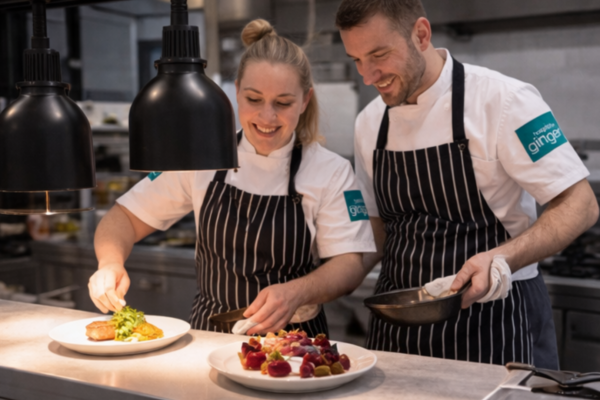
In a kitchen, that might mean a relief chef supporting prep, service pace and consistency through a full weekend.
On the floor, it might mean experienced Front of House support helping with table turns, guest communication, outdoor areas or large bookings.
Behind the bar, it might mean extra support when live sport, warm weather or local events increase drinks volume.
In a hotel, temporary support might help protect breakfast service, housekeeping, events, food and drink, or evening service during short stay demand.
The role may change, but the value is the same. Good temporary support helps the permanent team deliver better because they are not carrying every pressure point alone.
Summer Trade Raises the Stakes
Summer creates real opportunity for hospitality venues.
The OakNorth summer 2025 sector pulse, reported in The Morning Advertiser, highlighted that summer was expected to boost sales, especially for outdoor beer gardens, lighter menu options, local events, live music and sport.
CGA tracker coverage in The Morning Advertiser also showed managed pub groups performing strongly, with sales up 9.1% in April 2025 and 1.2% in June 2025. Pubs were the strongest major hospitality segment in both periods.
Strong trade is good news, but it also raises the stakes for service delivery.
A full pub garden needs enough bar and Front of House capacity. A busy restaurant needs kitchen rhythm and calm service. A hotel with a high number of arrivals needs every guest touchpoint to feel smooth.
Temporary staff can help protect those touchpoints when demand is high.
Hotel Guests Have Less Time to Be Won Over
The guest experience challenge is especially clear in hotels.
UKHospitality’s summary of SiteMinder Hotel Booking Trends 2026 reported that 69% of hotel check ins are domestic, 80.5% of stays are one night, July is the most expensive month to stay, and Friday is the priciest check in day.
That means many guests are arriving for short stays during a high value period.
There may only be one night to get the experience right.
From arrival to dinner, breakfast, room readiness, service pace and checkout, every interaction matters. If one part of the team is stretched, the guest journey can feel less consistent.
Temporary support can help hotels protect those key service points when demand is concentrated.
The Right People Make the Difference
Not all support protects guest experience in the same way.
The right temporary staff need to fit the role, the venue and the pressure of the shift. They need to understand the pace, listen to the team, respect standards and step in without creating extra work.
That is especially important during peak summer, when managers do not have time to carry unclear communication or mismatched experience.
Good temporary support should make the shift feel calmer.
It should give the permanent team more room to focus on guests, give managers more control, and help the venue deliver the standard people came for.
Staffing Is Part of Reputation
Guest experience affects more than one service.
It shapes reviews, repeat visits, recommendations and how people talk about a venue after they leave.
When the team is supported, guests are more likely to feel the difference. Service feels warmer. Drinks move faster. Food arrives with more confidence. Small details are easier to maintain.
When the team is stretched for too long, even a strong venue can start to feel inconsistent.
That is why temporary staff guest experience hospitality support should not be seen as separate from reputation. It is part of how venues protect the standard they are known for during the busiest periods.
Protecting Guests Means Protecting Teams
The best guest experiences are delivered by teams who have enough capacity to care.
That care needs time, energy and support behind it.
Temporary staff can help create that space during peak summer. They can reduce overload, protect service flow and help permanent teams focus on the details that make guests feel looked after.
This is not about adding people for the sake of it. It is about putting the right support in the right place so the whole service works better.
Guest Experience Needs Capacity
Peak summer puts hospitality service under pressure.
Guests are still dining out. Pubs are seeing strong trade. Hotels are managing short, high value stays. Operators are balancing demand, rising costs and team wellbeing.
In that environment, guest experience needs more than good standards on paper. It needs enough capacity to deliver those standards in practice.
If the right temporary support would help protect service and guest experience through the busiest stretch, Ginger is here to talk it through.