
How Hospitality Venues Can Keep Standards High During Peak Summer

Peak summer gives hospitality venues a real chance to perform well.

Pubs, restaurants, hotels and event venues often see stronger footfall, fuller diaries and more opportunity from outdoor trade, domestic travel and local events. But the same period also tests service standards more than almost any other point in the year.

When teams are stretched, the small details are often the first to slip.

A slower welcome. Longer waits at the bar. Less time to reset tables. A kitchen team with less room for checks. A manager pulled into gaps instead of leading the shift.

Guests may not know what is happening behind the scenes, but they feel the difference.

That is why hospitality service standards in summer need protecting carefully. Busy trade is only valuable if the experience still feels consistent.


Guests Are Still Going Out

The demand is there.

SevenRooms UK Restaurant Trends 2025 reported that 44% of Brits said the amount they dine out had increased over the previous 12 months.

ResDiary’s UK and Ireland Hospitality Trends Report 2025 also found that 31% of diners planned to dine out more in 2025. At the same time, 31% of operators were worried about fewer customers dining at their venue, while 84% anticipated higher operating costs.

That tells a very real story.

Guests are still choosing hospitality, but operators are working in a tighter environment. Costs are higher, expectations remain strong, and customers want to feel that their spend is worthwhile.

In peak summer, that makes service consistency even more important.


Summer Trade Raises Expectations

The OakNorth summer 2025 sector pulse, reported in The Morning Advertiser, highlighted that summer was expected to boost sales, particularly for outdoor beer gardens, lighter menu options, local events, live music and sport.

CGA tracker coverage in The Morning Advertiser also showed managed pub groups performing strongly, with sales up 9.1% in April 2025 and 1.2% in June 2025. Pubs were the strongest major hospitality segment in both periods.

For venues, this is positive. Strong trade creates opportunity.

But it also increases pressure.

Outdoor spaces need service. Events bring peaks in volume. Lighter menus still need pace and consistency. Sport can create sudden demand at the bar. A sunny weekend can change the whole shape of the rota.

Keeping standards high during this kind of pressure is not about asking the team to simply work harder. It is about giving them the structure, space and support to deliver well.


What Guests Notice First

When teams are stretched, guests often notice the basics first.

They notice whether they are greeted quickly. They notice how long they wait for drinks. They notice whether the table feels cared for. They notice if the food arrives with confidence or if the team seems rushed.

In hotels, the pressure can be even more layered.

UKHospitality’s summary of SiteMinder Hotel Booking Trends 2026 reported that 69% of hotel check ins are domestic, 80.5% of stays are one night, July is the most expensive month to stay, and Friday is the priciest check in day.

That means many hotel guests are arriving for short, high value stays during one of the most commercially important months of the year. There may only be one night to get the experience right.

For operators, this reinforces a simple point. Summer standards are not just about presentation. They are about trust, pace, communication and consistency across every guest touchpoint.

 

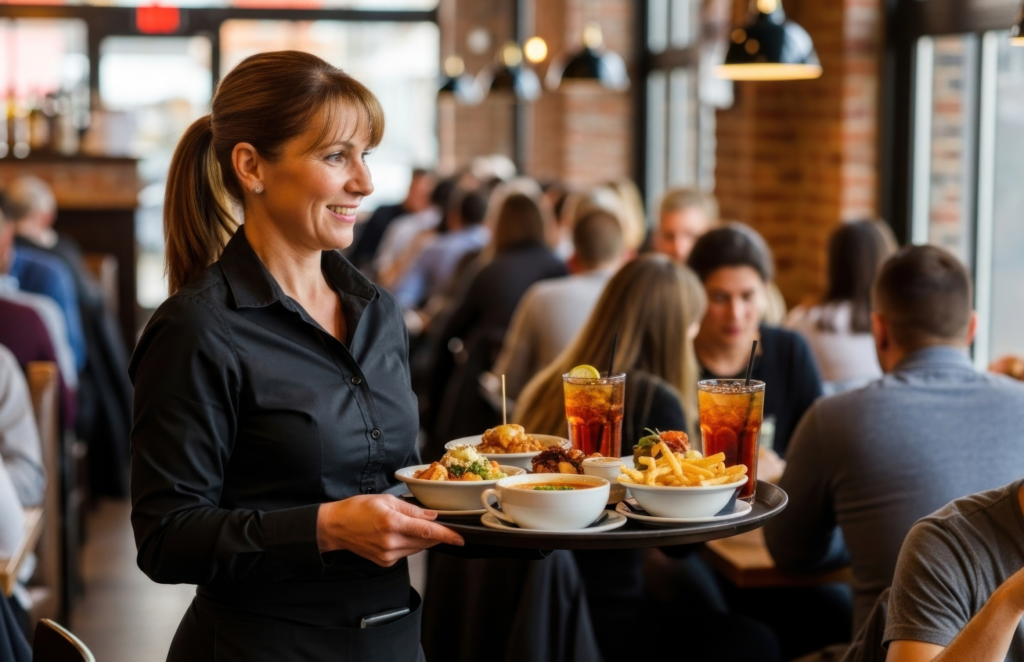
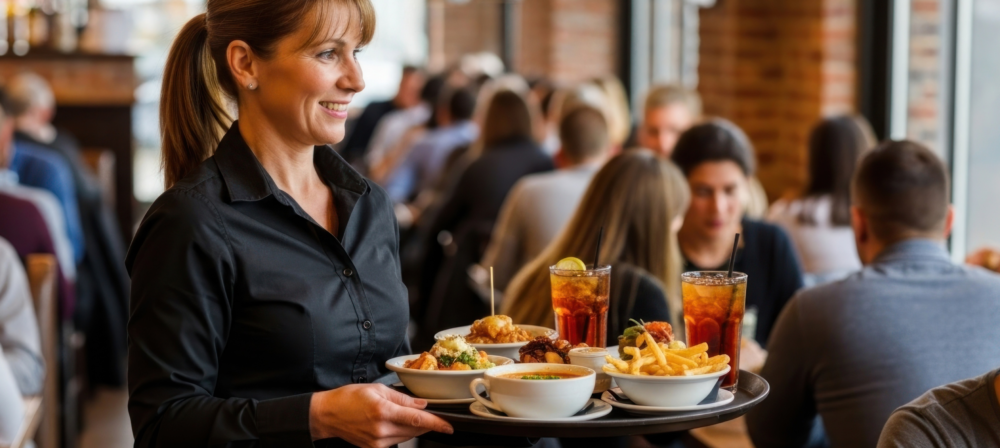
Hospitality team maintaining service standards during a busy summer service


Staffing and Standards Are Connected

Service quality and staffing cannot be separated.

A team can be skilled, committed and experienced, but if there are not enough people in the right places, standards become harder to protect.

Hospitality Action’s Taking the Temperature 2025 report found that under resourcing and understaffing was a concern for 57% of hospitality workers. High expectations and excessive workloads were reported by 52%, while work life balance concerns were reported by 50%.

The Hospitality People Survey 2026 also found that 36% of hospitality workers said work negatively affects their mental health, while 39% said it negatively affects their physical health. Happiness in role was down to 54%.

These figures matter because tired teams do not always have the same capacity for detail.

It is not about lack of care. It is about the reality of repeated pressure.

When teams have enough support, they are more able to deliver the standard they want to give.


Protecting Standards in Practice

Keeping hospitality service standards high in summer does not need to mean overcomplicating operations.

It often starts with clear priorities.

Venues need to know which parts of the guest experience matter most during peak pressure. That could be speed at the bar, table resets, kitchen pacing, room readiness, breakfast service, event timings or the handover between teams.

Once those pressure points are clear, support can be planned around them.

This might mean making menus more manageable during the busiest services. It might mean reviewing booking times to protect kitchen flow. It might mean adding Front of House support for outdoor areas. It might mean bringing in relief chefs to keep prep and service steady.

The goal is not perfection. It is consistency.


Efficiency Helps Protect Experience

PwC’s UK Hotels Forecast 2025 to 2026 describes a resilient sector, but also points to the need for stronger efficiency, flexibility and people investment to protect margins and experience.

That message applies across hospitality.

Efficiency is not about cutting corners. It is about making sure the team can work well.

Clear sections, clear handovers, realistic menus, supported managers and visible rotas all help service feel calmer. When the team knows the plan, guests are more likely to feel the benefit.

Flexibility matters too.

Summer demand can shift quickly. Weather, events, walk ins, domestic travel and guest behaviour all affect the day. Venues that can adapt without putting all the strain onto the same people are better placed to protect standards.


Support Is Part of Quality Control

Extra support during peak summer is often spoken about as a staffing solution, but it is also part of quality control.

The right support helps protect the flow of service. It gives permanent teams more room to focus. It helps managers lead rather than constantly cover. It reduces the risk of small issues becoming bigger problems during the busiest services.

For a pub, that might mean keeping bar and food service moving when the garden fills.

For a restaurant, it might mean keeping the kitchen steady through a run of full sittings.

For a hotel, it might mean protecting the guest journey across check in, dining, housekeeping and events.

Support is not just about having more people. It is about helping the whole operation stay consistent.


Keep Standards Strong Through Summer

Peak summer is a brilliant opportunity for hospitality venues, but it asks a lot from the people behind the service.

Guests are still dining out. Pubs are seeing strong trade. Hotels are managing high value summer stays. Operators are balancing demand with higher costs, tighter margins and team pressure.

In that environment, standards do not protect themselves.

They need planning, structure, communication and the right support at the right time.

If extra support would help your venue keep hospitality service standards strong through peak summer, Ginger is here to talk it through.

01200 890 890

Finding The Right Sous Chef For The Hive At Ribby Hall Village

Shevon celebrates his new Sous Chef role at The Hive, Ribby Hall VillageVictoria Lindsay, Talent Manager –
Some partnerships stay with you because they are about much more than a role.

For me, supporting Shevon into his new Sous Chef position at The Hive, Ribby Hall Village has been one of those moments.

It has been a lovely reminder of what good hospitality Partnerships should feel like. Taking the time to understand the venue properly. Listening to the person in front of you. Knowing when something feels like the right fit. Then being genuinely proud when everything comes together.

Ribby Hall Village is a brilliant hospitality and leisure destination with a strong family focus, and The Hive has such a clear personality of its own. It is busy, energetic, guest-led and full of atmosphere.

That meant this role was never just about finding someone with kitchen experience.

It was about finding someone who could understand the pace of The Hive, support the kitchen team with confidence and bring the right attitude into a lively, family-focused environment.


Understanding Ribby Hall Village And HIVE

Ribby Hall Village is a family-owned hospitality and leisure destination in Wrea Green, near Blackpool.

Since opening in 1994, it has grown into a major Lancashire venue set across more than 100 acres, welcoming large numbers of guests every year and offering a full holiday village experience.

There is so much happening across the site, from accommodation and leisure to activities, restaurants, cafés and bars. Food and drink play a big part in the overall guest experience, with seven eateries including The Hive, Terrazza, The Orangery, Harrison’s Bar and Blend Coffee House.

The Hive is a family entertainment, activity and dining venue with a real buzz to it.

The menu is family-friendly, with classic favourites, light bites and hearty meals. That kind of operation needs a kitchen team that can keep pace, stay organised and deliver consistently across a varied day.

The environment matters. The personality of the venue matters. The guest experience matters.

That was at the heart of the process from the beginning.


What The Role Needed

When working with a venue like Ribby Hall Village, it is important to look beyond the job title.

A Sous Chef at The Hive needs to bring skill and reliability, of course. But they also need to understand what kind of environment they are stepping into.

This is a lively venue. It has families, entertainment, food, drink, activities and a wide mix of guest needs throughout the day.

The right person needed to be calm under pressure, confident in the kitchen and ready to support the wider team. They also needed to suit the energy of the venue and understand the importance of family-focused hospitality.

That is why the process had to be thoughtful.

It was not about rushing to fill a space. It was about understanding what Ribby Hall Village needed and making sure Shevon felt supported, informed and ready.


Getting To Know Shevon

From my first conversation with Shevon, I wanted to understand him properly.

Not just what role he wanted next, but what kind of environment would suit him, what mattered to him and where he could see himself growing.

That part of the process is so important to me.

You can have the right experience on paper, but hospitality is about people. It is about pace, personality, culture and confidence. A role has to feel right for the person as well as the venue.

Shevon’s feedback meant a lot because it showed that he felt heard throughout the process.

“I honestly can’t recommend Ginger Hospitality enough, especially my recruiter, Victoria.”

He also said:

“From the very beginning, Victoria took the time to get to know me and understand exactly what I was looking for.”

That is exactly how I want people to feel when they work with me.

Not pushed. Not rushed. Not treated like a name on a list.

Properly listened to.


Supporting The Process Properly

Once the opportunity at The Hive started to feel like the right direction, my focus was on making sure Shevon felt prepared and confident.

Interview support is such an important part of what we do. It is not about over-coaching someone or trying to make them something they are not. It is about helping them understand the opportunity clearly, feel ready for the conversation and walk in knowing they have someone behind them.

Shevon shared:

“She was incredibly supportive, checking in before my interview to give me advice and pointers that really helped me feel prepared.”

That kind of support matters because interviews can feel like a big moment, especially when the role feels right.

For Shevon, this was an opportunity to step into a Sous Chef role at a venue with real energy and personality. I wanted him to feel informed, encouraged and ready to show Ribby Hall Village who he was.


When The Right Fit Comes Together

There is always a moment in a process where you can feel things starting to come together.

With Shevon and The Hive, that moment felt really positive.

He had the right attitude, the right energy and the right understanding of the opportunity. Ribby Hall Village needed someone who could support the kitchen team in a busy, family focused setting, and Shevon felt like someone who could genuinely step into that environment and make an impact.

When he got the role, I was honestly so pleased for him.

Shevon said:

“After my interview, she called to congratulate me and was genuinely excited and proud when I got the job. She even had a little celebration with me over the phone, which made the whole experience feel so personal and memorable.”

That is such a lovely thing to hear, because it really was personal.

When you have taken time to understand someone, supported them through the process and seen how much an opportunity means to them, you cannot help but celebrate when it works out.

Why The Testimonial Means So Much
Feedback like Shevon’s is something we never take for granted.

He said:

“It’s rare to come across someone who genuinely cares about the people they’re helping, but Victoria goes above and beyond.”

That line means a lot to me.

It reflects the kind of support we always want Ginger Hospitality to be known for. Genuine care, honest communication and a real understanding of both people and venues.

For us, getting the fit right matters because it affects everyone. It affects the person starting the role. It affects the team they are joining. It affects the venue and the guest experience.

That is why care and detail are so important.


A Proud Moment In The Ribby Hall Village Partnership

Our partnership with Ribby Hall Village is something I am really proud of.

They are a venue with a strong identity, a clear guest focus and a wide hospitality offer. Supporting them means taking the time to understand the different areas of the business and the kind of people who will suit each environment.

The Hive is a perfect example of that.

It needed someone who could support a busy kitchen, understand the family-focused atmosphere and bring the right personality into the team.

Seeing Shevon step into that Sous Chef role is a brilliant outcome. Not just because the role has been secured, but because it feels like the right match.

That is what good hospitality partnership is all about.


Looking Ahead

Everyone at Ginger Hospitality is wishing Shevon every success in his new role as Sous Chef at The Hive, Ribby Hall Village.

I am genuinely excited to keep up to date with him, hear how he is settling in and see what he brings to the team.

For me, this whole process has been a reminder of why I love this work.

When you take the time to understand the venue, listen properly to the person and support the process with care, the outcome means so much more.

The right person. The right venue. The right support.

That is what makes the difference.

Looking for a hospitality partner who takes the time to understand your venue and the people behind it? Talk to the Ginger team. We are always here to help.
 
01200 890 890

Heft & Ginger Hospitality: Partnership Built on Understanding

An Interview with Kevin Tickle, Head Chef at Heft

Lead by Head Chef Kevin Tickle, Heft is a restaurant with real character, rooted in place, people and personality.

Based in High Newton, this 17th century village inn has been sympathetically restored by Cumbrian born and bred couple Kevin and Nicola Tickle. It is a place that balances warmth and quality beautifully. The front bar remains open for locals to pop in for a pint and freshly made pie, while the rear restaurant offers a Michelin star dining experience shaped by the seasons, the surroundings, Kevin’s imagination and his deep knowledge of local produce and foraging.

For a kitchen like Heft, recruitment is never just about filling a position.

It is about finding someone with the right standard, the right skill set and the right attitude to become part of a very specific kitchen culture.

That is where the partnership between Heft and Ginger Hospitality began.


Understanding the kitchen before starting the search

Ginger Hospitality’s General Manager, Hannah Taylor, has been working closely with Kevin Tickle to support Heft with finding the newest member of the kitchen team.

From the beginning, the brief was clear. Kevin needed someone who could meet the expectations of a Michelin star kitchen, but just as importantly, someone whose personality would fit the atmosphere and environment he is building.

As Kevin explained:

“I didn’t need an excellent CV, I need a good CV, but more importantly, I needed the personality of the candidate to shine through for what I want to achieve in that kitchen.”

For Hannah, that meant taking the time to understand more than the technical requirements of the role.

It meant understanding the people already in the kitchen, the pace of service, the standards, the atmosphere and the type of person who would genuinely work well within the team.

Kevin said:

“Hannah listened to every single word I said. And everyone who’s been put forward really is exactly what I was after.”


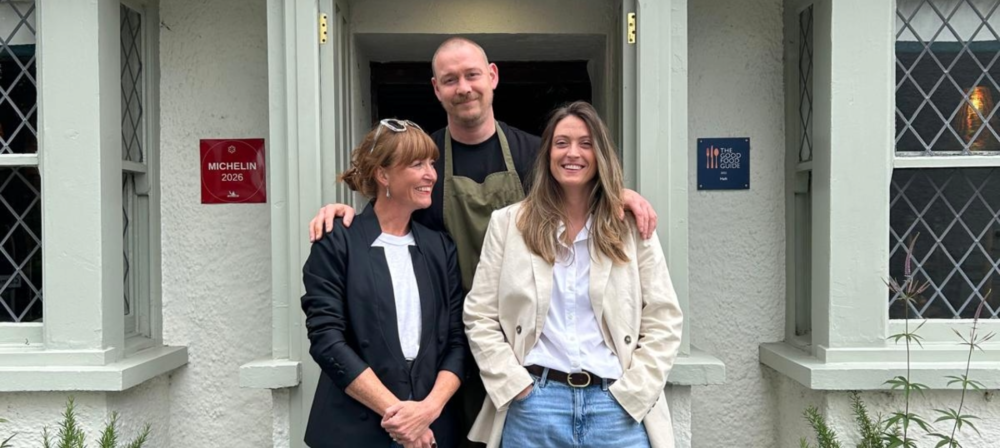
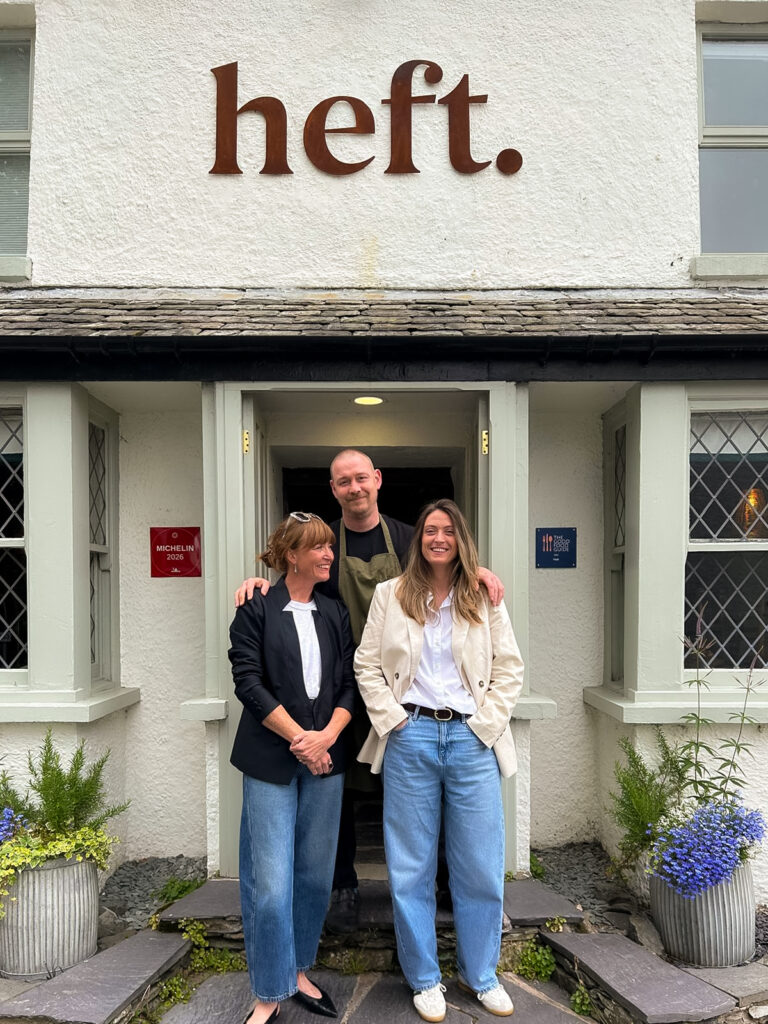
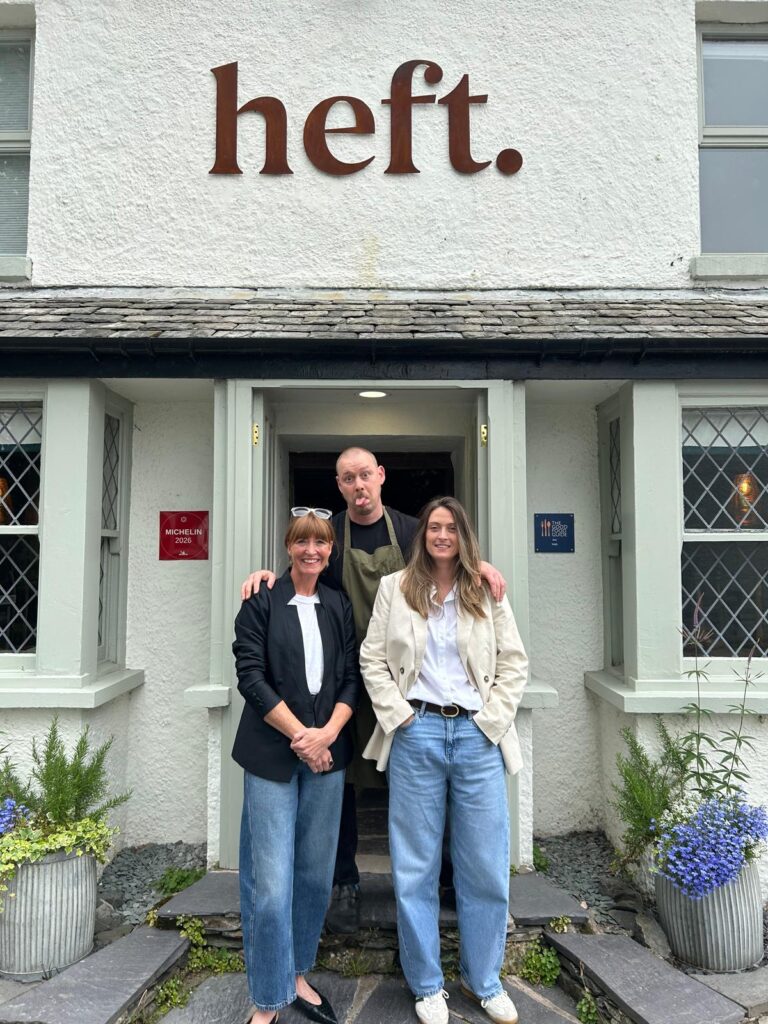
Angela Byrne and Hannah Taylor from Ginger Hospitality with Kevin Tickle outside Heft in High Newton


Face to face partnership

A key part of Ginger’s approach is spending time with partners face to face wherever possible.

Hannah travelled to Heft to sit down with Kevin in person, understand the business properly and get a real feel for the environment the new team member would be joining.

Kevin described the process:

“Initially we sat down and had a face to face conversation. So Hannah travelled all the way up here to see me and speak to me personally.”

That face to face understanding has continued throughout the partnership. Angela Byrne, CEO of Ginger Hospitality, and Hannah Taylor have also visited Heft to catch up with Kevin and the team, helping to deepen the relationship and gain a clearer understanding of the people, culture and atmosphere behind the business.

For Ginger, this is an important part of hospitality recruitment.

A job description can explain the role, but it cannot fully show the energy of a kitchen, the leadership style of a Head Chef, the rhythm of service or the personality needed to fit into a team.

Being there in person helps build a much deeper understanding.


Filtering for the right fit

After the initial brief, Hannah was able to start introducing people quickly, while still keeping the focus on quality and fit.

Kevin said:

“After that, it was a matter of days, if one day, before candidates started coming through. Hannah seemed to filter what I needed to fill the roles in perfectly.”

The search was not about volume. It was about finding the right person.

Kevin was clear that the process needed to allow for proper consideration, trials and conversation to make sure the fit was right for Heft.

He explained:

“I need the right person for the job. So I’ve had candidates and a couple of trials just to make sure that they fit.”

For a kitchen with Heft’s level of expectation, this attention to detail matters. The person joining the team needed to understand the standards before arriving, feel prepared for the environment and have the right approach to become part of the team.

Kevin could see that preparation in the people Hannah introduced:

“I can tell that the candidates that Hannah sends over that she’s done her groundwork on that. Every single one I’ve had through is, you know, they ticked all the boxes.”

He added:

“I can tell she’s spending time talking to them and really finding out about them and making sure that they’re the perfect fit for the role before they’ve come to us for a trial.”


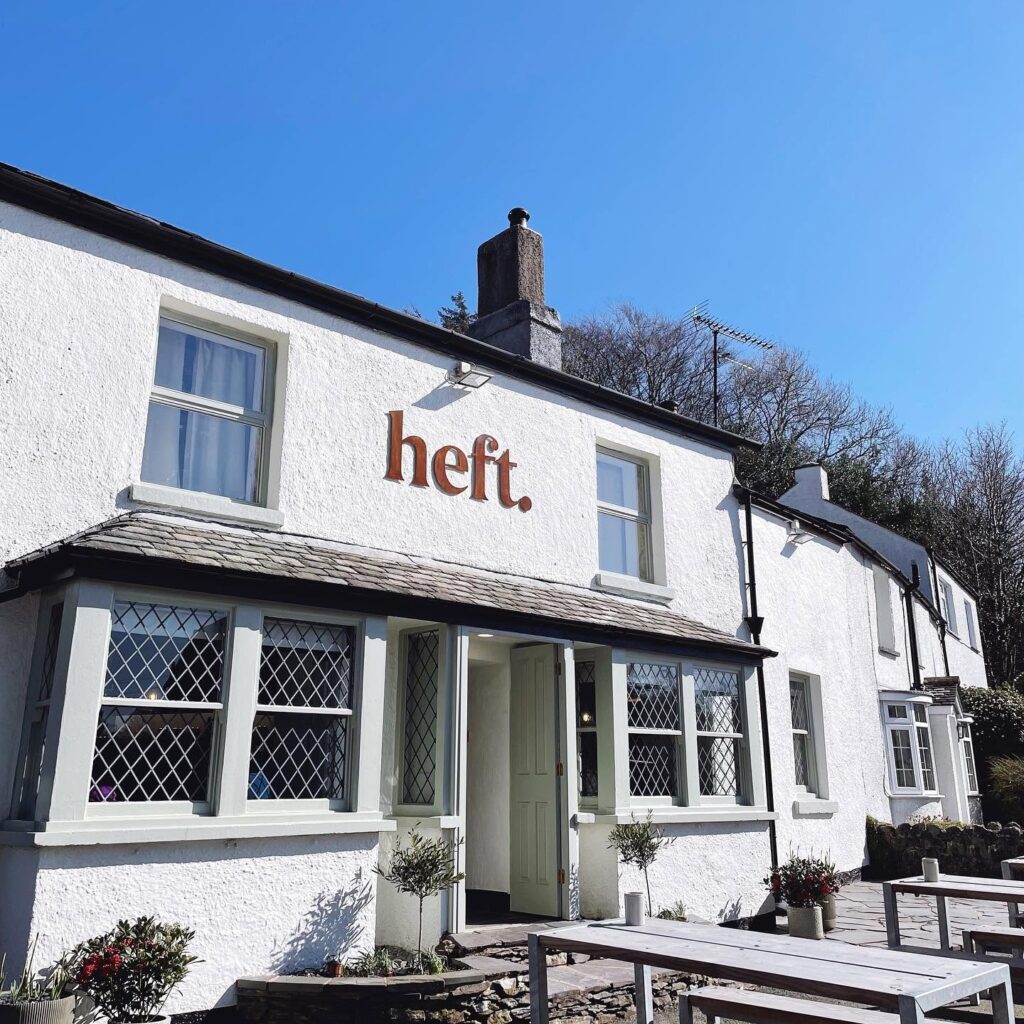
Exterior of Heft in High Newton, the Michelin star inn and restaurant led by Kevin and Nicola Tickle


Recruitment support that understands Hospitality

One of the strongest parts of Kevin’s testimonial was the value of working with people who understand hospitality from the inside.

Ginger’s team includes people who have worked in the industry themselves, which means they understand the pressures, standards and pace of hospitality service.

For Kevin, that made a clear difference.

“I think the difference is all the staff I’ve dealt with at Ginger, they’ve been in the trade themselves. So they are hospitality through and through.”

He continued:

“I think it kind of helps because they kind of listen and understand what your needs are, rather than just slapping a CV in front of it.”

That understanding is central to the way Ginger works.

Hospitality recruitment is not just about matching a title to a CV. It is about understanding service, pressure, personality, standards and the realities of working in a live hospitality environment.


Seven day support for a seven day industry

Hospitality does not operate Monday to Friday, and neither does the pressure of running a busy kitchen.

For Kevin, one of the things that stood out most about Hannah’s service was her availability and responsiveness.

He said:

“Second to none really. It’s great. You know, I can get hold of Hannah at the weekend when she’s on her days off and she’ll always reply.”

He added:

“That’s what I love about Ginger the most. I don’t have to wait a weekend before I get an answer. She’s always there.”

In an industry where questions, changes and decisions often happen outside standard office hours, that level of communication matters.

Kevin explained the contrast clearly:

“Hospitality is like, it’s a seven day business. So what I find with other agencies is we get to the weekend. You just can’t get in touch with anyone when you’re trying to get answers.”

With Hannah, the experience was different:

“She picks up the phone every time I need it. Obviously, I just send her a text because it’s her days off, but, you know, I always get an answer to the questions I need.”


A partnership beyond the placement

For Ginger, the relationship does not end when a role is filled.

That was something Kevin noticed after working with Hannah and the Ginger team.

Once Heft had the support they needed and the kitchen team was complete, the communication continued. Not because there was another vacancy to discuss, but because the relationship itself mattered.

Kevin said:

“I think one of the best things about Ginger is that, you know, they’ve filled my placements and I’ve got a full happy team now, but I’m still getting the texts from them.”

He continued:

“They still want to stay in touch even though I’m not there needing something. I think it’s a nice touch that we have created a relationship where we are still in touch.”

That reflects the way Ginger Hospitality approaches partnerships.

It is not transactional. It is built on understanding the business, staying close to the people behind it and being there when support is needed.


Kevin Tickle, Head Chef at Heft, speaking about kitchen recruitment and Ginger Hospitality support


The result

Through close communication, a clear brief and a strong understanding of the environment at Heft, Ginger Hospitality supported Kevin and the team with finding a new kitchen team member who matched the skill, attitude and personality needed for the role.

For Kevin, the experience has been a positive one from start to finish.

“I would recommend Ginger completely. I mean, I’ve had nothing but good experiences with them.”

He also made it clear that he would work with Ginger again in the future:

“I would absolutely work with Ginger again in the future.”


Continuing the relationship with Heft

It has been a real pleasure for Ginger Hospitality to work with Kevin Tickle and the team at Heft.

From the first face to face conversation, through to the search, shortlisting, trial process and continued aftercare, the partnership has been built around listening, understanding and delivering support in a way that works for the business.

Heft is a special place, with a distinct identity, a Michelin star standard and a kitchen culture that needed the right person, not just the right CV.

Supporting Kevin with that search has been exactly the kind of partnership Ginger values most.

One built on trust, communication and a genuine understanding of hospitality.

Why Reliable Relief Support Matters More Than Ever in Peak Season

Peak season is when hospitality teams find out what really holds.

A rota might look manageable at the start of the week, but one absence, one unexpected booking rush, one weather change, or one event led spike can quickly shift the whole picture.

That is why reliable relief support in hospitality matters more during July and August than almost any other point in the year.

When venues are already busy, support cannot simply be available in theory. It needs to be dependable, suitable and able to make the shift feel steadier, not harder.


Availability Is Not the Same as Reliability

There is a big difference between finding cover and finding the right cover.

In peak summer, venues need people who can walk into a busy environment, understand the pace, listen to the team, and contribute without creating more pressure.

That might mean a relief chef who can support a kitchen through a full Sunday lunch. It might mean Front of House support that understands guest flow and service standards. It might mean bar staff who can keep drinks moving during live sport, local events or outdoor trade.

Reliable relief support is not just about filling a name on the rota. It is about making sure the people coming in actually help the operation.


Reliable relief support helping a hospitality team during peak summer service


The Staffing Backdrop Is Still Challenging

The need for dependable support sits within a wider sector challenge.

The UKHospitality workforce campaign reported 132,000 vacancies in hospitality, with vacancies still 48% above pre pandemic levels.

At the same time, UKHospitality and REC data from July 2025 showed temporary hospitality job postings down 25% year on year, with 22,369 fewer postings than the same period in 2024.

That makes reliability even more important.

When temporary labour availability is tighter, operators cannot always assume support will be there at the last moment. The venues that plan earlier, communicate clearly, and work with trusted support are often in a stronger position when pressure lands.


Peak Season Leaves Less Room for Disruption

During quieter periods, a weaker shift can sometimes be absorbed.

In peak season, there is less room for error.

A busy pub garden needs quick, consistent service. A hotel restaurant needs breakfast, lunch and dinner to flow properly. A kitchen cannot afford to lose rhythm when prep is already tight. A Front of House team cannot keep stretching across extra sections without support.

The OakNorth summer 2025 sector pulse, reported in The Morning Advertiser, highlighted that summer was expected to boost sales, especially for outdoor beer gardens, lighter menu options, local events, live music and sport.

CGA tracker coverage in The Morning Advertiser also showed managed pub groups performing strongly, with sales up 9.1% in April 2025 and 1.2% in June 2025. Pubs were the strongest major hospitality segment in both periods.

That trade is encouraging, but it also means service pressure is real.

Reliable support helps venues respond to that opportunity without asking the same team to carry every busy shift alone.


Dependable Support Protects Team Confidence

When a team is under pressure, uncertainty becomes draining.

Not knowing whether a gap will be covered creates stress before service even begins. Managers spend time chasing solutions. Permanent staff brace themselves to stretch again. Senior team members start preparing to cover more than their own role.

Hospitality Action’s Taking the Temperature 2025 report found under resourcing and understaffing was a concern for 57% of hospitality workers. High expectations and excessive workloads were reported by 52%, while work life balance concerns were reported by 50%.

The Hospitality People Survey 2026 also found that 36% of hospitality workers said work negatively affects their mental health, and 39% said it negatively affects their physical health.

Reliable relief support helps reduce that uncertainty.

It gives teams confidence that pressure has been recognised and that there is a plan in place to help them through it.


Protecting Standards Through the Busiest Weeks

Guests do not see the pressure behind the scenes, but they feel the result of it.

They feel it in the speed of service. They feel it in the atmosphere. They feel it when teams are calm, organised and able to give proper attention.

When support is unreliable, standards can become harder to protect. A person arriving without the right experience, attitude or understanding of the role can create extra work for the permanent team.

Good relief support should do the opposite.

It should help keep the kitchen moving, give Front of House enough capacity, support managers in the shift, and protect the guest experience during the busiest trading weeks.


Flexibility and Responsiveness Matter

Peak summer rarely runs exactly to plan.

Weather changes. Bookings move. Walk ins increase. Staff holidays overlap. Events pull more people into a venue than expected.

This is why flexibility matters, but it needs to sit alongside reliability.

Responsive support helps venues adapt quickly, but dependable support helps them stay steady. The strongest option is both.

That combination gives operators more confidence through July and August, especially when demand is moving quickly and teams are already working hard.


Support Should Make Service Feel Steadier

Reliable relief support in hospitality should never feel like another problem to manage.

It should make the shift feel steadier.

That means understanding the venue, the role, the standards, the pressure points and the team dynamic. It also means clear communication before the shift, proper expectations, and support that is matched to what the venue actually needs.

During peak season, this matters more than ever.

Hospitality teams do not just need people. They need the right people, in the right place, at the right time.


Peak Season Needs Support Venues Can Trust

July and August bring real opportunity for hospitality businesses, but they also bring real strain.

Strong trade, outdoor demand, events, staffing gaps and team fatigue can all come together quickly. In that environment, reliable relief support is not just useful. It can be the difference between a team surviving the shift and delivering it with confidence.

If you need support you can rely on through peak summer, Ginger is here to help your team stay steady through the busiest weeks.

01200 890 890

What Repeated Busy Weekends Do to Hospitality Teams

One busy weekend can be managed.

Several busy weekends in a row feel very different.

By mid summer, hospitality teams are often moving from one strong service straight into the next. Friday night rolls into Saturday. Sunday lunch stays full. Events, sport, beer garden trade and domestic travel all add pressure to the rota.

This is why busy weekends in hospitality UK venues can feel so wearing during July and August. It is not only about how busy one shift becomes. It is about the repetition.

The pressure keeps coming, recovery time gets shorter, and teams are asked to deliver the same standard again and again.


Repeated Pressure Builds Slowly

Summer pressure does not always arrive dramatically.

It often builds in small ways. A chef takes on extra prep because the kitchen is short. A Front of House lead covers another section. A manager stays late to support close down. A team member says yes to one more shift because everyone else is stretched too.

At first, it can feel manageable. Over several weekends, it starts to show.

Hospitality Action’s Taking the Temperature 2025 report found that 57% of hospitality workers named under resourcing and understaffing as an issue. High expectations and excessive workloads were reported by 52%, while 47% said burnout is seen as part of the job.

That tells us something important. Summer pressure is not just about demand. It is about how much of that demand is carried by the same people.


Hospitality team working through repeated busy weekends in a UK pub


How Teams Feel the Strain

The Hospitality People Survey 2026 found that 36% of hospitality workers said work negatively affects their mental health, while 39% said it negatively affects their physical health. Work life balance was down to 53%, and happiness in role was down to 54%.

These figures reflect what many managers see in real teams during peak season.

People become quieter. Patience shortens. Small mistakes become more frequent. Communication can become clipped. Energy drops between services.

This does not mean teams are weak. It means they are human.

Hospitality teams are brilliant at pushing through busy periods, but repeated busy weekends need more than stamina. They need structure, rest, planning and support.


The Impact Across Bar, Floor and Kitchen

Repeated weekend pressure affects each part of the operation differently.

In the kitchen, pressure often shows up in prep time. Teams start each service with less margin. Specials take more work. Stock moves faster. The pass gets louder. If cover is thin, experienced chefs carry more responsibility than usual.

On the floor, the pressure is emotional as well as physical. Front of House teams manage guest expectations, delays, dietary questions, large bookings, and atmosphere. When the venue is busy every weekend, that constant guest facing energy takes its toll.

At the bar, speed and rhythm matter. Outdoor trade, live sport, warm weather and local events can all push drinks volume higher, especially in pubs and hotels with garden space.

None of these areas operate in isolation. When one part of the team is strained, the whole service feels it.


Strong Trade Still Needs Strong Teams

The commercial opportunity is real.

The OakNorth summer 2025 sector pulse, reported in The Morning Advertiser, highlighted that summer was expected to boost sales, especially for outdoor beer gardens, lighter menu options, local events, live music and sport.

CGA tracker coverage in The Morning Advertiser also showed managed pub groups performing strongly, with sales up 9.1% in April 2025 and 1.2% in June 2025. Pubs were the strongest major hospitality segment in both periods.

For operators, that is encouraging. Strong trade matters.

But strong trade only becomes a successful season when the team can deliver it consistently. A full venue is only positive if service holds, food stays sharp, and staff have enough capacity to keep going well.


Service Consistency Can Slip Quietly

Guests may not see the rota, but they feel the impact of it.

They notice if drinks take longer. They notice if food feels rushed. They notice if the welcome is less warm or the team feels under pressure.

In repeated busy weekends, consistency becomes harder to protect. Not because teams care less, but because the same people are carrying too much for too long.

This is why support during peak summer is not just about filling shifts. It is about protecting service quality across several weeks of demand.


How Operators Can Reduce the Strain

There is no single fix for summer pressure, but small operational decisions can make a real difference.

Reviewing the rota after each weekend helps spot patterns early. If the same people are covering every peak, that needs attention before fatigue builds further.

Adding support ahead of known pressure points can protect the core team. This might mean relief chefs for the busiest kitchen services, extra Front of House cover for outdoor trade, or bar support around events and sport.

Clear communication also matters. Teams cope better when they understand the plan, know where support is coming from, and feel that leadership has noticed the pressure.

The aim is not to remove all intensity from summer. That is hospitality. The aim is to stop intensity turning into overload.


Teams Need Support, Not Just Stamina

Busy weekends are part of peak summer hospitality. They bring energy, opportunity and atmosphere.

But when those weekends repeat without enough support, the strain becomes harder to ignore.

The strongest venues are the ones that recognise this early. They protect their people, steady their rotas and make sure service quality does not depend on the same team carrying every peak alone.

If your team is already feeling the effect of repeated busy weekends, Ginger is here to talk through practical support that helps keep summer manageable.

01200 890 890

How Extra Support Helps Protect Hospitality Teams in July

By July, hospitality teams are not just busy. They are carrying the weight of repeated services, staff holidays, outdoor trade, events, and guest expectations that keep rising through peak summer.

This is where hospitality staffing support in the UK becomes more than a way to fill gaps. It becomes a way to protect the people already holding the venue together.

Extra support is not about replacing the core team. It is about giving them enough breathing room to do their jobs well, stay steady under pressure, and continue delivering the service guests expect.

For many operators, that shift in thinking matters. Support is not a sign that the team cannot cope. It is a practical way to stop strong teams from being stretched too far.


What Summer Overload Looks Like

Summer overload rarely appears all at once.

It might start with a chef covering extra prep because someone is away. A manager staying late to close because the rota is thin. A Front of House team moving between indoor tables, beer gardens and private bookings with no time to reset.

On paper, the venue is trading well. In practice, the team is absorbing more than usual every day.

Hospitality Action’s Taking the Temperature 2025 report highlighted under resourcing and understaffing as a concern for 57% of hospitality workers. High expectations and excessive workloads were reported by 52%, while work life balance concerns were reported by 50%.

Those numbers reflect what many venues already know. The pressure is not always about one dramatic moment. It is the steady build up of too much being carried by too few people.


The Impact on Permanent Teams

Permanent teams are the backbone of hospitality venues. They know the regulars, the standards, the service flow and the small details that make a business feel like itself.

But in July, those same teams can become the default answer to every problem.

Someone is off, so they cover. Bookings jump, so they stay late. A section is short, so they stretch again.

The Hospitality People Survey 2026 shows why that matters. 36% of hospitality workers said work negatively affects their mental health, while 39% said it negatively affects their physical health. Happiness in role has fallen to 54%, and work life balance is down to 53%.

When teams feel that pressure for long enough, morale dips. Service can become less consistent. Good people start to feel like they are only just getting through.

Extra support helps interrupt that cycle.


Hospitality team supported during a busy July service


Protecting the Team Protects Service

There is a direct link between team support and guest experience.

A stretched kitchen finds it harder to maintain pace and detail. A tired Front of House team finds it harder to create warmth and control. A manager constantly covering gaps has less space to lead the service properly.

Temporary hospitality staff in summer can help protect that flow.

In practical terms, this might mean an extra chef supporting prep and service across the busiest weekend. It might mean additional Front of House support during outdoor trade. It could be bar cover, housekeeping help, event staff, or wider relief support depending on the venue.

The point is not just having more people. It is having the right support in the places where pressure is building.


Why Support Matters in a Tight Labour Market

The wider staffing picture makes this more important.

The UKHospitality workforce campaign reported 132,000 vacancies in hospitality, sitting 48% above pre pandemic levels. UKHospitality and REC data from July 2025 also showed temporary hospitality job postings down 25% year on year, with 22,369 fewer postings than the same period in 2024.

That means operators are planning support in a tighter market, where availability cannot always be assumed at the last minute.

For venues, this makes early and reliable hospitality relief support more valuable. It helps create options before the team is already overloaded.


Support Across the Whole Operation

Hospitality staffing support in the UK is often spoken about through kitchen cover, but July pressure reaches much further.

Bars feel it when outdoor spaces fill. Front of House teams feel it when table turns are constant. Hotels feel it across breakfast, housekeeping, events and evening service. Kitchens feel it when prep, service and clean down all stretch across longer trading days.

Extra support works best when it is matched to the real pressure point.

That could be a relief chef supporting a small kitchen through Sunday lunch. It could be experienced bar staff helping with event led trade. It could be additional Front of House support so permanent staff are not carrying every busy section alone.

When support is planned properly, it strengthens the whole shift.


Helping Teams Feel Valued

One of the strongest findings from the Hospitality People Survey 2026 is that 72% of hospitality workers said working with great people is the most important factor in retention.

That matters because support is not only operational. It is cultural.

When a venue brings in extra support at the right time, it sends a clear message to the team. It says their workload has been noticed. It says they are not expected to carry every peak alone. It says the business is protecting standards and people at the same time.

That kind of message matters during July.


A More Manageable Summer

Extra support will not remove every pressure from peak summer. Hospitality will still be busy, fast and demanding.

But it can make the busiest stretch more manageable.

It can help permanent teams stay steadier, reduce overload, protect morale and keep service quality more consistent when demand is high.

July is often when good teams start to feel the weight of summer. Support gives them room to keep going well.

If your team is already carrying too much and practical support would help protect them through July, Ginger is here to talk it through.

01200 890 890

Why Peak Summer Pressure Feels Different in Hospitality

July is one of the busiest months in hospitality, but the pressure does not behave the way it used to.

For many pubs, restaurants, hotels and venues, the early part of summer can feel like a build up. Bookings increase, outdoor spaces reopen properly, menus shift, and the diary starts to fill.

By July, that build up has become the reality.

Peak summer hospitality pressure is not usually one dramatic service. It is repeated busy weekends, stronger outdoor trade, increased domestic travel, staff holidays, events, and teams carrying demand over several weeks at a time.

That is what makes this part of the season feel different. It is not just busier. It is harder to absorb.


Repeated Busy Weekends Add Up

One strong weekend can be managed. Several in a row feel very different.

By July, teams are often moving from one busy service into the next with very little breathing space. Friday trade rolls into Saturday, Sunday lunch stays strong, and midweek bookings can become less predictable when local events, sunshine, school holidays and tourism all overlap.

This is where peak summer hospitality becomes operationally demanding. The challenge is not just getting through one full service. It is keeping the same pace, standards and team energy across a sustained stretch.

For operators, that means the pressure is not only commercial. It is practical. Rotas need to hold. Teams need enough support. Service standards need to stay consistent even when everyone is tired.


Busy pub garden during peak summer hospitality service


Summer Demand Is Still Strong

The wider picture shows that hospitality demand remains active, even with economic pressure still shaping customer behaviour.

SevenRooms UK Restaurant Trends 2025 reported that 44% of Brits said the amount they dine out had increased over the previous 12 months. ResDiary’s UK and Ireland Hospitality Trends Report 2025 also found that 31% of diners planned to dine out more, while 31% of operators were still worried about fewer customers dining at their venue.

That combination matters.

Guests are still going out, but they are choosing carefully. They want value, quality and a good experience. This creates pressure for venues to deliver well every time, especially when customers are being more selective about where they spend.

Strong demand is an opportunity, but it also raises the stakes.


Outdoor Trade and Events Change the Rhythm

Summer trade is not only about higher footfall. It changes the way a venue runs.

The OakNorth summer 2025 sector pulse, reported in The Morning Advertiser, highlighted that summer was expected to boost sales, particularly for outdoor beer gardens, lighter menu options, local events, live music and sport.

This kind of demand brings energy into venues, but it also stretches teams in different ways.

Outdoor areas need covering. Drinks service speeds up. Food may move between indoor and outdoor spaces. Guests stay longer. Weather can change demand quickly. Events can turn an average day into a full one with little warning.

For pubs in particular, this matters. CGA tracker coverage in The Morning Advertiser showed managed pub groups performing strongly, with sales up 9.1% in April 2025 and 1.2% in June 2025. Pubs were the strongest major hospitality segment in both periods.

That resilience is positive, but it also means teams are carrying real volume.


Staycations Keep Food and Drink Front and Centre

Domestic travel continues to support summer hospitality demand.

VisitBritain domestic sentiment tracking for 2025 to 2026 shows that for July to September trips, trying local food and drink is one of the top planned activities.

For regional venues, this is important. Staycation guests are not just looking for somewhere to stay. They are looking for local experiences, pub lunches, relaxed dinners, drinks in the sun and places that feel connected to the area they are visiting.

That creates opportunity for pubs, restaurants and hotels, especially those in areas with strong tourism, local events or outdoor appeal.

It also means summer pressure is not confined to traditional holiday hotspots. More venues are feeling the effect of domestic travel, shorter breaks and last minute decisions.


The Pressure Is Operational as Well as Commercial

It can be easy to talk about summer only in terms of sales. But operators know the reality is more layered than that.

A full booking sheet is only a good thing if the team has the capacity to deliver it well.

Peak summer hospitality pressure can show up in small ways first. Longer waits at the bar. A kitchen team losing prep time. Front of House stretched between indoor and outdoor tables. Managers stepping into gaps instead of leading the shift. Regular staff covering too many extra hours.

None of these issues mean a venue is failing. They are the reality of a strong summer season when demand is high and teams are carrying a lot.

The venues that handle July best are often not the ones with the biggest teams. They are the ones with the clearest structure, the best communication and enough support around the people doing the work.


What Venues Need Most in Peak Summer

At this stage of the season, hospitality businesses usually need three things most.

They need reliability, because uncertainty around staffing becomes harder to manage when demand is already high.

They need responsiveness, because bookings, weather, events and guest behaviour can change quickly.

They need support that protects the team, not just the rota.

That support might look different depending on the venue. For some, it is extra kitchen cover for the busiest weekends. For others, it is Front of House support to keep service moving across outdoor spaces. For hotels, it may be wider operational support across food, drink, housekeeping or events.

The key is recognising that peak summer pressure is sustained. It needs steady support, not just last minute rescue.


You Do Not Need to Carry Summer Pressure Alone

July is not a surprise. Hospitality operators know it will be busy.

What feels different is the complexity of that demand. Guests are still going out, domestic travel is supporting food and drink spend, pubs are showing resilience, and outdoor trade can create strong opportunity.

But teams need the right support to turn that opportunity into consistent service.

Peak summer hospitality is not just about being busy. It is about staying steady while the pressure keeps coming.

If your team is already carrying the weight of summer and extra support would help protect service, morale and standards, Ginger is here to talk it through.

01200 890 890

What to Expect from Hospitality Demand in July and Beyond

July has always been one of the busiest months in hospitality.

Longer days, school holidays approaching, and a rise in travel all contribute to increased footfall. But in 2026, demand is not just high. It is changing.

Operators are seeing strong trade, but with more unpredictability, more pressure on teams, and more variation in how guests are choosing to spend.

Understanding that shift is what will separate venues that cope from those that perform.


What July Demand Actually Looks Like

July remains a peak month for hospitality across the UK.

Footfall is high, pricing is at its strongest point, and event-driven trade plays a major role. Weddings, local events, weekend bookings and tourism all contribute to consistent demand across both weekdays and weekends.

For many venues, it is one of the most commercially important periods of the year.

But high demand does not always mean simple demand.


Guest Behaviour Is More Complex Than Before

Customer behaviour continues to evolve.

Guests are more value-conscious, even when they are spending. They are looking for experiences that feel worth it, whether that is through quality, atmosphere, or occasion.

At the same time, visits are becoming shorter and more frequent. Rather than one large spend, many guests are choosing multiple smaller experiences across the season.

There is also a clear increase in last-minute decision making. Bookings are coming in closer to the time, and walk-ins are playing a bigger role, particularly during good weather.

For operators, this creates both opportunity and challenge. Demand is there, but it requires more flexibility to capture it effectively.


Staycations Continue to Drive Demand

Domestic travel remains a major contributor to summer trade.

Staycations are still a preferred option for many UK travellers, which is supporting strong demand across regional hospitality businesses. Areas outside of major cities are benefiting from consistent footfall, particularly in destinations with outdoor space, accommodation, or local attractions.

This creates a more even spread of demand across the country, rather than it being concentrated in traditional hotspots.

For many venues, especially in the North, this means sustained trade throughout the week, not just weekends.


The Operational Reality Behind the Scenes

While demand is strong, the operational picture is still challenging.

Labour shortages have not disappeared. Many venues are still operating with leaner teams than they would ideally like, particularly in kitchens and experienced Front of House roles.

At the same time, cost pressures remain. Wage increases, supplier costs, and general overheads continue to impact margins.

Guest expectations have also increased. Faster service, better experiences, and consistency across visits are now expected as standard.

This combination creates a complex environment. High demand, but limited room for error.


What Venues Need to Adapt To

To perform well through July and beyond, operators are focusing on adaptability.

Flexible service models are becoming more common, allowing teams to respond to fluctuating demand. This includes adjusting menus, managing booking strategies, and making the most of available space.

Efficiency is also key. Streamlined operations, clear communication, and well-structured teams help maintain service standards even under pressure.

Most importantly, having the right team structure in place makes a significant difference. Not just in numbers, but in how those teams are deployed across the week.


Where the Opportunities Are This Summer

Despite the challenges, there are clear areas of opportunity.

Events continue to drive strong revenue, from weddings and private functions to local community events. Outdoor dining remains a major draw, particularly during warmer periods.

Short stays and quick visits are also increasing, creating opportunities for venues that can offer flexible, experience-led options.

Menus, service styles, and marketing that align with these behaviours are performing best.


What This Means for the Rest of Summer

July is not a one-off peak. It sets the tone for the rest of the season.

Demand is expected to remain strong through August, supported by school holidays, tourism, and continued staycation trends. However, the same complexity will remain.

Last-minute bookings, value-driven decisions, and operational pressure are likely to continue.

Consistency becomes the differentiator.


July Is the Start, Not the Finish

For many hospitality businesses, July feels like the moment everything comes together.

In reality, it is the beginning of sustained peak demand.

The venues that understand how demand is evolving, and adapt their teams and operations accordingly, are the ones that will get the most from the season.

Having the right support, the right structure, and the ability to respond to change is what makes the difference.

How to Prepare Your Hospitality Team for Peak Summer Months

The busiest summer services do not start in July. They start in how your team prepares now.

Across the UK, hospitality venues are already entering their most important planning window of the year. Research shows that 78 % of venues see a surge in summer trade, with 43 % describing it as their busiest period.

The difference between a smooth, profitable summer and a stressful one often comes down to preparation. Not just in staffing numbers, but in how well the entire operation is aligned before peak demand arrives.


Why Summer Preparation Matters More Than Ever

Summer trading is not just busier than the rest of the year. It behaves differently.

Unlike Christmas, which is condensed and predictable, summer is longer, more weather dependent, and often harder to forecast. Demand can shift quickly, with walk-ins increasing and outdoor spaces becoming central to service.

At the same time, guest expectations rise. Diners are looking for experiences, value, and flexibility, with 60 % expecting something new or seasonal when they visit.

Preparation is no longer optional. It is what allows teams to keep control when demand becomes unpredictable.


Start With What Your Data Is Telling You

Strong preparation starts with understanding your own patterns.

Looking back at previous summers gives you a clear foundation for planning. This includes reviewing booking trends, identifying peak days and services, and understanding how much of your trade comes from walk-ins versus reservations.

Walk-in traffic in particular becomes more significant in summer. This impacts everything from staffing levels to table management and service flow.

Operators who use their data early are not guessing when the busy periods hit. They are planning for them.


Build the Right Team Structure Early

Preparing for summer is not just about hiring more staff. It is about strengthening the team you already have and building around it.

This means identifying where pressure points are likely to sit. Kitchen sections that slow down during peak covers, Front of House roles that become stretched during outdoor service, and leadership gaps during longer trading days.

Hiring early plays a role, but so does training. Teams that are briefed, confident, and clear on expectations perform far better than teams that are simply increased in size.

The most effective operators focus on readiness, not just headcount.


Prepare for How Summer Actually Runs

Summer service does not follow the same rhythm as the rest of the year.

Walk-ins increase, especially during good weather. Service periods stretch longer into the evening. Outdoor areas create additional sections to manage. Drinks demand rises, often placing extra pressure on bar teams.

These changes affect how teams move, communicate, and prioritise tasks.

Preparing for this means thinking through service flow in advance. Where bottlenecks might appear, how sections are divided, and how teams support each other when the pace shifts.

This is where many venues either gain control or lose it.


Align Your Offer With Guest Demand

Operational preparation works best when it is matched by a clear, practical offer.

Menus that are simplified without losing quality help kitchens maintain consistency during high volume service. Seasonal specials and value-led options meet guest expectations without adding unnecessary complexity.

Experience also plays a role. Summer diners are often looking for something more relaxed and social, whether that is outdoor dining, sharing dishes, or extended service times.

The offer needs to support the team, not stretch it.


Set Your Team Up to Perform

Preparation ultimately comes back to people.

Clear communication before and during service is essential. Teams need to understand their roles, the expectations for each shift, and how the day is likely to run.

Realistic rotas help manage energy levels across a longer season, while strong leadership on shift keeps teams focused and supported.

When teams feel prepared, they perform better. When they feel reactive, pressure builds quickly.


The Difference Preparation Makes

The gap between prepared and reactive venues becomes clear very quickly in summer.

Prepared teams move with confidence. They manage volume, adapt to changes, and maintain service standards even during peak periods.

Reactive teams are constantly catching up. Staffing feels stretched, service becomes inconsistent, and pressure builds across the business.

The difference is not luck. It is planning.


Summer Success Is Built Before It Starts

Summer is not just about being busy. It is about being ready for it.

The venues that perform best are the ones that take action early. They understand their data, strengthen their teams, and plan for how service will actually run.

Preparation also means knowing where support fits in. Whether that is strengthening your core team, adding flexibility during peak periods, or ensuring you are not relying on last-minute solutions.

The more prepared you are now, the more control you have when it matters most.

Why Ongoing Staffing Support Is Critical During Summer

Summer in hospitality is often described as a busy period. In reality, it is more demanding than that.

It builds gradually, reaches high volume, and then holds that pressure for weeks at a time. For teams on the ground, this is not a single peak to prepare for. It is a sustained demand that tests consistency, resilience, and planning.

This is why staffing support during the Summer cannot be treated as a one-off solution. It needs to be ongoing.


Expectation vs Reality in Summer Staffing

There is still a common assumption that summer staffing can be solved early.

The expectation is simple. Recruit ahead of time, fill the rota, and move into the season with confidence.

The reality in 2026 is more complex.

Workforce data shows that job postings have reduced by around 22,000, yet vacancy levels remain high. At the same time, demand across hospitality continues to increase, particularly with strong domestic travel and seasonal trade.

This creates a contradiction. There are fewer people actively entering the market, but more demand placed on those already working.

Summer staffing is no longer just about filling roles. It is about maintaining coverage in a tightening labour market.


Why the Traditional Model Is Struggling

The traditional approach to summer staffing relies on hiring ahead and stabilising the team early.

That model is under pressure.

There are fewer entry-level workers entering hospitality. Costs are rising, which limits how much businesses can expand teams. At the same time, the availability of temporary workers is more unpredictable.

This means even well-planned rotas can become unstable as the season progresses.

The issue is not poor planning. It is that the structure of the workforce has changed.


What Happens Without Ongoing Support

When staffing is treated as a fixed solution rather than a flexible one, gaps begin to reopen.

Cover that looked secure in early summer can shift due to sickness, availability changes, or increased demand. Teams begin to stretch, taking on more hours and more responsibility.

BBC reporting has highlighted that many hospitality businesses are already reducing opening hours or limiting service to manage staffing pressure. This is not always due to lack of demand, but lack of consistent coverage.

Over time, service standards can slip, not because teams are not capable, but because they are carrying sustained pressure without support.


The Impact on Teams

Sustained demand without consistent support leads to fatigue.

Teams working extended hours with limited recovery time are more likely to experience burnout. Morale can drop, particularly when pressure feels constant rather than temporary.

This also links directly to retention. Staff are less likely to stay through the full season if the experience becomes unsustainable.

The risk is not just short-term strain. It is losing good people at the point you need them most.


The Impact on the Business

The effect on the business is gradual but significant.

Reduced team capacity can lead to:

  • Limited menus or service adjustments
  • Shortened opening hours
  • Slower service and guest dissatisfaction

Over time, this impacts revenue, reputation, and long-term customer loyalty.

Summer is one of the most important trading periods of the year. Maintaining consistency during this time is critical.


What Ongoing Staffing Support Actually Means

Ongoing support is often misunderstood.

It is not about filling a single gap or responding to a last-minute need. It is about having consistent access to support throughout the season.

In practice, this means:

  • Reliable cover across multiple weeks, not just individual shifts
  • Flexibility to adapt as demand changes
  • People who understand the venue and how it operates
  • Continuity that supports the existing team rather than disrupting it

This approach allows operators to manage pressure as it evolves, rather than reacting to it.


Why It Matters More in 2026

This summer is shaped by several overlapping pressures.

Labour shortages remain unresolved. Wage costs have increased. Guest expectations continue to rise, particularly with staycation demand driving volume across many regions.

At the same time, teams are being asked to deliver consistent service over longer periods of sustained trade.

This makes ongoing staffing support more important than ever. It is not an additional layer. It is part of how successful teams are structured.


Supporting Summer as It Happens

The most effective operators are not treating summer as a problem to solve once.

They are recognising it as a period that needs consistent support from start to finish.

That might mean building flexibility into rotas, planning for cover beyond initial hires, or working with partners who understand the pace and pressure of the season.

The focus is not just on having enough people. It is on having the right level of support, at the right time, throughout the summer.


Final Thought

Summer in hospitality is no longer a single peak to prepare for.

It is a sustained period of demand that requires ongoing support to manage well.

Teams perform best when they are supported consistently, not stretched reactively. Businesses perform best when service remains stable, even as pressure builds.

The difference often comes down to how staffing is approached. Not as a one-off fix, but as a continuous part of the operation.