
How Hospitality Teams Handle Sustained Busy Periods

A busy weekend is one thing.

Weeks of it is where hospitality teams are really tested.

There is a rhythm to hospitality. Build up, peak, reset. But during sustained busy periods, that reset never quite comes. Services roll into each other, days blur, and the pressure becomes constant rather than occasional.

This is where the difference between coping and performing starts to show.


The Difference Between Busy and Sustained Busy

Short bursts of pressure often bring out the best in teams. There is energy, adrenaline, and a shared sense of getting through it together.

Sustained busy is different.

The adrenaline fades. The physical and mental load builds. What felt manageable for a weekend starts to feel heavy over multiple weeks.

This is not about whether a team can handle one busy shift. It is about whether they can maintain standards when there is no clear break in sight.


What Starts to Happen Over Time

You can see it if you spend enough time in a busy kitchen or on the floor.

Energy levels begin to drop.
Communication becomes shorter, sometimes sharper.
Small mistakes start to creep in.
Standards that were held tightly at the start of the period begin to loosen.

It is rarely dramatic. It is gradual.

A missed garnish. A delayed drink. A slightly rushed interaction with a guest.

Individually, they seem small. Over time, they add up.

This is the reality of sustained busy periods. Not chaos, but erosion.


What Strong Teams Do Differently

The teams that handle this well are not the ones that avoid pressure. They are the ones that adapt to it.

Communication becomes more consistent, not less.
People step across roles when needed without hesitation.
There is an awareness of the bigger picture, not just individual sections.

Cross-training plays a quiet but important role here. Teams that understand each other’s positions move more fluidly. They support earlier, not when things have already slipped.

There is also a shift in mindset. Strong teams stay proactive. They anticipate pressure points rather than reacting to them.

That is what keeps standards intact.


Systems Matter More Than People Think

There is often a belief that busy periods are handled purely through experience and instinct.

In reality, systems do a lot of the heavy lifting.

Clear training means fewer questions mid-service.
Simple technology reduces friction in orders and communication.
Structured prep creates consistency across shifts.

The best performing venues are not relying on individuals to hold everything together. They are building environments where the team can operate effectively even under pressure.

When systems are in place, teams can focus on service rather than problem solving.


The Role of People on Shift

Even with strong systems, people are what steady a busy service.

Experienced team members bring calm. They set the tone, manage pace, and help others stay focused when things tighten.

Attitude becomes just as important as skill. A team that supports each other, communicates well, and stays composed will always outperform one that fragments under pressure.

Support also plays a direct role in reducing burnout. When people feel backed up, they hold their standard longer. When they feel isolated, fatigue sets in faster.


Where It Starts to Break

Sustained busy periods do not usually break teams all at once.

They break them when pressure stacks without support.

When shifts are consistently short.
When cover is inconsistent or reactive.
When the same people carry the load day after day.

This is where standards start to drop more noticeably. Not because teams do not care, but because they are stretched too far for too long.


What Actually Makes the Difference

The teams that handle sustained busy periods well are not just working harder.

They are supported. They are prepared. They are not carrying it alone.

They have the right structure around them. The right people stepping in when needed. The ability to maintain pace without burning out.

That is what keeps service consistent, even when the pressure does not ease.


It Is Not About the Busy Period

Busy periods do not define a venue.

How a team is supported through them does.

Because when the pressure lasts longer than expected, it is not just about getting through the shift. It is about protecting the people delivering it.

And that is what guests feel, whether they realise it or not.

Why Consistency Matters More Than Speed in Hospitality Staffing

When a shift needs covering, speed feels like everything.

A call comes in, a gap appears on the rota, and the immediate focus is simple. Find someone. Fill the shift. Keep service moving.

That pressure is real. Every operator has felt it.

But what defines the outcome of that shift is not how quickly it was filled. It is how consistently that person performs once they arrive.


Why Speed Feels So Important

Hospitality is fast paced by nature.

Rotas change, people call in sick, and demand can shift quickly, especially during busy periods. In those moments, the priority becomes immediate cover. It is about protecting service in real time.

This is where speed has its place.

Fast responses can prevent disruption, support teams under pressure, and keep operations moving. Ignoring that reality would not reflect how the industry actually works.


Where Speed Alone Falls Short

The challenge comes when speed becomes the only measure of success.

A shift may be filled quickly, but if the person stepping in works differently to the team, it creates friction. Service slows, communication breaks down, and standards become inconsistent.

This can show up in simple but important ways:

  • Different approaches to service
  • Lack of understanding of the venue’s pace
  • Inconsistent guest interaction
  • Disruption to the kitchen or floor rhythm

Over time, these small inconsistencies add up. Teams adjust, standards shift, and what was once strong becomes “good enough”.

This is where operational drift begins.


What Consistency Actually Means in Hospitality

Consistency is not about rigidity. It is about reliability.

It means that regardless of who is on shift, the experience feels the same to the guest.

That includes:

  • The same level of service
  • The same understanding of expectations
  • The same approach to guests
  • The same communication within the team

Strong operations are built on this foundation. When people know what to expect from each other, service becomes smoother, faster, and more controlled.


Why Consistency Drives Service Quality

Service quality is one of the strongest drivers of guest satisfaction, loyalty and long-term performance.

Guests may not always notice individual moments of service, but they do notice how a place feels overall. That feeling is shaped by consistency.

When standards are steady, guests trust the experience. When experiences vary, confidence drops.

Consistency builds reputation over time. It is what turns a one-time visit into a return booking.


The Impact on Your Team

Consistency does not just affect guests. It shapes how teams feel on shift.

When teams work with people who understand the environment, there is:

  • More confidence in each other
  • Better rhythm during service
  • Less need to adjust or compensate
  • Reduced stress during busy periods

When consistency is missing, teams have to work harder to maintain standards. That pressure builds quickly, especially during peak service.


What Strong Staffing Looks Like in Practice

Strong staffing is not just about filling shifts. It is about supporting operations.

In practice, that looks like:

  • Familiar faces returning to the same venues
  • People who understand the pace and expectations
  • Consistent standards across every shift
  • Staff who integrate naturally into existing teams

This is where consistency becomes a strategy, not just an outcome.


Speed Solves a Problem. Consistency Builds a Reputation

Speed will always have a role in hospitality staffing.

But speed alone does not build strong teams, protect standards, or create memorable guest experiences.

Consistency does.

The most effective operators are not choosing between the two. They are ensuring that when speed is needed, it is supported by consistency.

Because in the long run, it is not the quick fix that defines a venue.

It is the experience that guests return for.

What Reliable Support Looks Like in Hospitality Teams

Every hospitality team has felt it.

The difference between having people on shift and having the right support.

On paper, the rota is full. Every position is covered. But service still feels harder than it should. Communication slips. Pressure builds faster. The team feels stretched.

Because presence and support are not the same thing.


The Industry Talks About Recruitment. Teams Feel the Reality

Across the industry, a lot of focus is placed on recruitment.

Employer brand matters. Speed matters. Process matters. Communication matters.

All of these things are important. They help roles get filled and teams get built.

But none of them guarantee what actually happens during service.

Because the reality of hospitality is not felt in the hiring process. It is felt on a busy Friday night. In the middle of a full dining room. When the kitchen is under pressure and the floor needs to flow.

That is where support is truly tested.


What Unreliable Support Actually Looks Like

Most teams can recognise it instantly.

It is the last minute dropout that leaves everyone adjusting before service has even started.

It is the person who needs constant direction, pulling focus away from the rest of the team.

It is the lack of awareness of pace, where someone cannot quite keep up with the rhythm of the shift.

It is small gaps in communication that quickly turn into bigger problems.

None of these things are dramatic on their own. But together, they change the energy of a shift.

Instead of moving forward, the team starts compensating.


The Impact on the Team Is Real

This is where it goes deeper than operations.

Research from Planday highlights that 73 % of hospitality team members lack motivation, and over half are considering leaving their roles. Burnout is becoming a common part of the industry experience.

When support is inconsistent, pressure does not just stay within the shift. It builds over time.

The strongest team members begin to carry more. Managers spend more time firefighting. Energy levels drop. Standards become harder to maintain.

And eventually, people start to disengage.

Reliable support is not just about making service easier. It is about protecting the people within it.


What Reliable Support Actually Feels Like

When it is right, it is obvious.

People arrive ready. They understand the pace of the environment they are stepping into.

They do not need constant direction because they are aware, present, and tuned into what is happening around them.

They communicate clearly. They step in where needed. They slot into the team rather than sitting alongside it.

There is a sense of calm within the shift, even when it is busy.

Not because it is easy, but because everyone is moving in the same direction.

That is what real support looks like.


The Difference It Makes to Service

When a team feels supported, everything changes.

Shifts run smoother. Communication becomes clearer. Decisions happen faster.

Guests feel it too. Service feels more natural, more consistent, more confident.

And importantly, the team finishes the shift still feeling like a team.

Not just people who got through it.


Why This Matters More Than Ever

Hospitality teams are under pressure.

Staffing shortages have not fully eased. Expectations from guests continue to rise. The pace of service remains high.

At the same time, the people within the industry are asking for more balance, more clarity, and more support in how they work.

This is why the definition of support is shifting.

It is no longer enough to simply fill roles.

Teams need people around them who strengthen how they operate, not just complete the rota.


Reliable Support Changes How a Team Performs

Reliable support does not just fill a gap.

It changes how a team performs under pressure.

It protects energy, improves service, and allows people to do their job properly.

And when that becomes consistent, not occasional, it transforms the way a venue runs.

Because in hospitality, it is never just about who is on shift.

It is about how the team works together when it matters most.

The Role of Relief Staff in Maintaining Service Standards

Every hospitality business talks about service standards.

Consistency. Quality. Experience.

But maintaining those standards becomes much harder when your team is stretched. When shifts run longer, when the kitchen is under pressure, when Front of House is trying to keep pace with a full dining room.

This is where the real challenge sits.

Because in hospitality, service quality is not just a goal. It is what drives guest satisfaction, repeat visits, and long-term loyalty.

When standards drop, everything else follows.


Why Standards Matter Even More During Peak

During busy periods, expectations do not change. If anything, they increase.

Guests still expect the same level of service, the same attention to detail, and the same quality of food and experience. At the same time, pressure builds behind the scenes.

More covers. Faster turns. Less margin for error.

This is where service standards are tested the most. Not when things are quiet, but when the operation is at full capacity.


What Causes Service Standards to Slip

In most cases, standards do not drop because teams stop caring.

They drop because pressure builds faster than support.

Common challenges include:

  • Short staffing during key shifts
  • Fatigue across core team members
  • Inexperienced or unfamiliar cover
  • Poor integration of additional staff

Even strong teams begin to feel the strain when these factors combine. Communication becomes harder, pace becomes inconsistent, and small details start to slip.


The Risk of Getting It Wrong

When service standards drop, the impact is immediate.

Guests notice slower service, inconsistencies, or lack of attention. This leads to poor reviews, reduced repeat business, and long-term damage to reputation.

In a competitive market, it does not take much for a guest to choose somewhere else next time.

Consistency is what builds trust. Losing that consistency, even temporarily, can have a lasting effect.


What Good Relief Staff Actually Do

Relief staff are often seen as cover. A way to fill gaps or get through a busy shift.

But when used properly, they play a much bigger role.

Good relief chefs and Front of House professionals help maintain the flow of service. They support existing teams rather than disrupt them. They bring experience into the operation, allowing managers and core staff to focus on delivering a consistent guest experience.

Most importantly, they reduce pressure.

When the right people step in, the team feels supported rather than stretched.


The Difference Between Cover and Quality

Not all relief staffing is the same.

When it is reactive and last minute, it can create more problems than it solves. Unknown individuals, unclear expectations, and lack of fit can disrupt service rather than support it.

A stronger approach is planned, considered, and consistent.

Reliable people who turn up prepared. Experienced professionals who understand the pace of service. Individuals who integrate into the team rather than operate alongside it.

That is the difference between simply filling a shift and maintaining standards.


How Relief Staff Support Service Quality

Service quality is often broken down into five key areas. In practice, all of them depend on people.

Relief staff support each of these in real terms:

  • Reliability
    Turning up, being prepared, and delivering consistently
  • Responsiveness
    Helping maintain speed of service during busy periods
  • Assurance
    Giving managers and teams confidence that service will hold
  • Empathy
    Supporting positive guest interactions, even under pressure
  • Consistency
    Ensuring the overall experience does not drop, even on the busiest days

When the right support is in place, these standards become sustainable.


Support Keeps Standards Strong

Service standards do not drop because teams do not care.

They drop when teams do not have enough support to maintain them.

Relief staff, when used properly, are not a backup plan. They are part of the structure that allows hospitality businesses to deliver consistently, even at their busiest.

That is where the real value sits. Not in covering gaps, but in protecting the experience that keeps guests coming back.

VAT’s The Problem: Why Hospitality Is Calling for Change

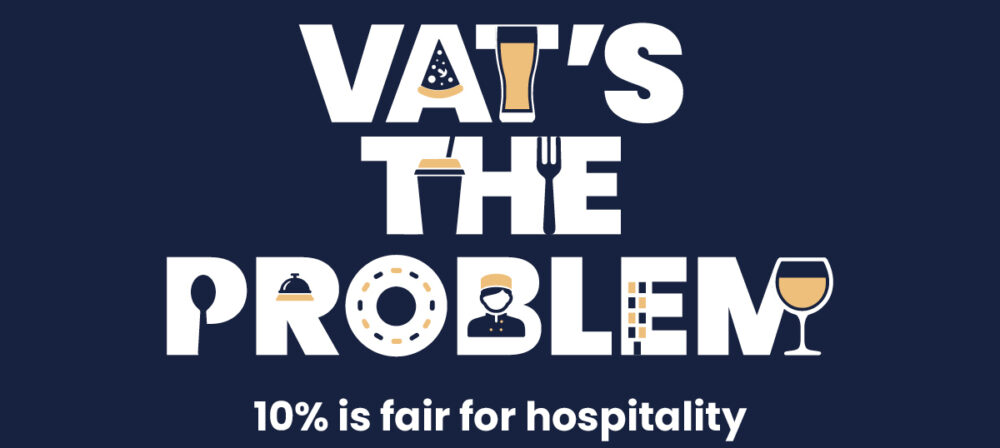
Across the UK, hospitality businesses are coming together behind a campaign with a simple message: VAT’s The Problem.

Launched in July 2026, the campaign is calling on the Government to reduce VAT for hospitality businesses from 20% to 10%.

The movement has gained support from operators, chefs, suppliers, hotels, pubs, restaurants, cafés, bars and industry leaders who believe the current VAT rate places an unnecessary burden on a sector that plays a vital role in communities throughout the country.

But what exactly is the campaign, why is it happening now, and what could it mean if successful?


What Is VAT?

VAT, or Value Added Tax, is a tax added to most goods and services sold in the UK.

In hospitality, VAT applies to many everyday purchases, including:

  • Meals in restaurants
  • Food and drink in pubs and cafés
  • Hotel stays
  • Hospitality experiences and events

The standard UK VAT rate is currently 20%.

According to the campaign, this is one of the highest hospitality VAT rates in Europe. Many countries with strong hospitality and tourism sectors operate significantly lower rates, including France, Italy and Spain at 10%, while Germany has reduced rates as low as 7% for parts of the sector.


Why Has The Campaign Been Created?

The campaign has been created in response to the increasing pressures facing hospitality businesses.

Supporters point to a combination of challenges, including:

  • Rising energy costs
  • Food inflation
  • Increasing employment costs
  • Business rates
  • A growing overall tax burden

The campaign argues that, when combined with a 20% VAT rate, these pressures make it increasingly difficult for hospitality businesses to invest, grow and, in some cases, remain viable.

Rather than seeking short-term support, the campaign is calling for a permanent structural change through a reduced VAT rate.

Its central message is: 10% VAT is fair for hospitality.


Who Is Behind The Campaign?

The campaign is being spearheaded by chef and restaurateur Tom Kerridge, alongside hospitality businesses and supporters from across the UK.

However, organisers are keen to stress that this is not simply a campaign for business owners.

The movement represents a much wider hospitality community, including:

  • Chefs
  • Waiting staff
  • Bar teams
  • Kitchen Porters
  • Hotel employees
  • Farmers
  • Brewers
  • Suppliers
  • Producers

The campaign argues that hospitality’s success benefits a large network of people and businesses beyond the venues themselves.


What Would A 10% VAT Rate Mean?

Supporters believe a reduced VAT rate could have a significant impact across the hospitality sector.

According to the campaign, a 10% VAT rate would help:

Support Hospitality Businesses

Lower VAT would reduce some of the financial pressure currently facing pubs, restaurants, cafés, hotels, bars, festivals and other hospitality businesses.

Protect Local Communities

Hospitality venues are often at the heart of local communities.

The campaign argues that when venues close, communities lose much more than places to eat and drink. They lose meeting places, local identity, employment opportunities and social connections.

Strengthen High Streets

Supporters believe a healthier hospitality sector contributes to more vibrant town centres and high streets, helping attract visitors and support wider local economies.

Support Employment

The campaign highlights concerns around job losses within the sector and argues that a more sustainable operating environment could help protect existing jobs and support future employment growth.

Improve Consumer Value

Campaign supporters also believe a stronger hospitality sector would be better positioned to continue offering quality experiences and value to consumers.


Why This Matters Beyond Hospitality

One of the key messages behind VAT’s The Problem is that hospitality affects far more people than those who work directly within it.

Restaurants, pubs, hotels and cafés support tourism, local suppliers, producers, transport providers and high streets across the country.

The campaign therefore, positions VAT reform not only as a hospitality issue, but as an economic and community issue as well.


How Can You Support The Campaign?

The campaign is encouraging both hospitality professionals and members of the public to get involved.

Supporters can:

  • Sign the petition
  • Share the campaign across social media
  • Raise awareness within their local communities
  • Encourage colleagues, friends and family to learn more about the issue

The campaign’s goal is to demonstrate broad support for a reduced hospitality VAT rate and encourage Government consideration of the proposal.


Sign the Petition

The official campaign website can be found here: VAT’s The Problem Campaign

You can learn more about the campaign and sign the petition directly through the website.


Looking Ahead

Whether or not VAT changes in the future remains a matter for the Government.

What is clear is that VAT’s The Problem has brought together a wide range of voices from across hospitality around a shared objective.

The campaign is focused on one central belief: That reducing hospitality VAT from 20% to 10% would provide meaningful support to one of the UK’s most important industries.

As the conversation continues, it is likely to remain one of the most significant industry campaigns of 2026.

How to Keep Your Hospitality Team Consistent During Busy Periods

Every venue prepares for busy periods.

Stock is ordered. Rotas are built. Bookings are watched closely. But when service begins and pressure builds, it becomes clear that consistency is not just about preparation. It is about people.

Because when things get busy, it is not systems that hold everything together. It is your team.


Why Consistency Drops Under Pressure

The reality is that many hospitality teams are already under strain before peak periods even begin.

Turnover across the industry sits at around 52 %, with 40 % of people leaving roles within a year. The average tenure is only around three years. That means many teams enter busy seasons without long-term stability or deep-rooted cohesion.

Add in long hours, high stress, limited flexibility and unclear progression, and pressure builds quickly.

Busy periods do not create these problems. They expose them.

When fatigue sets in, communication becomes less clear. Standards begin to slip. Small issues that would normally be managed early start to escalate. What felt manageable in quieter weeks becomes harder to control in the middle of service.


The Hidden Cost of Inconsistency

Inconsistency rarely shows up as one big failure. It shows up in small moments.

A missed detail on a plate. A slower response at the bar. A breakdown in communication between kitchen and Front of House.

These moments add up.

Guest experience becomes less reliable. Reviews start to reflect inconsistency rather than quality. Teams feel the pressure of things not running smoothly, which impacts morale. Over time, this affects revenue just as much as it affects reputation.

Consistency is not just about maintaining standards. It is about protecting the overall performance of the business.


Leadership Is What Holds It Together

What separates teams that stay consistent from those that struggle is not just experience or staffing levels. It is leadership.

Research across hospitality consistently shows that performance relies on team cohesion, shared identity and a sense of belonging. People need to feel clear in their role, connected to the team around them, and confident in the direction of service.

During busy periods, this becomes even more important.

Teams look to leadership for stability. Not just in decision making, but in presence, communication and tone. When leaders are visible, calm and clear, teams respond in the same way.

Consistency is human, not operational.


What Actually Keeps Teams Consistent

The fundamentals matter more than ever under pressure.

Clear roles on shift remove confusion and allow people to focus on delivery rather than decision making. Strong communication keeps everyone aligned, even when pace increases. Pre shift briefings set expectations and create a shared understanding before service begins.

Visible leadership during service gives teams confidence. It reassures them that support is there when needed and helps maintain control when things get busy.

Realistic rotas also play a part. Overstretching teams might fill gaps on paper, but it often leads to inconsistency in practice.

These are not new ideas. But during peak periods, they are often the difference between controlled service and reactive service.


Supporting Your Team Is What Sustains Performance

Consistency does not come from pushing people harder. It comes from supporting them properly.

Flexibility matters, especially during busy periods when personal time becomes limited. Being able to listen to your team, adjust where possible and recognise when pressure is building makes a real difference.

Wellbeing is not separate from performance. It is part of it.

Teams that feel supported are more engaged, more focused and more likely to maintain standards even when service is demanding.


Consistency Is Built Before the Rush

One of the biggest misconceptions in hospitality is that consistency can be fixed during busy periods.

In reality, it is built beforehand.

Strong teams, clear communication and structured rotas need to be in place before pressure arrives. Once service is in full flow, there is very little room to reset or rebuild.

This is where planning becomes critical. Not just planning for service, but planning for people.

In many cases, this also means knowing when to bring in additional support to protect your core team and maintain standards across the board.


Consistency Is What Guests Remember

Guests might not see the systems behind your operation, but they feel the consistency of your service.

They remember how smoothly their experience ran. How the team worked together. How the atmosphere felt.

And your team feels it too.

Consistency is what allows people to perform at their best, even when things are busy. It is what turns pressure into momentum rather than stress.

In hospitality, consistency is not just a standard. It is a reflection of how well your team is supported when it matters most.

Why Summer Staffing Needs More Than Just Last-Minute Cover

Every year, summer arrives with the same pressure. Busy weekends, longer trading hours, and higher guest expectations.

But in 2026, the difference is the margin for error.

With the current state of the hospitality workforce, leaving staffing until the last minute is no longer a quick fix. It is a risk that can impact service, team morale, and overall performance across your busiest period.


Why Summer Creates a Different Kind of Pressure

Summer is not just busier. It is more sustained.

Demand builds earlier, lasts longer, and often stretches teams across consecutive weeks without the natural downtime that other seasons bring. Events, tourism, and extended trading hours all combine to create consistent pressure rather than short spikes.

This means staffing needs to be more stable, more reliable, and better planned.

Reactive hiring might cover a shift. It does not support a full season.


The Reality of the Current Market

The hospitality labour market is tighter than it has been for years.

UKHospitality data continues to show that vacancies outweigh unemployment across the sector. There are simply not enough people available to meet demand.

Quinyx reports around 84,000 unfilled roles across hospitality, alongside rising wages, increased operating costs, and reduced access to overseas workers.

The key reality is simple. The talent pool is smaller, competition is higher, and waiting reduces your options.


Why Last-Minute Hiring No Longer Works

In a tighter market, last-minute staffing becomes increasingly difficult.

Availability is limited, meaning the best people are already booked or committed elsewhere. Decisions are made quickly, often without the time to properly assess fit or experience.

This can lead to:

  • Higher costs for urgent cover
  • Mismatched placements that disrupt service
  • Increased pressure on existing teams to support gaps

What used to be a short-term solution is now a point of risk during peak trading.


The Impact on Your Team

This is where the real cost shows.

Workforce data highlights that 65 % of hospitality workers report job-related stress, with 49 % saying it negatively impacts their wellbeing.

When teams are already operating under pressure, gaps in staffing do not just affect service. They affect people.

Longer shifts, fewer breaks, and constant adjustment create fatigue. Over time, this impacts morale, performance, and retention.

A stretched team might carry you through a weekend. It will not carry you through a summer.


What Proactive Summer Planning Looks Like

The most effective operators are approaching summer differently.

Planning starts earlier, with a focus on understanding where pressure will build rather than reacting when it happens.

This includes:

  • Reviewing rotas ahead of peak periods
  • Identifying high-pressure shifts and trading days
  • Building flexibility into staffing structures
  • Securing additional support before it becomes urgent

It is not about overstaffing. It is about being prepared.


The Role of Flexible Staffing

Flexible staffing is becoming a key part of that preparation.

Rather than relying on emergency cover, operators are building relationships with trusted relief staff who understand their venue, their pace, and their standards.

Planned relief support allows teams to stay consistent, even during busy periods. It reduces pressure on permanent staff and provides a level of stability that reactive hiring cannot offer.

When done properly, it feels like an extension of your team rather than an external solution.


The Difference It Makes

When staffing is planned and supported properly, the impact is clear.

Service runs smoother. Teams are more settled. Managers spend less time firefighting and more time leading.

It also supports longer-term outcomes. Staff are more likely to stay, guest experience improves, and the overall operation feels more controlled.

Summer becomes something to build into, rather than something to get through.


Summer Rewards Prepared Teams

Hospitality has always been fast-paced, but the conditions in 2026 are different.

With fewer available staff and higher expectations, preparation is no longer optional. It is what separates steady operations from stressful ones.

Last-minute cover still has a place, but it cannot be the strategy.

Summer does not reward reactive teams. It rewards prepared ones.

What a Busy Bank Holiday Weekend Reveals About Your Team

A busy bank holiday weekend doesn’t just test your operation. It shows you exactly where you stand.

In a climate where margins are tight, guests are more selective, and every booking matters more than ever, these high-pressure moments carry more weight.

Industry data from RSM highlights the reality operators are working within. Costs are rising, guest frequency is reducing, and spending is becoming more considered.

At the same time, consumer behaviour is shifting. Around 35% of guests are cutting back on dining, and 46% are visiting less often.

That means one thing. When guests do choose you, the expectation is higher.


Pressure Reveals What Normal Service Hides

On a quieter midweek service, many issues go unnoticed.

A slightly delayed starter. A miscommunication between kitchen and Front of House. A manager stretched across too many areas.

They do not always show up clearly.

But on a bank holiday weekend, everything is amplified.

Communication gaps become visible. Service slows. Pressure builds. Leadership is tested.

Busy periods do not create problems. They expose them.


What Strong Teams Look Like Under Pressure

The difference between teams becomes clear very quickly when the pace increases.

Strong teams stay consistent.

They communicate clearly. They support each other. They keep structure even when things get busy.

You can feel it in the room. Service flows. Guests are looked after. The team moves as one.

Other teams react.

They rush. Communication breaks down. Structure disappears. Service becomes inconsistent.

The key difference is not effort. It is alignment.


Where to Look After a Busy Weekend

The most valuable insight comes from looking at specific areas of service.

Front of House

  • Was speed balanced with experience, or did service become transactional?
  • Did guest interaction stay strong, or drop under pressure?
  • Was there confidence in upselling, or did it fall away as the pace increased?


Kitchen

  • Was consistency maintained across every plate?
  • Did prep match the level of service, or did pressure build as the shift progressed?
  • Was communication with Front of House clear and consistent?


Leadership

  • Were leaders visible and present during service?
  • Were decisions made quickly and calmly?
  • Did the team feel supported, or left to figure things out themselves?


The KPIs Behind What You Felt

Most operators do not need a report to know how a service went.

You can feel it.

But there are measurable indicators behind that feeling.

Service time. Order accuracy. Guest feedback. Team morale.

Sidekicker highlights these as key performance areas, but in reality, they are the things you already notice during service.

The difference is whether they are reviewed and understood after.


What Most Venues Miss

This is where the biggest opportunity sits.

After a busy weekend, most teams move on too quickly. The focus shifts to the next rota, the next delivery, the next service.

What gets missed is the reflection. The same issues repeat. The same pressure points return. Nothing really changes.


Turning One Weekend Into Progress

Improvement does not need to be complicated.

A short team debrief can go a long way.

  • What worked well?
  • What caused pressure?
  • What could be improved next time?

Focusing on one or two clear adjustments is often more effective than trying to change everything at once.

Just as important is reinforcing what went right. Strong service habits are built through consistency.


What This Means Going Forward

Performance in hospitality is no longer just about volume.

Guests are more selective, more value driven, and more focused on experience. That means busy periods are not just about getting through them. They are about delivering consistently when it matters most.

The teams that do this well are not perfect. They are prepared, aligned, and supported. And they learn from every service.

Why Temporary Hospitality Staff Are Key During Peak Weekends

Most hospitality teams do not struggle during quieter weeks. They struggle when it gets busy.

Peak weekends expose everything. Demand increases, expectations rise, and pressure builds quickly across both kitchen and Front of House. What works midweek often does not hold up on a fully booked Saturday.

This is where many operators feel the strain. Not because the team is not strong, but because fixed staffing models are not built for sudden spikes in demand.


The Reality of Peak Weekend Pressure

Busy weekends bring more than just higher footfall.

Service becomes faster, tables turn quicker, and guest expectations increase. Kitchens face higher volume, tighter timing, and greater pressure on consistency. Front of House teams are managing more covers, more requests, and more complexity.

At the same time, the margin for error reduces.

A slightly understaffed shift on a quiet Tuesday may go unnoticed. The same gap on a peak weekend can affect service speed, guest experience, and overall revenue.


Why Permanent Teams Alone Are Not Enough

Even the strongest teams have limits.

Sickness, holidays, and last-minute availability changes are part of hospitality. Add in long hours and sustained pressure, and fatigue becomes a real factor during peak periods.

There is also the ongoing challenge of recruitment. Hiring delays and skills gaps mean that many venues are already operating without a full team before the weekend even begins.

Relying solely on permanent staff in this environment can lead to overstretch. When teams are pushed too far, performance drops, and longer-term issues like burnout and turnover begin to surface.


What Temporary Staff Actually Solve

Temporary staffing is often misunderstood as a last-minute fix. In reality, it plays a much more strategic role.

Flexibility When Demand Changes: Temporary staff allow operators to scale teams up and down in line with demand. This means being properly staffed for busy periods without carrying unnecessary cost during quieter times.

Speed When It Matters Most: When gaps appear close to service, time is critical. Temporary staff provide fast deployment, helping venues stay operational without disruption.

Consistency Across Busy Services: With the right people in place, service standards can be maintained even during high-pressure shifts. This protects both guest experience and team confidence.

Continuity Without Long-Term Commitment: Temporary support allows venues to maintain continuity without needing to make rushed permanent hiring decisions.


The Risks of Getting It Wrong

Not all temporary staffing delivers the same result.

Poor quality placements, lack of experience, or individuals who do not fit the pace of a venue can create more problems than they solve. Unreliable cover can add pressure rather than relieve it.

This is why quality matters more than availability.

Temporary staff need to be able to walk into a service, understand expectations quickly, and contribute from the start. Without that, the benefit is lost.


What Good Temporary Staffing Looks Like

When temporary staffing works well, it feels seamless.

Chefs step into the kitchen and understand the flow of service. Front of House staff integrate into the team and support the guest experience without disruption. Communication is clear, and the team operates as one unit.

The difference is not just in skill, but in attitude and preparation.

Pre-vetted, experienced professionals who are used to different environments can adapt quickly. This reduces the need for additional training and allows managers to focus on running the service.


The Impact on Your Team

One of the biggest benefits of temporary staffing is often overlooked.

It protects your existing team.

By reducing overload during peak periods, temporary staff help prevent burnout, maintain morale, and support consistency across shifts. Teams that feel supported are more engaged, perform better, and are more likely to stay.

In a sector where retention remains a challenge, this matters.


A Stronger Approach to Peak Weekend Staffing

Temporary hospitality staff are no longer just there to fill gaps.

They are part of a broader staffing strategy that helps venues stay flexible, protect service standards, and support their teams during the busiest times.

Peak weekends will always bring pressure. The difference lies in how prepared you are for it. Building flexibility into your staffing approach is not a fallback. It is a way to stay in control when demand is at its highest.

Ginger Brigade Spotlight: Meet Tim and Moe

Anyone who has worked in hospitality knows the pressure a kitchen can come under when a team is stretched.

A chef goes off sick. A senior team member is on annual leave. Covers increase unexpectedly. A busy weekend suddenly becomes even busier. The reality is that kitchens do not slow down just because staffing changes.

That is where strong relief support makes a real difference.

At Ginger Hospitality, our Relief Brigade is built around experienced hospitality professionals who step in when our partners need support, helping kitchens continue to perform without compromising standards, team wellbeing, or service.

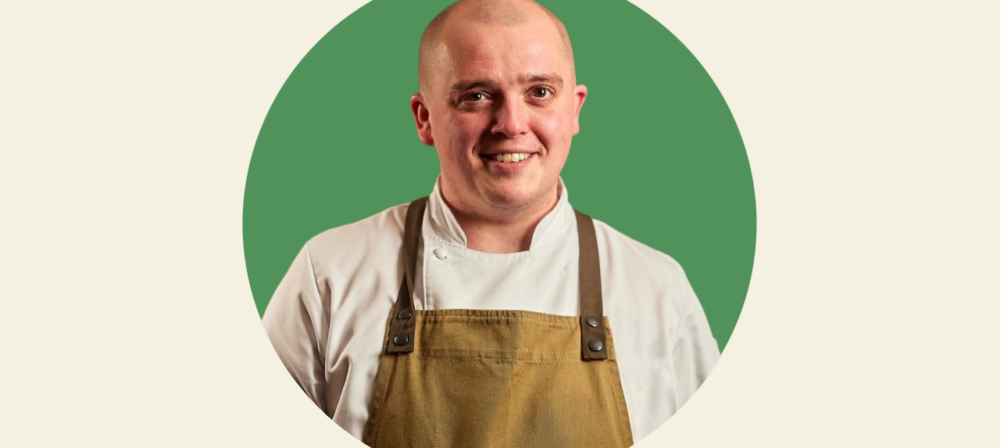
Two brilliant examples of that are Tim Brook and Moe El Mousa.


Tim Brook: Leadership, Experience and Calm Under Pressure

Tim joined the Ginger Brigade just two months ago, but in that short time, he has already made a real impact supporting our hospitality partnerships across Yorkshire.

Working as both a Relief Sous Chef and Relief Head Chef, Tim has stepped into kitchens that need experience, leadership, and confidence under pressure.

Sometimes that means leading a kitchen team through service. Other times, it means supporting Head Chefs who need reliable second-in-command cover to keep operations running smoothly.

What stands out about Tim is not just his technical ability, but the professionalism and attitude he brings to every shift.

As Tim shared:

“I’ve been working with Ginger for a month or 2 now. Everything has been really professional; the whole team are really helpful and supportive. Anything you need they are always here to help and answer any queries. Nice to know you are listened and valued as part of a team. Would 100% recommend working for these amazing people. Super proud to be part of this wonderful team.”

We are incredibly proud to have Tim representing the Ginger Brigade and supporting our partners in such an important way.


Moe: The Support Every Busy Kitchen Needs

Relief support in hospitality is not only about chefs.

Every successful kitchen depends on a team working together, and Kitchen Porters play a critical role in keeping service moving.

Moe is also a relatively new member of the Ginger Brigade, but he has already become an invaluable part of the team.

Supporting venues during busy periods, Moe has helped kitchens stay organised, efficient, and focused through high-pressure service.

That kind of reliability matters.

A strong Kitchen Porter keeps the whole kitchen flowing, reduces pressure on chefs, and helps service stay consistent when the pace increases.

Moe’s own experience with Ginger reflects the importance of feeling supported as part of that process:

“I’ve had a really positive experience working with Ginger Hospitality Agency. Victoria in particular has been very supportive, always ensuring I felt comfortable, safe, and satisfied with the roles I was placed in. She was my first point of contact when signing up with Ginger, and the experience has been excellent from the start. I would highly recommend the agency to anyone looking for hospitality work.”

His dedication has genuinely blown us away.


Why Relief Kitchen Support Matters More Than Ever

For hospitality operators, relief support is no longer just an emergency fix. It has become an important part of building a resilient kitchen team.

Immediate support when needed can protect service standards and prevent disruption during critical trading periods.

Flexible support also allows venues to scale up when demand increases without carrying unnecessary long-term staffing costs during quieter periods.

Just as importantly, relief support protects permanent teams from burnout.

When kitchens are already stretched, asking the same people to do more for longer often leads to exhaustion, mistakes, and ultimately losing valued team members altogether.

Experienced relief professionals provide breathing space.

And importantly, today’s relief professionals are not inexperienced stopgaps. Many are highly skilled chefs and hospitality professionals who actively choose flexible work because it suits their lifestyle and career goals.


The Ginger Brigade Difference

What makes strong relief support effective is not just availability. It is quality, fit, and trust.

Our Relief Brigade is made up of hospitality professionals who understand the realities of service, pressure, and teamwork.

That means our partners are not simply getting an available pair of hands. They are getting people who can integrate quickly, adapt to the pace of the kitchen, and genuinely support the team around them.

Tim and Moe are brilliant examples of exactly that.


Hospitality Is Built on People

Behind every successful service is a team making it happen.

Sometimes those people are permanent members of the business. Sometimes they are trusted relief professionals stepping in exactly when they are needed.
 

01200 890 890