One busy weekend can be managed.
Several busy weekends in a row feel very different.
By mid summer, hospitality teams are often moving from one strong service straight into the next. Friday night rolls into Saturday. Sunday lunch stays full. Events, sport, beer garden trade and domestic travel all add pressure to the rota.
This is why busy weekends in hospitality UK venues can feel so wearing during July and August. It is not only about how busy one shift becomes. It is about the repetition.
The pressure keeps coming, recovery time gets shorter, and teams are asked to deliver the same standard again and again.
Repeated Pressure Builds Slowly
Summer pressure does not always arrive dramatically.
It often builds in small ways. A chef takes on extra prep because the kitchen is short. A Front of House lead covers another section. A manager stays late to support close down. A team member says yes to one more shift because everyone else is stretched too.
At first, it can feel manageable. Over several weekends, it starts to show.
Hospitality Action’s Taking the Temperature 2025 report found that 57% of hospitality workers named under resourcing and understaffing as an issue. High expectations and excessive workloads were reported by 52%, while 47% said burnout is seen as part of the job.
That tells us something important. Summer pressure is not just about demand. It is about how much of that demand is carried by the same people.
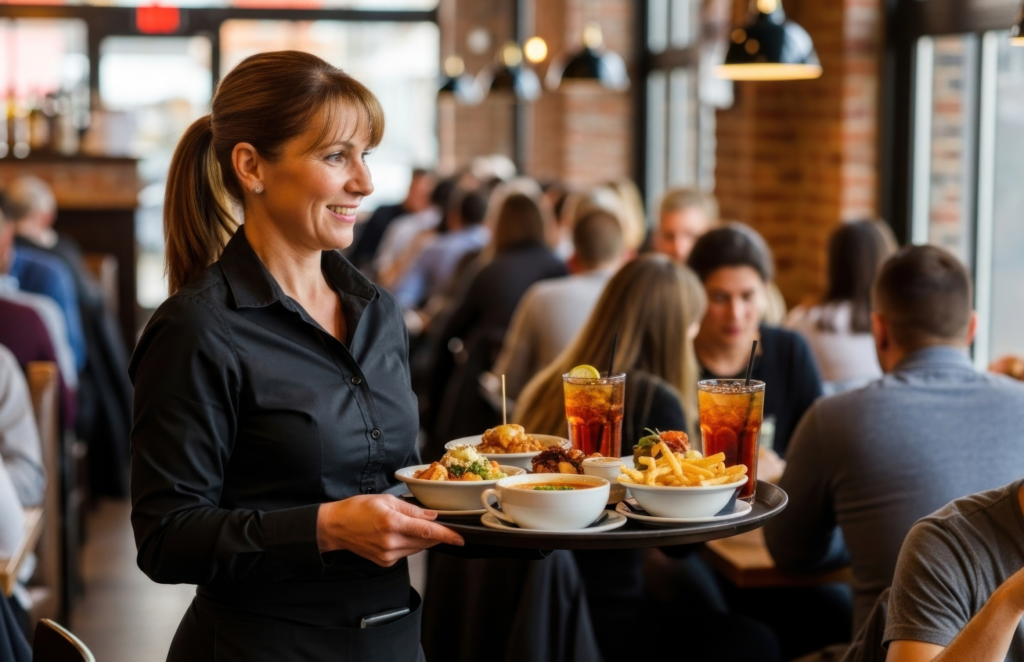
How Teams Feel the Strain
The Hospitality People Survey 2026 found that 36% of hospitality workers said work negatively affects their mental health, while 39% said it negatively affects their physical health. Work life balance was down to 53%, and happiness in role was down to 54%.
These figures reflect what many managers see in real teams during peak season.
People become quieter. Patience shortens. Small mistakes become more frequent. Communication can become clipped. Energy drops between services.
This does not mean teams are weak. It means they are human.
Hospitality teams are brilliant at pushing through busy periods, but repeated busy weekends need more than stamina. They need structure, rest, planning and support.
The Impact Across Bar, Floor and Kitchen
Repeated weekend pressure affects each part of the operation differently.
In the kitchen, pressure often shows up in prep time. Teams start each service with less margin. Specials take more work. Stock moves faster. The pass gets louder. If cover is thin, experienced chefs carry more responsibility than usual.
On the floor, the pressure is emotional as well as physical. Front of House teams manage guest expectations, delays, dietary questions, large bookings, and atmosphere. When the venue is busy every weekend, that constant guest facing energy takes its toll.
At the bar, speed and rhythm matter. Outdoor trade, live sport, warm weather and local events can all push drinks volume higher, especially in pubs and hotels with garden space.
None of these areas operate in isolation. When one part of the team is strained, the whole service feels it.
Strong Trade Still Needs Strong Teams
The commercial opportunity is real.
The OakNorth summer 2025 sector pulse, reported in The Morning Advertiser, highlighted that summer was expected to boost sales, especially for outdoor beer gardens, lighter menu options, local events, live music and sport.
CGA tracker coverage in The Morning Advertiser also showed managed pub groups performing strongly, with sales up 9.1% in April 2025 and 1.2% in June 2025. Pubs were the strongest major hospitality segment in both periods.
For operators, that is encouraging. Strong trade matters.
But strong trade only becomes a successful season when the team can deliver it consistently. A full venue is only positive if service holds, food stays sharp, and staff have enough capacity to keep going well.
Service Consistency Can Slip Quietly
Guests may not see the rota, but they feel the impact of it.
They notice if drinks take longer. They notice if food feels rushed. They notice if the welcome is less warm or the team feels under pressure.
In repeated busy weekends, consistency becomes harder to protect. Not because teams care less, but because the same people are carrying too much for too long.
This is why support during peak summer is not just about filling shifts. It is about protecting service quality across several weeks of demand.
How Operators Can Reduce the Strain
There is no single fix for summer pressure, but small operational decisions can make a real difference.
Reviewing the rota after each weekend helps spot patterns early. If the same people are covering every peak, that needs attention before fatigue builds further.
Adding support ahead of known pressure points can protect the core team. This might mean relief chefs for the busiest kitchen services, extra Front of House cover for outdoor trade, or bar support around events and sport.
Clear communication also matters. Teams cope better when they understand the plan, know where support is coming from, and feel that leadership has noticed the pressure.
The aim is not to remove all intensity from summer. That is hospitality. The aim is to stop intensity turning into overload.
Teams Need Support, Not Just Stamina
Busy weekends are part of peak summer hospitality. They bring energy, opportunity and atmosphere.
But when those weekends repeat without enough support, the strain becomes harder to ignore.
The strongest venues are the ones that recognise this early. They protect their people, steady their rotas and make sure service quality does not depend on the same team carrying every peak alone.
If your team is already feeling the effect of repeated busy weekends, Ginger is here to talk through practical support that helps keep summer manageable.