How Bank Holidays Impact Hospitality Staffing and Service

A Bank Holiday Can Make or Break a Week of Trading

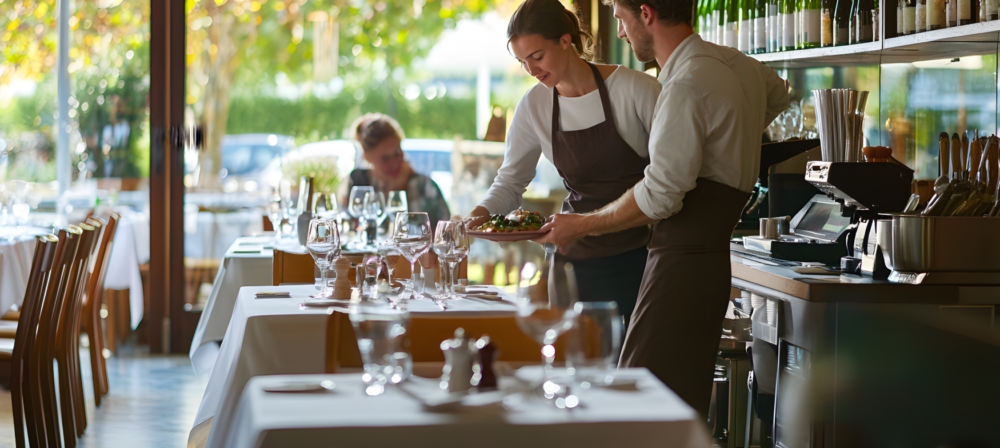
In hospitality, bank holidays are often seen as an opportunity.

More guests, more bookings, more spend.

But the reality is more complex. Bank holidays do not just increase demand. They change how hospitality operates.

For many venues, success over a bank holiday period is not decided by how busy it is, but by how well that pressure is handled.


The Demand Spike Is Real

The numbers are clear.

Bank holidays can drive around a 15 % uplift in sales, with an estimated £600 million in additional spend across the UK. On the surface, this looks like a straightforward boost.

But when you look closer at behaviour, the shift is more significant.

Data from ResDiary shows:

  • Restaurant dining increases by 26 %
  • Pubs and bars see a 52 % increase
  • 31 % of diners plan to spend more
  • 45 % of people combine outings with meals

This is not a routine demand. It is experience-led demand.

Guests are not just going out for food. They are building their day around it. That changes expectations, pacing, and pressure on service.


Why Demand Becomes Unpredictable

The real challenge is not just volume. It is variability.

Bank holiday trade is heavily influenced by factors outside of a venue’s control.

Weather plays a major role. A warm day can drive a surge in walk-ins, particularly for pubs, terraces and outdoor spaces. A change in forecast can shift demand within hours.

Travel patterns also come into play. PwC insights show increased domestic travel, higher occupancy levels, and more events taking place over these weekends. This means demand moves, not just grows.

One location may be quiet while another experiences a sudden spike.

Booking patterns follow the same trend. Some guests plan ahead, while others make last-minute decisions based on weather or plans changing.

This creates a compressed and unpredictable demand curve that is difficult to manage with static planning.


The Staffing Challenge Under Pressure

This is where the operational pressure becomes clear.

Unlike other peak periods, bank holidays do not allow time to react. There is no opportunity to hire additional staff at short notice or adjust team structures once demand becomes clear.

Instead, operators are left managing:

  • Sudden increases in covers
  • Unplanned walk-in traffic
  • Extended service periods
  • Team fatigue across consecutive busy days

If staffing is not aligned to demand, the pressure falls on existing teams.

That often leads to longer hours, reduced breaks, and increased stress during service.


The Service Risk When Staffing Falls Short

When staffing does not match demand, the impact is immediate.

Service slows down. Orders take longer. Communication between kitchen and floor becomes strained.

Guests notice.

On bank holidays, expectations are higher. These are not everyday visits. They are occasions. People are spending more, gathering in groups, and expecting an experience that matches it.

When that experience falls short, it affects more than just that shift. It impacts reviews, repeat visits, and overall revenue.

Missed opportunities during peak demand are difficult to recover.


What Preparation Actually Looks Like

The venues that handle bank holidays well tend to follow a similar approach.

They plan earlier.

Rotas are built with demand in mind, not just standard trading patterns. Peak periods are identified in advance, and staffing is structured to reflect them.

Flexibility is built into the team.

Rather than relying on a fixed rota, there is capacity to adjust based on how the weekend unfolds. This might include extended shifts, additional support, or planned cover.

Contingency is considered.

Operators who prepare for the unexpected are better positioned to handle it. Whether that is weather-driven demand or last-minute changes, having a backup plan reduces pressure in the moment.


Where Strong Support Makes the Difference

For many venues, the difference between a smooth bank holiday and a difficult one comes down to having the right support in place.

Not just more people, but the right people, available when needed.

This might mean having access to reliable relief chefs or Front of House staff who understand the pace of service. It might mean planning cover in advance rather than reacting to gaps as they appear.

The key is flexibility.

Having options allows operators to stay in control, even when demand shifts quickly.


Bank Holidays Reward Preparation

Bank holidays are some of the most valuable trading periods in hospitality.

But they are also some of the most demanding.

They compress demand, raise expectations, and test the strength of both teams and planning.

The venues that succeed are not always the busiest. They are the ones that are best prepared.

Because while bank holidays can drive revenue, they also expose gaps.

And in hospitality, preparation is what turns pressure into performance.
Preparing for Summer Starts with the Right People: Everything Retreat

When hospitality businesses prepare for busy trading periods, the conversation often focuses on seasonal pressure, relief support, and short-term cover.

But some of the strongest operators take a longer view.

They look at their team structure early, identify where leadership and consistency will matter most, and strengthen their permanent team before the pressure arrives.

That is exactly the kind of forward planning we love to see, and a brilliant example of that is our partnership with Everything Retreat and their recent appointment of Maizie Holt as Front of House Supervisor.


A Hospitality Destination Built Around Experience

Everything Retreat is not your typical hospitality venue.

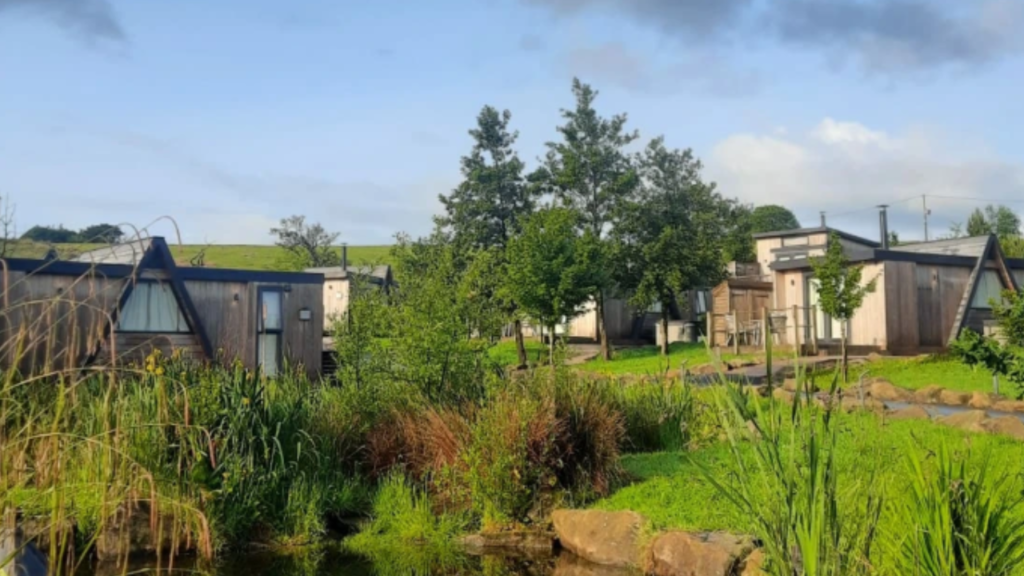
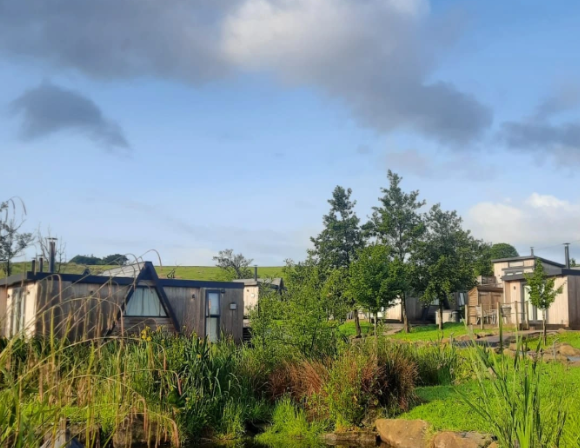
Set in the heart of the Ribble Valley countryside, it has built a reputation as Lancashire’s first ultra-luxury, adults-only micro resort, offering guests a full experience rather than simply a stay.

With luxury lodges, spa treatments, wellness experiences, and the guest-only Balance Bar & Restaurant, service standards are naturally a huge part of the guest journey.

For businesses like this, Front of House is not just operational support. It is central to the overall experience.
Every interaction matters, from the first welcome through to dining service, guest requests, and the atmosphere created throughout a stay.

That makes having the right people in leadership positions even more important.


Strengthening the Team for the Season Ahead

As hospitality businesses move towards busier seasonal periods, permanent hires can make a significant difference to stability, consistency, and service delivery.

For a venue like Everything Retreat, where guest experience sits at the heart of the brand, building that strong permanent structure ahead of summer is a smart move.

By investing in a Front of House Supervisor now, they are not simply filling a vacancy. They are strengthening the team, protecting service standards, and creating the kind of consistency that busy periods demand.


Meet Maizie

Maizie is exactly the kind of hospitality professional we love to champion.

Before securing her full-time role with Everything Retreat, Maizie had already worked with Ginger Hospitality as part of the Ginger Brigade, completing relief assignments and consistently demonstrating her passion for guest experience and hospitality service.

She stood out for all the right reasons.

Her dedication to understanding guest needs, her professionalism, and her commitment to delivering exceptional service made a lasting impression.

Now, in her role as Front of House Supervisor, Maizie is taking on responsibilities including:

  • Overseeing daily Front of House operations to ensure smooth and consistent service
  • Leading shifts while maintaining high hospitality standards
  • Acting as a key point of contact for guests
  • Supporting training and development within the Front of House team
  • Assisting with rotas, service planning, and organisation
  • Working closely with management to deliver seamless guest experiences

It is incredibly exciting to see passionate hospitality professionals like Maizie stepping into leadership roles and bringing fresh energy into the industry.


From Relief Support to Permanent Growth

One of the things we love most about hospitality recruitment is seeing journeys like this unfold.

Relief work often gives hospitality professionals the opportunity to develop confidence, broaden experience, and find the environments where they can thrive.

For Maizie, that journey has now led to a permanent leadership role within a venue that aligns beautifully with her strengths.

Her own words say it best:

“Everyone has been so lovely to me and helped me with every question I could possibly have! I really enjoy working at Everything Retreat, and I couldn’t ask for a better experience from interviewing and completing trail shifts. I was helped every step of the way. Everyone at Ginger Hospitality are such a great help and I couldn’t be more grateful!”

Feedback like this means a great deal, because it reflects exactly the kind of experience we aim to create.


Partnership That Supports Long-Term Success

Our partnership with Everything Retreat is built on understanding their business, their standards, and the kind of people who fit their culture.

That is what true hospitality partnership should look like.

Not just filling roles when pressure appears, but supporting businesses to build stronger teams that are ready for growth, busy periods, and long-term success.

The decision to strengthen the permanent Front of House team ahead of summer is exactly the kind of proactive thinking that helps hospitality businesses perform at their best.


Congratulations, Maizie

A huge congratulations to Maizie on her new role as Front of House Supervisor at Everything Retreat.

It has been brilliant to watch her journey so far, from the Ginger Brigade into this exciting next chapter, and we cannot wait to see her continue to flourish.

And to the team at Everything Retreat, thank you for continuing to trust us as your hospitality partner.

Summer may be approaching, but the strongest preparation always starts with the right people.
 

01200 890 890

From the Ginger Brigade to Head Chef at Rothay Manor: Simon Ulph’s Journey

There are some stories in hospitality that feel especially meaningful, and this is absolutely one of them.

We are incredibly proud to celebrate Simon Ulph’s appointment as the new Head Chef of Rowan at Rothay Manor, the award-winning boutique hotel in Ambleside.

Watching talented people grow in this industry is always rewarding, but Simon’s journey feels particularly special to us because we have had the privilege of being part of it for several years.

From working as a valued member of the Ginger Brigade to securing major permanent career moves, and now stepping into a Head Chef role at one of the Lake District’s most respected hospitality destinations, Simon’s progression is exactly the kind of hospitality story we love to celebrate.


Part of the Ginger Brigade Since 2022

Simon first worked with Ginger Hospitality in 2022 as part of our Ginger Brigade, supporting venues on relief assignments.

From the beginning, he stood out.

Not just because of his obvious skill in the kitchen, but because of his attitude, professionalism, and commitment to the craft. Anyone who has worked in hospitality knows technical skill matters, but attitude is what truly makes someone memorable.

Simon was a fantastic member of the brigade. Reliable, dedicated, and someone venues genuinely enjoyed having in the kitchen.

Later, we were proud to support Simon into a permanent Sous Chef role at Gilpin Hotel & Lake House, a move that became a defining step in his career.


A Career That Continues to Climb

Since then, Simon’s journey has continued at an impressive pace.

His career has included experience in some exceptional kitchens, including The Ledbury, St Leonards in London, Climat in Manchester, Northcote, and The Gilpin, before most recently working as Executive Chef at The Stafford London alongside Michael Caines, helping secure a Michelin star for the hotel’s flagship restaurant.

Now, Simon takes the lead at Rowan at Rothay Manor, where he will oversee a new culinary chapter for the restaurant, introducing fresh à la carte, house, and signature tasting menus built around modern British cooking, with European and Japanese influences.

It is an exciting appointment for Rothay Manor, and a remarkable milestone in Simon’s career.


Simon’s Words Mean a Lot

Seeing Simon’s success is one thing. Hearing his own reflection on the journey makes it even more meaningful.

As Simon shared:

“Ginger Hospitality has played a key part in my career, they placed me in a permanent role that was definitely a defining moment in my career, I owe Angela, Hannah and the team a hell of a lot.”

Hospitality is built on relationships, trust, and shared experiences, so feedback like this genuinely means the world to our team.


Now Working Together in a New Way

What makes this story even more exciting is that this is not the end of our connection with Simon.

Rothay Manor is one of our dedicated hospitality partnerships, which means we now have the privilege of working alongside Simon in a completely new chapter of his career.

That full-circle moment is something we do not take lightly.

Supporting someone during one stage of their career, then seeing them grow into leadership and becoming part of a venue partnership we actively support, is exactly why we love this industry.


Congratulations, Simon

Simon’s appointment is incredibly well deserved.

His talent, dedication, and passion for hospitality have been clear from the start, and it has been brilliant to watch that journey unfold.

We are hugely excited to see what he creates at Rowan, and equally excited to continue working alongside both Simon and the fantastic team at Rothay Manor.

Congratulations, Simon. We will be cheering you on every step of the way.
 

01200 890 890

Why Flexible Staffing Is Becoming Essential for Hospitality Teams

The Way Hospitality Teams Are Built Is Changing

For years, hospitality teams followed a familiar structure. A core permanent team, supported by occasional temporary cover when things got busy.

That model is no longer holding up.

Demand has become less predictable, recruitment remains challenging, and workforce expectations have shifted. In 2026, flexible staffing is not just a short-term solution. It is becoming a core part of how strong hospitality teams operate.


The Pressure on Traditional Staffing Models

Across the industry, operators are facing a combination of pressures that are difficult to ignore.

Vacancies remain high, and many roles are taking longer to fill. According to recent hiring insights, more than half of hiring managers continue to struggle to recruit, particularly for skilled roles.

At the same time, cost pressures are rising. Labour, energy, and supplier costs are all increasing, making it harder to carry excess staffing just in case demand spikes.

This creates a challenge. Teams need to be lean enough to remain profitable, but strong enough to deliver consistent service during busy periods.

Traditional fixed staffing models struggle to balance both.


The Rise of Flexibility Across the Workforce

At the same time as business pressures increase, workforce expectations are evolving.

Flexibility is no longer seen as a benefit. It is expected.

Research shows that workers are placing greater value on autonomy, work-life balance, and control over when and how they work. This shift is closely linked to the growth of the wider gig economy, where flexibility and choice are central.

However, this does not mean people want instability. While flexible work is attractive, concerns around income consistency and security still exist.

This creates a new expectation. Workers want flexibility, but within a structure that feels reliable and supportive.


Why Flexible Staffing Works for Hospitality

For operators, flexible staffing offers a way to respond to both business and workforce changes.

It allows teams to scale up during busy periods and scale down during quieter times without overcommitting on fixed costs. This is particularly valuable during seasonal peaks, events, and unpredictable trading patterns.

Flexible staffing also helps cover short-term challenges such as sickness, holidays, and last-minute call-offs, reducing pressure on permanent teams.

According to industry data, 65 % of businesses plan to increase their use of contingent labour, recognising its value in managing demand and maintaining service standards.

This is the key shift. Flexible staffing is no longer reactive. It is planned.


The Risks of Getting Flexibility Wrong

While the benefits are clear, flexible staffing is not without its challenges.

One of the most common concerns raised by operators is inconsistent quality. Industry reports show that a significant number of businesses experience issues with reliability, skill level, or cultural fit when using temporary staff.

Without proper vetting, onboarding, and communication, flexible staffing can create as many problems as it solves.

This is where structure becomes essential. Flexibility without consistency does not work in a service-led industry.


What a Strong Flexible Staffing Approach Looks Like

The most effective hospitality teams are not choosing between permanent and flexible staff. They are combining both in a way that works for their operation.

A strong approach includes:

  • A stable core team that maintains culture and consistency
  • Flexible support that is planned, not reactive
  • Clear communication and expectations for all staff
  • Reliable people who understand hospitality environments
  • A partnership approach rather than one-off bookings

When done well, flexible staffing strengthens the team rather than disrupting it.


A Smarter Way to Build Hospitality Teams

Across the venues we work with, there is a clear shift in mindset.

Flexible staffing is no longer treated as a last-minute solution. It is part of the overall staffing strategy, used to protect teams, maintain service standards, and manage cost pressures more effectively.

The focus is not on replacing permanent staff, but on supporting them.


Final Thought

Hospitality demand is not predictable. Workforce expectations have changed. And the pressure on teams is only increasing.

In this environment, fixed staffing models alone are no longer enough.

Flexible staffing is not just a trend. It is how modern hospitality teams are being built.

The venues that recognise this early are the ones creating stronger, more resilient teams for the future.

What Makes a Strong Relief Chef in Today’s Hospitality Industry

A chef can be technically excellent, experienced, and reliable in their own kitchen, but that does not always translate into success as a relief chef.

In today’s hospitality industry, the expectation has shifted. A strong relief chef is not just someone who can cook. They are someone who can walk into a new kitchen, understand it quickly, and deliver from the first service.

That difference matters more now than ever.


The Role of a Chef Has Changed

Across the UK, hospitality businesses are operating with tighter teams and less room for error.

Industry data from UKHospitality and Moore Kingston Smith highlights ongoing labour shortages, high staff turnover, and increasing pressure on service delivery. Many kitchens are running leaner brigades, which means every person on shift plays a critical role.

At the same time, the Institute of Hospitality points to growing skills gaps across the sector, particularly around adaptability and operational awareness.

The result is clear. Kitchens no longer have the capacity for long onboarding periods or slow integration. Every chef, especially relief chefs, needs to contribute immediately.


Why Relief Chefs Matter More Than Ever

Relief chefs are no longer just a short-term fix. They have become an essential part of how many kitchens operate.

They provide flexibility during busy periods, cover unexpected absences, and help maintain consistency when permanent teams are stretched.

In the right environment, a strong relief chef can protect standards, support the brigade, and allow the business to continue trading at full capacity.

But the opposite is also true. The wrong fit can slow service, increase pressure, and disrupt team flow.

This is why the definition of a “strong” relief chef has evolved.


The Traits That Actually Matter

Adaptability Across Kitchens

No two kitchens operate in exactly the same way. Different menus, different systems, different expectations.

A strong relief chef can step into that environment and adjust quickly. They read the kitchen, understand how it runs, and work with it rather than against it.


Speed of Integration

There is no time for long introductions.

Relief chefs need to pick things up quickly, understand their section, and fit into the brigade from the first shift. This includes recognising team dynamics, communication styles, and service flow.

The faster they integrate, the smoother the service.


Consistency Under Pressure

Hospitality is fast-paced, high-pressure, and often unpredictable.

A strong relief chef maintains standards regardless of the situation. Whether it is a busy Saturday service or a new menu they have not worked with before, consistency is what makes them reliable.


Clear Communication

Relief chefs do not work in isolation.

They need to communicate effectively with both Back of House and Front of House teams, take direction from senior chefs, and contribute to the overall flow of service.

Strong communication prevents mistakes, reduces friction, and supports the whole team.


Professionalism and Reliability

Turning up prepared, on time, and ready to work is non-negotiable.

A strong relief chef brings a level of professionalism that reassures the kitchen. They are dependable, low risk, and focused on doing the job well without adding pressure to the team.


Where It Can Go Wrong

Not every placement works, and when it does not, the impact is immediate.

Common issues include slow integration into the kitchen, lack of flexibility when adapting to new systems, or a mismatch with the existing team.

In a busy service, even small gaps in performance can quickly affect the entire operation.

This is why expectations around relief chefs have become sharper. Kitchens need people who can contribute straight away, not learn over time.


What Strong Support Looks Like

Behind every strong relief chef is preparation and clarity.

Chefs perform best when they understand what is expected before they arrive. Clear briefs, realistic role expectations, and open communication all make a difference.

Equally, venues benefit from working with chefs who are not only skilled, but also prepared for the environment they are stepping into.

This is where the right support around both the chef and the business becomes important. When expectations are aligned on both sides, relief staffing becomes a solution rather than a risk.


A Shared Standard for Chefs and Venues

For chefs, the opportunity is clear. Being able to adapt, integrate quickly, and deliver under pressure is what sets strong relief chefs apart in today’s market.

For venues, the expectation is just as clear. Relief chefs should not just fill a gap, they should maintain the standard.

The hospitality industry has changed, and the role of the relief chef has evolved with it.

Those who understand that shift are the ones who keep service strong, even when the pressure is at its highest.

The Early Signs Your Venue Will Need Extra Support This Summer

The Busiest Summers Rarely Feel Sudden

For most hospitality operators, the toughest summer periods do not come out of nowhere.

They build gradually.

Rotas take a little longer to complete. Teams feel slightly more stretched. Small gaps start to appear. None of it feels urgent at first, but over time, these small signals begin to stack up.

By the time summer is in full swing, those early signs have often turned into real pressure.

Recognising them early is what allows you to stay ahead.


The Pressure Is Already Building

Across the industry, staffing decisions are becoming more complex.

Labour remains the largest cost line for most hospitality businesses, and that cost continues to rise. Wages, National Insurance, pensions and overtime are all increasing, placing added pressure on already tight margins.

At the same time, service expectations have not changed. In many cases, they have increased. Particularly in premium and experience-led venues, guest expectations around service, pace and attention to detail continue to grow.

This creates a balancing act. Teams need to deliver more, while businesses manage higher costs and tighter control over labour.

Temporary cover is often part of that solution, but it is also becoming more expensive and harder to secure at short notice.


Teams Are Under More Strain Than They Show

On the surface, many teams appear stable.

But recent industry data tells a more nuanced story.

Work-life balance satisfaction has dropped to 53 %. Overall happiness has fallen to 54 %, down significantly from previous levels. Around 36 % of hospitality workers say their job is negatively impacting their mental health.

At the same time, only just over half of workers say they are likely to stay in their current role.

These are not always visible issues during day-to-day service. But they influence energy levels, engagement, and resilience as pressure builds.

It is also worth noting what keeps people in place. The majority say working with a strong team matters most, followed closely by opportunities for growth and development.

That means stability is not guaranteed. It needs to be supported.


Why Small Issues Become Bigger Problems

In hospitality, timing matters.

When early signs are missed, small operational challenges can quickly become more difficult to resolve.

Delays in hiring or planning reduce the available candidate pool. Costs increase as urgency rises. Teams begin to rely more heavily on a smaller number of people, which can accelerate fatigue and increase the risk of absence or turnover.

At the same time, service does not pause. Guest demand continues to rise into summer, which means pressure builds at exactly the point where flexibility is needed most.


The Signs Operators Often Miss

These early signals are rarely dramatic. They tend to show up in small, everyday moments.

  • Rotas taking longer to build than usual
  • More compromises being made when filling shifts
  • Increased overtime across the team
  • Key individuals being relied on more heavily
  • Last-minute changes becoming more frequent
  • Reduced flexibility when unexpected gaps appear
  • Managers stepping into operational roles more often

Individually, these do not always feel like a problem. Together, they often point to a team that is starting to stretch.


What Recognising It Early Allows You To Do

Spotting these signs early does not mean reacting immediately. It means having the time to make considered decisions.

It allows you to plan rather than respond. To protect your team before pressure peaks. To maintain service standards without relying on last-minute fixes.

Most importantly, it gives you control.

Summer will always bring volume, pace and pressure. But how that pressure is managed is often decided weeks in advance, not on the day.


A More Measured Approach to Summer Support

For many venues, having access to additional support is not about replacing their team. It is about strengthening it.

Whether that means bringing in extra help for known busy periods, supporting kitchen teams during peak weekends, or creating a bit more breathing room within the rota, the goal is the same.

To keep service strong while protecting the people delivering it.

The venues that navigate summer best are rarely the ones reacting the fastest. They are the ones who recognised the signs early and adjusted before they had to.

How to Prepare Your Hospitality Team for a Busy Summer Season

Summer Success Is Built Before It Arrives

Every year, summer brings opportunity. More guests, fuller bookings, and stronger trading periods.

But it also brings pressure.

The difference between a smooth summer and a stressful one is rarely what happens during service. It is what happens in the weeks leading up to it.

In 2026, that preparation matters more than ever.


Preparation Is No Longer Optional

Across the industry, the way operators approach summer is shifting.

Costs are rising across wages, tax and labour. At the same time, promotions have increased by 23 %, with 35 % of diners actively looking for discounts. Margins are tighter, and relying on short term fixes is becoming less effective.

This has led to a clear shift in strategy.

Operators are moving away from reactive decisions and towards longer term planning. The venues that perform best are not waiting for summer to arrive. They are building towards it.


Your Guests Have Changed Too

It is not just volume that is changing. Guest behaviour is evolving as well.

Data shows that 32 % of diners are skipping desserts, while 40 % are choosing smaller or alternative menu options. At the same time, there is growing demand for personalised offers, flexible dining, and experiences that feel relaxed but still high quality.

This means summer service is not just busier. It is more varied.

Teams need to be able to adapt to different guest expectations, understand menu flexibility, and deliver consistent service across a wider range of behaviours.

Preparation is no longer just about covering shifts. It is about preparing teams for how guests actually dine today.


Strong Teams Are Built, Not Just Filled

One of the biggest misconceptions going into summer is that a full rota equals a ready team.

In reality, the most successful venues focus on capability, not just headcount.

Hospitality teams are expected to meet clear standards across food hygiene, health and safety, fire safety and data protection. Beyond compliance, they also need to understand service style, guest expectations and how to handle pressure during busy periods.

Training plays a key role here.

Regular refresh training and role specific guidance ensure that teams are confident and consistent. Without this, even experienced staff can struggle when pace increases.

A prepared team is one that knows what is expected and feels equipped to deliver it.


Systems and Planning Matter More Than Ever

Planning tools are becoming a standard part of hospitality operations.

Around 74 % of operators are now using AI driven tools to support demand forecasting, bookings and operational planning. While not every venue needs advanced systems, the direction is clear.

Better planning leads to better outcomes.

Understanding peak times, booking patterns and staffing needs in advance allows operators to make more informed decisions. It reduces last minute changes, improves team confidence and helps maintain service standards during busy periods.

Even simple improvements in planning can have a noticeable impact.


What Prepared Venues Are Doing Now

Across the industry, there is a clear pattern in how operators are getting ready for summer.

They are reviewing rotas earlier, making sure shift patterns reflect real trading demand rather than habit.

They are refreshing training, ensuring teams are confident in both compliance and service delivery.

They are building flexibility into their teams, creating options for cover during peak periods rather than relying on last minute solutions.

And they are planning for pressure points, such as weekends, events and seasonal spikes, before they become problems.

These are not complex changes. But they are proactive ones.


A Calmer Summer Starts with Better Preparation

Summer will always bring pressure. That is part of the industry.

But pressure does not have to mean chaos.

The venues that feel in control during busy periods are the ones that prepare early, build strong teams, and create structure around their operations.

For some, that means adjusting rotas. For others, it means strengthening training or introducing more flexibility into their staffing approach.

Support can also play a role. Having access to the right people at the right time can ease pressure and protect your core team when demand increases.


Final Thought

Preparing your hospitality team for summer is not about doing more. It is about doing the right things earlier.

When your team is ready, your service follows.

And when your service is strong, everything else becomes easier.

Why Summer Rotas Start to Tighten Earlier Than Expected

Summer Rota Pressure Does Not Start in Summer

For many hospitality teams, the pressure of summer rotas feels like it arrives suddenly.

In reality, it starts much earlier.

By the time July arrives, most of the pressure points are already in place. Staffing gaps, stretched teams, and tighter rotas are not caused by peak demand alone. They are the result of shifts happening in the months leading up to it.

Understanding why this happens is what allows operators to stay ahead of it.


The Reality of Staffing Shortages

The starting point is simple. There are not enough people available.

Recent figures from UKHospitality estimate around 132,000 vacancies across the sector, with vacancy levels still significantly higher than before the pandemic. In kitchens, the pressure is even more pronounced, with shortages in production roles reaching up to 21%.

This creates a smaller, more competitive talent pool.

As demand begins to build into spring, operators are already drawing from the same limited group of available staff. This naturally tightens rotas earlier than expected, as roles take longer to fill and availability becomes more restricted.


Teams Are Already Carrying Pressure

Rota pressure is not just about numbers. It is also about how teams are feeling.

Research from Hospitality Action highlights the level of strain already present across the workforce:

  • 60% say work-life balance is their biggest challenge
  • 44% cite mental health concerns
  • 42% highlight financial pressure
  • 76% have experienced mental health issues during their career

This tells a clear story.

Teams are not entering summer fresh. They are often already stretched from ongoing workload, unpredictable schedules, and the cumulative pressure of the role.

When demand begins to rise, even slightly, that pressure increases quickly.


Why Rotas Are Harder to Build Than They Look

On the surface, building a rota can seem straightforward. In practice, it is one of the most complex parts of hospitality operations.

Insights from Papershift highlight several factors that make rota planning particularly challenging:

  • A high proportion of part time staff
  • Seasonal and temporary team members
  • Daily fluctuations in demand
  • Last minute bookings and changes

These variables mean rotas are rarely fixed. They are constantly shifting.

When planning is reactive or overly manual, it can also become inefficient. In some cases, spreadsheet based rota planning has been shown to increase costs by up to 17%.

The result is a system that can feel fragile, especially when demand begins to increase.


Why This Shows Up Earlier Each Year

When you combine these factors, it becomes clearer why rota pressure builds earlier than expected.

Demand begins to increase as guest behaviour shifts into spring. At the same time, the available workforce is already limited, and existing teams are carrying pressure.

Layer in the complexity of rota planning itself, and even small increases in demand can have a noticeable impact.

What might feel like a sudden issue in early summer is often the result of gradual pressure building over time.


What Strong Operators Are Doing Differently

Across the industry, there is a growing shift in how operators approach rota planning.

Rather than waiting for pressure to appear, many are preparing earlier and building more flexibility into their teams.

This includes:

  • Planning rotas further in advance
  • Allowing space for flexibility within the schedule
  • Anticipating peak periods rather than reacting to them
  • Building contingency into staffing plans

These changes are not about overcomplicating the process. They are about reducing pressure before it reaches a tipping point.


A More Supported Approach to Summer Rotas

There is no perfect rota. Hospitality will always involve change, unpredictability, and fast decision making.

But the difference often comes down to how supported the team behind that rota is.

For some operators, that support comes from planning earlier. For others, it includes bringing in additional help during key periods to protect their core team and maintain service standards.

Having access to reliable, flexible support when needed can ease pressure without disrupting the structure of the business.


Final Thought

Summer rota pressure is not a sudden challenge. It is something that builds over time.

The earlier it is recognised, the more options there are to manage it calmly and effectively.

For hospitality teams, the goal is not just to cover shifts. It is to create a structure that supports people, maintains service, and allows the business to perform at its best during the busiest time of year.

And that starts long before summer arrives.

What Hospitality Teams Are Already Seeing as Summer Demand Builds

One of the biggest misconceptions in hospitality is that summer demand arrives suddenly.

In reality, it builds.

Across the industry, teams are already seeing the early signs. Busier weekends. Longer bookings. More forward planning from guests. What happens in July is shaped by what is happening now.

Understanding this shift early is what allows operators to prepare properly, rather than react under pressure later.


Demand Is Seasonal, But the Build Has Already Started

Hospitality demand has always followed a seasonal pattern, and summer remains one of the strongest trading periods of the year.

Research from Propeller highlights how this plays out in practice, with venues moving into a phase where outdoor spaces fill, events increase, and guest numbers rise steadily. The image of beer gardens filling up is not a peak moment. It is the result of weeks of behavioural change leading into summer.

For operators, this means adapting early.

Menus shift. Spaces open up. Service styles evolve. The venues that respond to this gradual build tend to handle peak periods more smoothly.


More Bookings, But Shorter and More Frequent Visits

Booking behaviour is also changing.

Data from UKHospitality and SiteMinder shows that while demand is becoming more consistent across the year, summer still drives higher spend and pricing. July remains the most expensive month for UK stays, with average rates around £215.

At the same time, guest behaviour is becoming more fragmented:

  • 80.5 percent of stays are just one night
  • 69 percent of guests are domestic

This creates a different kind of pressure.

Rather than long, predictable bookings, venues are managing higher turnover, more frequent check-ins, and a constant flow of new guests. For restaurants and pubs, this translates into more covers, quicker table turns, and less margin for error.

Consistency becomes critical.


Guests Are Going Out With Purpose

Consumer behaviour is also evolving.

Research from DesignMyNight shows a clear shift towards more intentional, experience-led hospitality. Guests are not just going out more. They are choosing where they go more carefully.

Key trends include:

  • Group dining searches increasing by 28 percent
  • Strong growth in competitive socialising
  • Increased demand for late-night dining
  • Pub visits rising by 10 percent month on month

This points to a more complex type of demand.

Guests are looking for occasions, not just meals. They want atmosphere, experience, and something worth their time. For operators, this means expectations are higher, even on standard service days.


What This Means for Hospitality Teams

When you combine these trends, a clear picture starts to form.

Summer demand in 2026 is not just about volume. It is about:

  • Higher frequency of bookings
  • Greater variety in guest needs
  • Increased expectation around experience
  • More pressure on consistency across every shift

This has a direct impact on teams.

Front of House are managing more dynamic service. Kitchens are balancing speed with quality under sustained pressure. Managers are coordinating rotas that need to flex with changing demand.

The challenge is not just being busy. It is being busy in a more complex way.


Why Early Planning Changes Everything

The teams that perform best in summer are rarely the ones who react the fastest. They are the ones who prepared the earliest.

That preparation often starts now.

Reviewing booking patterns. Adjusting rotas. Planning for peak weekends. Considering where additional support might be needed before it becomes urgent.

Across the venues we speak to, there is already a noticeable shift towards earlier planning. Operators are recognising that waiting until June or July limits options.


A Smarter Way to Approach the Season Ahead

There is no single solution to managing summer demand.

But there is a consistent theme among operators who handle it well. They treat staffing, service, and planning as part of one system rather than separate challenges.

That might mean:

  • Building more flexibility into rotas
  • Preparing teams for higher turnover service
  • Introducing additional support during known peak periods

For some, it also means bringing in external support earlier, rather than relying on last-minute fixes.


Final Thought

Summer demand is already building.

The signs are there in booking patterns, guest behaviour, and the pace of service across the industry. What happens next will depend on how early that shift is recognised and acted on.

Because in hospitality, the busiest moments are not created overnight.

They are built, one decision at a time, in the weeks leading up to them.

How to Build a Summer Team That Actually Stays

Every summer, hospitality businesses invest huge amounts of time and energy into recruitment. Roles get filled, rotas look healthy, and the season begins with optimism. But too often, teams begin to thin out just as pressure peaks.


Hiring for Summer Is One Thing. Keeping That Team Is Another.

In 2026, hospitality staff retention is no longer a secondary concern. It is one of the biggest cost and performance drivers in the industry. Losing trained people mid-season affects service quality, increases workload on remaining staff, and creates a cycle of constant recruitment that drains leadership time.

The venues that perform best through summer are not just the ones that hire well. They are the ones who build teams people want to stay part of.


Why Retention Matters More Than Ever in 2026

Research consistently shows that turnover is one of the highest hidden costs in hospitality. KitchenCut data highlights that workers most often leave due to lack of training, inflexible shifts, burnout, and poor leadership support.

Summer intensifies these issues. Longer hours, fewer quiet days, and rising guest expectations put pressure on both kitchen and Front of House teams. Without the right support structures, even well intentioned staff can reach a breaking point.

Retention is not about keeping everyone forever. It is about creating an environment where people feel able and willing to see the season through.


Six Proven Ways to Improve Hospitality Staff Retention This Summer

Clear and Early Rotas

Publishing rotas early with clear role expectations reduces anxiety and builds trust. Teams who know what their weeks look like can plan their lives and recover properly between shifts. This stability is one of the strongest predictors of summer staff retention.


Regular Wellbeing Check Ins

Mental health support does not need to be formal to be effective. Simple check ins from managers, asking how shifts are feeling and where pressure is building, help staff feel seen. These conversations often prevent small issues from becoming resignation triggers.


Upskilling and Mentoring

KitchenCut research shows that lack of development is a key reason people leave. Offering mentoring, cross training, or small responsibility increases helps staff see a future beyond the next busy weekend. Growth keeps people engaged.


Flexible Working Where Possible

Honouring reasonable flexibility requests improves loyalty. This might include preferred shifts, fixed days off, or adjusted hours during quieter weeks. Flexibility does not mean losing control. It means working with people rather than against them.


Small but Meaningful Incentives

Retention incentives do not need to be expensive. Paid breaks, team meals, end of season bonuses, or public recognition all reinforce effort. These gestures signal that contribution is noticed, especially during high pressure periods.


Technology That Makes Life Easier

Tools that allow staff to view rotas, request leave, and swap shifts easily reduce frustration. When basic admin is smooth, teams have more energy for service and collaboration.


What Great Hospitality Culture Actually Looks Like

Culture is often talked about but rarely defined. In practice, strong hospitality culture shows up in communication, consistency, and respect.

Teams stay where expectations are clear, feedback flows both ways, and leadership is visible during busy services. They stay where mistakes are handled fairly and effort is acknowledged.

Ginger insight shows that the most loyal relief teams we work with return year after year because of clarity, communication, and mutual respect. These same principles apply to permanent and seasonal teams.

Culture is not a perk. It is the daily experience of working in your venue.


Build Retention Into Summer From the Start

Hospitality staff retention in summer 2026 will define which venues thrive and which struggle. Once a team feels stretched beyond support, it is often too late to recover momentum.

The most effective retention strategies are not reactive. They are built into rotas, leadership habits, and communication from the start of the season.

Teams stay where they feel supported. Building that support now is one of the smartest investments a venue can make for the summer ahead.