By July, hospitality teams are not just busy. They are carrying the weight of repeated services, staff holidays, outdoor trade, events, and guest expectations that keep rising through peak summer.
This is where hospitality staffing support in the UK becomes more than a way to fill gaps. It becomes a way to protect the people already holding the venue together.
Extra support is not about replacing the core team. It is about giving them enough breathing room to do their jobs well, stay steady under pressure, and continue delivering the service guests expect.
For many operators, that shift in thinking matters. Support is not a sign that the team cannot cope. It is a practical way to stop strong teams from being stretched too far.
What Summer Overload Looks Like
Summer overload rarely appears all at once.
It might start with a chef covering extra prep because someone is away. A manager staying late to close because the rota is thin. A Front of House team moving between indoor tables, beer gardens and private bookings with no time to reset.
On paper, the venue is trading well. In practice, the team is absorbing more than usual every day.
Hospitality Action’s Taking the Temperature 2025 report highlighted under resourcing and understaffing as a concern for 57% of hospitality workers. High expectations and excessive workloads were reported by 52%, while work life balance concerns were reported by 50%.
Those numbers reflect what many venues already know. The pressure is not always about one dramatic moment. It is the steady build up of too much being carried by too few people.
The Impact on Permanent Teams
Permanent teams are the backbone of hospitality venues. They know the regulars, the standards, the service flow and the small details that make a business feel like itself.
But in July, those same teams can become the default answer to every problem.
Someone is off, so they cover. Bookings jump, so they stay late. A section is short, so they stretch again.
The Hospitality People Survey 2026 shows why that matters. 36% of hospitality workers said work negatively affects their mental health, while 39% said it negatively affects their physical health. Happiness in role has fallen to 54%, and work life balance is down to 53%.
When teams feel that pressure for long enough, morale dips. Service can become less consistent. Good people start to feel like they are only just getting through.
Extra support helps interrupt that cycle.
Protecting the Team Protects Service
There is a direct link between team support and guest experience.
A stretched kitchen finds it harder to maintain pace and detail. A tired Front of House team finds it harder to create warmth and control. A manager constantly covering gaps has less space to lead the service properly.
Temporary hospitality staff in summer can help protect that flow.
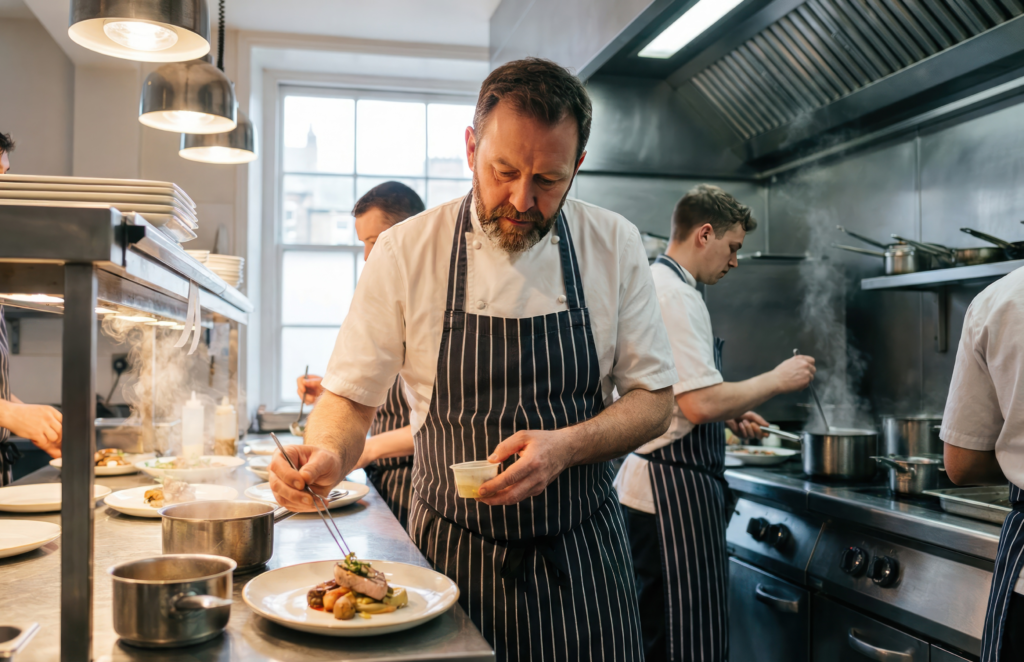
In practical terms, this might mean an extra chef supporting prep and service across the busiest weekend. It might mean additional Front of House support during outdoor trade. It could be bar cover, housekeeping help, event staff, or wider relief support depending on the venue.
The point is not just having more people. It is having the right support in the places where pressure is building.
Why Support Matters in a Tight Labour Market
The wider staffing picture makes this more important.
The UKHospitality workforce campaign reported 132,000 vacancies in hospitality, sitting 48% above pre pandemic levels. UKHospitality and REC data from July 2025 also showed temporary hospitality job postings down 25% year on year, with 22,369 fewer postings than the same period in 2024.
That means operators are planning support in a tighter market, where availability cannot always be assumed at the last minute.
For venues, this makes early and reliable hospitality relief support more valuable. It helps create options before the team is already overloaded.
Support Across the Whole Operation
Hospitality staffing support in the UK is often spoken about through kitchen cover, but July pressure reaches much further.
Bars feel it when outdoor spaces fill. Front of House teams feel it when table turns are constant. Hotels feel it across breakfast, housekeeping, events and evening service. Kitchens feel it when prep, service and clean down all stretch across longer trading days.
Extra support works best when it is matched to the real pressure point.
That could be a relief chef supporting a small kitchen through Sunday lunch. It could be experienced bar staff helping with event led trade. It could be additional Front of House support so permanent staff are not carrying every busy section alone.
When support is planned properly, it strengthens the whole shift.
Helping Teams Feel Valued
One of the strongest findings from the Hospitality People Survey 2026 is that 72% of hospitality workers said working with great people is the most important factor in retention.
That matters because support is not only operational. It is cultural.
When a venue brings in extra support at the right time, it sends a clear message to the team. It says their workload has been noticed. It says they are not expected to carry every peak alone. It says the business is protecting standards and people at the same time.
That kind of message matters during July.
A More Manageable Summer
Extra support will not remove every pressure from peak summer. Hospitality will still be busy, fast and demanding.
But it can make the busiest stretch more manageable.
It can help permanent teams stay steadier, reduce overload, protect morale and keep service quality more consistent when demand is high.
July is often when good teams start to feel the weight of summer. Support gives them room to keep going well.
If your team is already carrying too much and practical support would help protect them through July, Ginger is here to talk it through.