One of the biggest misconceptions in hospitality is that summer demand arrives suddenly.
In reality, it builds.
Across the industry, teams are already seeing the early signs. Busier weekends. Longer bookings. More forward planning from guests. What happens in July is shaped by what is happening now.
Understanding this shift early is what allows operators to prepare properly, rather than react under pressure later.
Demand Is Seasonal, But the Build Has Already Started
Hospitality demand has always followed a seasonal pattern, and summer remains one of the strongest trading periods of the year.
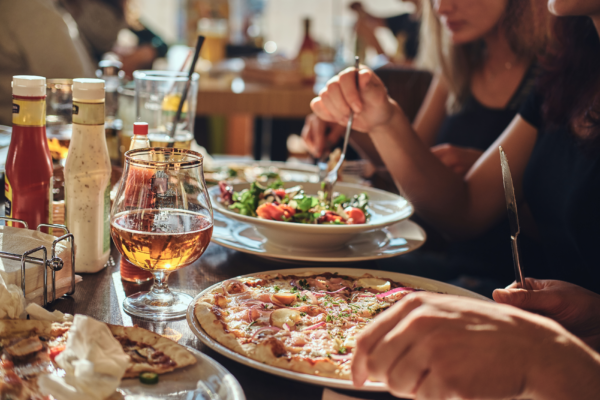
Research from Propeller highlights how this plays out in practice, with venues moving into a phase where outdoor spaces fill, events increase, and guest numbers rise steadily. The image of beer gardens filling up is not a peak moment. It is the result of weeks of behavioural change leading into summer.
For operators, this means adapting early.
Menus shift. Spaces open up. Service styles evolve. The venues that respond to this gradual build tend to handle peak periods more smoothly.
More Bookings, But Shorter and More Frequent Visits
Booking behaviour is also changing.
Data from UKHospitality and SiteMinder shows that while demand is becoming more consistent across the year, summer still drives higher spend and pricing. July remains the most expensive month for UK stays, with average rates around £215.
At the same time, guest behaviour is becoming more fragmented:
- 80.5 percent of stays are just one night
- 69 percent of guests are domestic
This creates a different kind of pressure.
Rather than long, predictable bookings, venues are managing higher turnover, more frequent check-ins, and a constant flow of new guests. For restaurants and pubs, this translates into more covers, quicker table turns, and less margin for error.
Consistency becomes critical.
Guests Are Going Out With Purpose
Consumer behaviour is also evolving.
Research from DesignMyNight shows a clear shift towards more intentional, experience-led hospitality. Guests are not just going out more. They are choosing where they go more carefully.
Key trends include:
- Group dining searches increasing by 28 percent
- Strong growth in competitive socialising
- Increased demand for late-night dining
- Pub visits rising by 10 percent month on month
This points to a more complex type of demand.
Guests are looking for occasions, not just meals. They want atmosphere, experience, and something worth their time. For operators, this means expectations are higher, even on standard service days.
What This Means for Hospitality Teams
When you combine these trends, a clear picture starts to form.
Summer demand in 2026 is not just about volume. It is about:
- Higher frequency of bookings
- Greater variety in guest needs
- Increased expectation around experience
- More pressure on consistency across every shift
This has a direct impact on teams.
Front of House are managing more dynamic service. Kitchens are balancing speed with quality under sustained pressure. Managers are coordinating rotas that need to flex with changing demand.
The challenge is not just being busy. It is being busy in a more complex way.
Why Early Planning Changes Everything
The teams that perform best in summer are rarely the ones who react the fastest. They are the ones who prepared the earliest.
That preparation often starts now.
Reviewing booking patterns. Adjusting rotas. Planning for peak weekends. Considering where additional support might be needed before it becomes urgent.
Across the venues we speak to, there is already a noticeable shift towards earlier planning. Operators are recognising that waiting until June or July limits options.
A Smarter Way to Approach the Season Ahead
There is no single solution to managing summer demand.
But there is a consistent theme among operators who handle it well. They treat staffing, service, and planning as part of one system rather than separate challenges.
That might mean:
- Building more flexibility into rotas
- Preparing teams for higher turnover service
- Introducing additional support during known peak periods
For some, it also means bringing in external support earlier, rather than relying on last-minute fixes.
Final Thought
Summer demand is already building.
The signs are there in booking patterns, guest behaviour, and the pace of service across the industry. What happens next will depend on how early that shift is recognised and acted on.
Because in hospitality, the busiest moments are not created overnight.
They are built, one decision at a time, in the weeks leading up to them.