The UK hospitality sector is gearing up for summer 2026 with a clear focus on evolving customer needs. Across restaurants, pubs, hotels, and leisure venues, consumers are seeking greater value, memorable experiences, and convenient yet high-quality service. Below, we break down the major customer-facing trends – from dining preferences to travel behaviours – all grounded in current industry insights.
Dining Preferences: Menus, Pricing & Service Formats
“Less is More” in Menus:
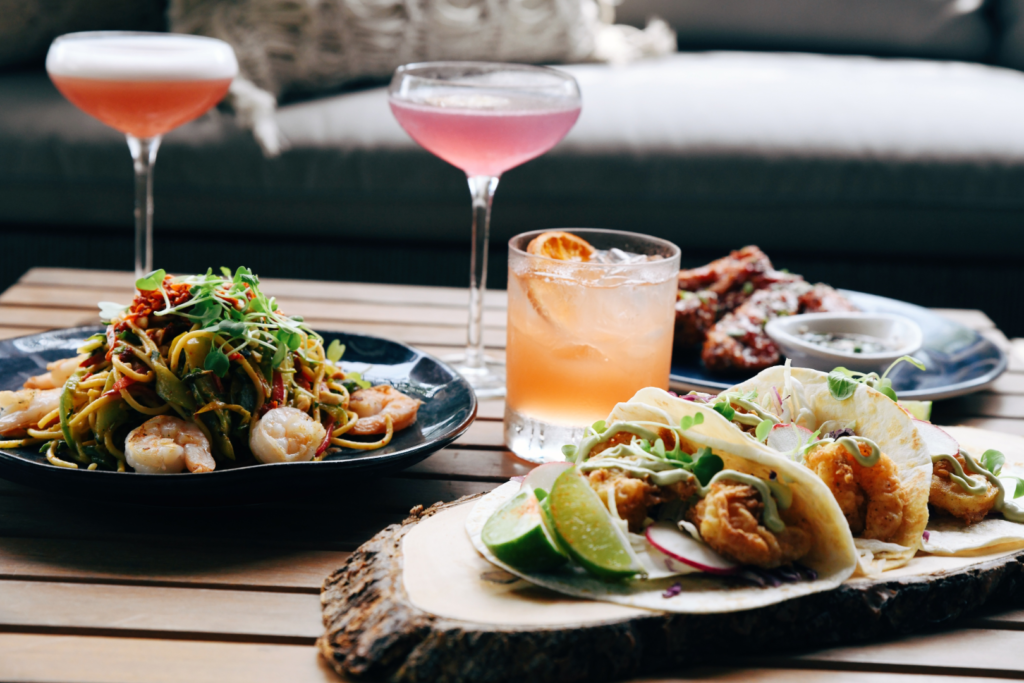
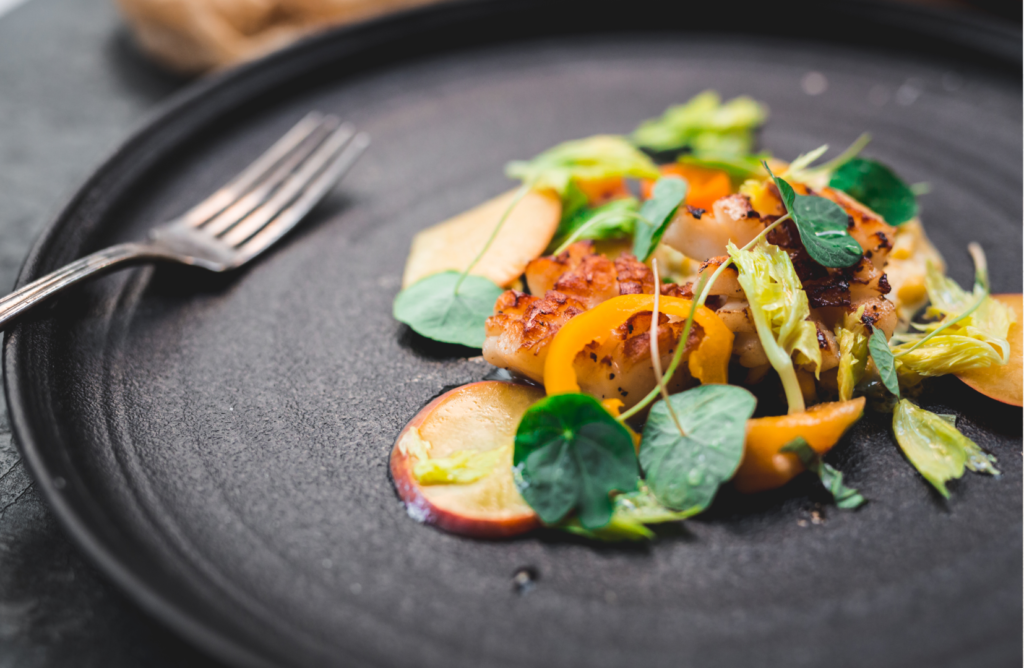
Quality Over Quantity: Restaurants are streamlining their offerings and focusing on quality ingredients. There is a shift toward smaller, curated menus that emphasize fresh, high-grade components and culinary creativity. Rising food costs and health-conscious diners have pushed venues to offer “less, but better” – diners prefer a few excellent options over expansive menus. Guests paying higher prices now demand clear sourcing of ingredients and thoughtfully crafted dishes, rather than overly complex menus. This premium simplification means every item should feel intentional and worth the price. (Source)
Comfort Food with a Twist & Value Deals:
Diners in 2026 crave a balance of the familiar and the novel. Traditional comfort foods are being reinvented with modern twists, and hybrid menu concepts (mixing cuisines or formats) are popular. For example, pubs and bistros might offer classic pies or fish and chips but with elevated flavours or contemporary presentation. Importantly, value-driven offerings are trending – think prix-fixe menus, group “feast” specials, or off-peak discounts – to appeal to budget-conscious consumers. Value does not necessarily mean cheap; rather, patrons want to feel “every dish is worth it” in terms of taste and experience for the price paid. (Source)
Rise of Flexible Service Formats:
Speed and convenience have become central to dining. Quick-service and casual formats continue to thrive for summer crowds on the move. Technology-enabled service (mobile ordering, order-at-table apps, QR code menus) has become common across the UK. Self-service and digital ordering allow venues to serve more people swiftly, and many customers appreciate the convenience. However, operators are cautious not to let tech dilute the human touch. Diners still value good service, fair pricing, and consistency in experience. The winning approach is blending efficiency with hospitality. (Source)
Dining Anytime, Anywhere:
Summer 2026 will see hospitality further embracing outdoor and on-the-go dining. Patrons seek al fresco options in warm weather, and many restaurants are adapting menus for takeaways and picnics. Casual pop-up food vendors and food trucks at local summer events also align with consumer preferences for flexible dining choices.
Personalisation and Dietary Diversity:
Menus are also expanding to accommodate diverse diets and ethical choices. Nearly every venue now includes plant-based or vegetarian specialities, and allergen-friendly options are a baseline expectation. Customers appreciateit when menus highlight local sourcing or sustainability notes, tying into their personal values. In short, choice in 2026 is not about an endless menu – it is about offering options that feel personally relevant to each guest. (Source)
Rising Guest Expectations & Booking Habits
Flawless Basics & Consistency:
After the volatile past few years, consumers have zeroed in on fundamental comforts. Core hospitality basics are back in the spotlight – clean and comfortable facilities, reliable Wi-Fi, effective air-conditioning, and prompt service. In summer 2025, hotels learned that guests will not forgive lapses in these basics. Travellers across Europe became more value-conscious and voiced dissatisfaction if things like cleanliness or internet speed fell short. Price and value perception have become the top drivers of negative reviews. (Source)
Heightened Value-Consciousness:
With economic pressures lingering, customers are watching their wallets and expecting more bang for their buck. The “revenge travel” splurge of the immediate post-lockdown period has faded; in its place, value travel and dining with intention have taken hold. Guests plan trips and nights out more carefully, looking for unique experiences but also scrutinising prices and fees. (Source)
Tech-Enabled Convenience as Standard:
In 2026, digital convenience is no longer a novelty. Features that seemed cutting-edge a few years ago are now baseline requirements for many guests. Mobile-first booking and payment habits dominate. Hotels across the UK have widely adopted contactless check-in/out and smart room technologies. (Source)
Evolving Booking Patterns:
On the restaurant and pub side, spontaneity is on the rise – over 40% of UK diners make last-minute decisions about where to eat or drink. Same-day reservations and walk-ins have increased. Diners show they are willing to queue or wait for a highly reputed venue if they decide to treat themselves on short notice. (Source)
Sustainability & Ethical Expectations:
Consumers in 2026 are prioritising sustainability, health, and social responsibility. Eco-conscious practices have become a baseline expectation. Diners actively look for evidence of sustainable sourcing and low-waste operations. Offering plant-based menu options and clearly labelling allergens or dietary accommodations is now standard practice. (Source)
Personalisation & Engagement:
Guests appreciate it when venues remember them or tailor offerings to their preferences. Whether it is a hotel app that greets a repeat guest by name or a restaurant server who recalls a patron’s allergy, these personal touches significantly elevate satisfaction. (Source)
Travel & Leisure Behaviour: Staycations, Surges & Seasonal Patterns

The Ongoing Staycation Boom:
UK domestic tourism remains strong and steady heading into 2026. High international travel costs and the convenience of local trips mean many Brits continue to choose staycations and short regional breaks over pricier overseas holidays. Coastal towns, national park areas, and rural retreats are poised for another busy summer. (Source)
Longer Travel Season:
Travel demand is spreading more evenly across seasons. While summer remains busy, a growing number of travellers now venture out in May, June, and September to avoid the peak. (Source)
Summer Social Buzz:
Despite off-peak growth, summer remains the time for big social gatherings. From beer gardens to weekend food festivals, the social energy in summer is unmatched. (Source)
Coolcations and Climate Shifts:
Climate trends are subtly altering travel behaviour in Europe. In 2025, travellers fleeing extreme heat in southern Europe drove a northward demand shift. The UK is benefiting, with cities like London and Edinburgh seeing an uptick in visitors during the hot months. (Source)
Return of International Travelers:
Visitors from the US, China, and other long-haul markets have returned. The UK is capitalising, particularly London. International tourists often boost demand in hotels, restaurants, and regional attractions. (Source)
Event-Driven Demand Surges:
Summers in the UK are packed with world-class events that cause spikes in hospitality demand. Events like Wimbledon, music festivals, and city-wide celebrations such as Pride parades drive traffic across sectors. (Source)
Experiences & Offerings: How Venues Attract Customers
Immersive & Themed Experiences:
Guests want memorable, social, and shareable moments. Restaurants and bars are hosting theme nights, quizzes, and pop-up experiences to encourage engagement. (Source)
Live Music & Entertainment:
Live music has returned as a core draw, especially for pubs. Young adults view live music as a staple part of a night out, and consistent programming can boost dwell time and revenue. (Source)
Novelty Venues and Instagrammable Concepts:
Concept-driven venues are thriving. Eccentric pop-ups and unique designs are attracting the social media generation and boosting footfall. (Source)
Wellness and Well-Being Offerings:
Hotels and leisure operators are embracing wellness. Packages including yoga, spa treatments, and healthy dining are being used to attract health-conscious guests. (Source)
Hybrid and Multi-Use Spaces:
Cafes, pubs, and hotel lobbies are doubling as daytime workspaces or event venues. This drives footfall and creates all-day value. (Source)
Seasonal Promotions & Packages Driving Success
Family-Friendly Deals:
Promotions such as kids-eat-free draw families, especially during school holidays. These deals build loyalty and fill quieter trading periods. (Source)
Limited-Time Pop-Ups:
Seasonal pop-ups, themed rooftop bars, and unique decor are creating urgency and excitement. They also provide Instagrammable moments. (Source)
Mid-Week and Off-Peak Specials:
Time-sensitive deals like happy hours or prix-fixe menus are effective at driving weekday footfall and repeat visits. (Source)
Event and Holiday Tie-ins:
Strategic alignment with major events boosts trade. Promotions themed around Wimbledon, festivals, or national food days bring in extra business. (Source)
Value-Added Hotel Packages:
Offering curated stays with add-ons such as dinner, spa, or attraction tickets boosts perceived value and simplifies planning for guests. (Source)
Loyalty Rewards and Retention Offers:
Loyalty schemes and referral incentives help turn summer visitors into long-term customers, especially through personalised follow-up promotions. (Source)
In summary, venues that understand what their customers want in summer – from convenience and novelty to wellness and trust – will be best positioned to capture spend and loyalty this season. Summer 2026 offers abundant opportunities for hospitality leaders who think ahead and adapt with care.