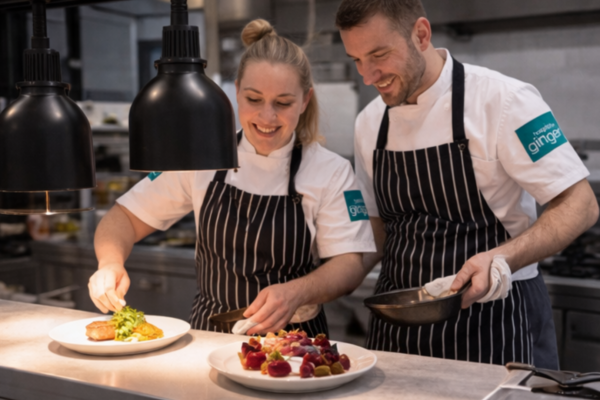
A chef can be technically excellent, experienced, and reliable in their own kitchen, but that does not always translate into success as a relief chef.
In today’s hospitality industry, the expectation has shifted. A strong relief chef is not just someone who can cook. They are someone who can walk into a new kitchen, understand it quickly, and deliver from the first service.
That difference matters more now than ever.
The Role of a Chef Has Changed
Across the UK, hospitality businesses are operating with tighter teams and less room for error.
Industry data from UKHospitality and Moore Kingston Smith highlights ongoing labour shortages, high staff turnover, and increasing pressure on service delivery. Many kitchens are running leaner brigades, which means every person on shift plays a critical role.
At the same time, the Institute of Hospitality points to growing skills gaps across the sector, particularly around adaptability and operational awareness.
The result is clear. Kitchens no longer have the capacity for long onboarding periods or slow integration. Every chef, especially relief chefs, needs to contribute immediately.
Why Relief Chefs Matter More Than Ever
Relief chefs are no longer just a short-term fix. They have become an essential part of how many kitchens operate.
They provide flexibility during busy periods, cover unexpected absences, and help maintain consistency when permanent teams are stretched.
In the right environment, a strong relief chef can protect standards, support the brigade, and allow the business to continue trading at full capacity.
But the opposite is also true. The wrong fit can slow service, increase pressure, and disrupt team flow.
This is why the definition of a “strong” relief chef has evolved.
The Traits That Actually Matter
Adaptability Across Kitchens
No two kitchens operate in exactly the same way. Different menus, different systems, different expectations.
A strong relief chef can step into that environment and adjust quickly. They read the kitchen, understand how it runs, and work with it rather than against it.
Speed of Integration
There is no time for long introductions.
Relief chefs need to pick things up quickly, understand their section, and fit into the brigade from the first shift. This includes recognising team dynamics, communication styles, and service flow.
The faster they integrate, the smoother the service.
Consistency Under Pressure
Hospitality is fast-paced, high-pressure, and often unpredictable.
A strong relief chef maintains standards regardless of the situation. Whether it is a busy Saturday service or a new menu they have not worked with before, consistency is what makes them reliable.
Clear Communication
Relief chefs do not work in isolation.
They need to communicate effectively with both Back of House and Front of House teams, take direction from senior chefs, and contribute to the overall flow of service.
Strong communication prevents mistakes, reduces friction, and supports the whole team.
Professionalism and Reliability
Turning up prepared, on time, and ready to work is non-negotiable.
A strong relief chef brings a level of professionalism that reassures the kitchen. They are dependable, low risk, and focused on doing the job well without adding pressure to the team.
Where It Can Go Wrong
Not every placement works, and when it does not, the impact is immediate.
Common issues include slow integration into the kitchen, lack of flexibility when adapting to new systems, or a mismatch with the existing team.
In a busy service, even small gaps in performance can quickly affect the entire operation.
This is why expectations around relief chefs have become sharper. Kitchens need people who can contribute straight away, not learn over time.
What Strong Support Looks Like
Behind every strong relief chef is preparation and clarity.
Chefs perform best when they understand what is expected before they arrive. Clear briefs, realistic role expectations, and open communication all make a difference.
Equally, venues benefit from working with chefs who are not only skilled, but also prepared for the environment they are stepping into.
This is where the right support around both the chef and the business becomes important. When expectations are aligned on both sides, relief staffing becomes a solution rather than a risk.
A Shared Standard for Chefs and Venues
For chefs, the opportunity is clear. Being able to adapt, integrate quickly, and deliver under pressure is what sets strong relief chefs apart in today’s market.
For venues, the expectation is just as clear. Relief chefs should not just fill a gap, they should maintain the standard.
The hospitality industry has changed, and the role of the relief chef has evolved with it.
Those who understand that shift are the ones who keep service strong, even when the pressure is at its highest.