What to Look for in a Hospitality Recruitment Partner

With hospitality recruitment shifting fast and new agencies popping up across the UK, operators are asking a crucial question: “How do I know who to trust?

The stakes are high. You’re not just filling a vacancy. You’re inviting someone into your team, your culture, your service. Often at pressure points when there’s no room for error.

The right Hospitality Recruitment Partner will take that seriously. The wrong one might just take the booking.

So what should decision-makers actually look for?


1. Fast, Personal Communication

Whether it’s a last-minute relief shift or a key leadership hire, time matters. But so does tone.

You want an Partner that replies quickly, keeps you in the loop, and speaks like a human not a bot.

Ginger Hospitality partners often tell us the biggest difference is how calmly and clearly we communicate, especially under pressure. That can be the difference between a stressful day and a smooth one.


2. A Real Understanding of Your Venue

Not all restaurants operate the same way.
A Hotel in Cumbria has different needs to a high-volume Manchester bar. Your relief staffing needs to reflect that.

Look for an Partner that asks questions about:

  • Your service style
  • Guest expectations
  • The layout and pace of your venue
  • The team dynamic

Agencies who dive into this detail are the ones who send you the right people, not just the available ones.


3. Follow-Through That Builds Trust

It’s not just about sending someone. It’s about seeing it through.

Great Partners follow up:

  • Before the shift: to confirm, brief, and check details
  • After the shift: to gather feedback and make improvements
  • Across placements: to build understanding and consistency


At Ginger Hospitality, we treat this as standard. It’s not a favour, it’s the foundation of partnership.


4. Flexibility That Matches Your Pressure Points

A smart hospitality recruitment agency in the UK won’t treat relief and permanent hiring as two separate boxes.

They’ll look at your rota and service pressure and suggest the right mix. That might mean:

  • Relief Front of House over school holidays
  • A permanent Sous Chef hire before summer
  • Event staffing for wedding season
  • Strategic support during refurbs or team changes

The best Partners don’t just fill roles, they help you spot gaps early.


5. Clear Terms. No Surprises.

Trust is built on transparency.

If you’re considering agency support, make sure you have:

  • Clear fee structures
  • Fair rebate policies
  • Defined response times
  • Agreement on how issues will be handled


There’s no need for complexity. Simple, fair terms set everyone up for success.


What This Looks Like in Practice

Let’s make it real.

  • Your rural pub is facing rota gaps every other weekend. A good Partner recommends local relief chefs in Yorkshire willing to travel, with calm tempers and roast dinner experience.
  • Your General Manager gives notice in April. You want consistency through the spring. A strong partner helps map interim support while planning a permanent recruitment timeline.
  • Your Hotel is launching a new afternoon tea. You don’t need a full team, just strategic cover. The right Partner offers one or two people who match your guest style and service flow.


That’s not just booking staff. That’s building a people plan with someone who gets you.


Choose a Partner, Not Just a Provider

In 2026, recruitment isn’t about finding a name.
It’s about finding a Partner who understands the pressures, pace, and pride that run through your venue.

Look for:

  • Fast, honest communication
  • Understanding of your people and your operation
  • Flexibility around both relief and permanent recruitment
  • Clear terms and real relationships


Because when it’s done right, agency support should make you feel in control not on edge.


If you’d like to sense check your current setup or talk through your people plans, we’re always here.

01200 890 890

What Head Chefs Want from Relief Staff in 2026

Relief chefs have always been essential but in 2026, the role has evolved.

They’re not just there to “fill in”. In many kitchens across the UK, particularly during the spring pressure points, they’re a critical part of keeping standards high and rotas steady. Whether it’s a single shift or a multi-week stretch, head chefs are looking for professionals who can slot in, read the room, and contribute from day one.

Mother’s Day, Easter weekend, spring weddings, and seasonal event menus. These are no longer low-stakes moments. The kitchens handling them are under serious pressure, and the expectation for relief staff is rising.


What Head Chefs Really Value

At Ginger, we work directly with head chefs and BOH managers every day. Here’s what they’re actually asking for in 2026 and what sets the strongest relief chefs apart.

  • Professionalism from the minute they arrive
    That means being on time, in full whites, and ready to go, no drama.
    “We don’t have time to get someone settled. We just need to know they’ve got it.”
  • Adaptability to the kitchen and menu
    Relief chefs who can quickly understand the pass, prep standards, and layout earn trust fast. It’s less about mastering the full menu and more about asking smart questions and using initiative.
  • Willingness to collaborate
    There’s no space for ego. The best relief chefs jump in, respect the permanent team, and find ways to support without taking over.
  • A calm head under pressure
    Kitchens are intense especially during spring peak service. Relief chefs who stay steady in small teams, during fast service, or when covers run high are invaluable.


Spring Pressure Points in the Kitchen

This year, the ask on relief chefs is big and predictable.

Across the North of England and Wales, Ginger’s rota calls are filling up fast. Venues are booking for:

  • Mother’s Day menus and Sunday roasts
  • Set course lunches over the Easter weekend (29 March–1 April)
  • Spring weddings and private events
  • Event venues ramping up for half-term traffic


These aren’t “quiet cover” shifts. They’re fast-paced, high-cover, prep-through-service days that require skill and stamina.

Relief chefs who approach these bookings like they’re joining a team, not just doing a job, are the ones that get rebooked week after week.


Advice for Relief Chefs This Spring

If you’re stepping into relief work this season, here’s what we know will set you up to succeed:

  • Communicate early and clearly: Let the team know your strengths, but also ask what they need most from you.
  • Get ahead of the prep: When you’re the extra pair of hands, every bit of support counts from veg prep to keeping the section tight.
  • Respect the kitchen culture: Every venue has its way. Listen, adapt, and lead by example where needed.
  • Be ready for anything: Menus can change. Covers can double. Be the chef who rolls with it.

And if you’re a head chef reading this, relief doesn’t mean compromise. With the right brief and a clear ask, relief chefs can become some of your strongest support this spring.


Relief Work Is Still Team Work

In 2026, relief work is no longer just about plugging gaps. It’s about being a part of the brigade even if just for a day.

The kitchens that thrive during spring are the ones that treat relief chefs as team members from the start and the chefs who succeed are the ones who treat every shift with pride, respect, and professionalism.

At Ginger Hospitality, we’re proud to support both sides of that partnership. Our chefs aren’t “temps”. They’re experienced professionals who bring calm, capability, and a love of the craft into every service.


If you’re building your spring kitchen plan and want to make relief part of your strategy, we’re here to talk it through.

01200 890 890

How to Attract Great Hospitality Staff in Rural Areas

Running a venue in a countryside location comes with its own set of rewards: loyal guests, beautiful settings, strong local ties. But when it comes to recruitment, the challenges are very real.

Whether you’re running a pub in the Yorkshire Dales, a hotel in rural Cumbria, or a wedding venue in North Wales, finding the right people is harder than ever.

UKHospitality data shows rural operators are seeing longer recruitment lead times, particularly for Front of House roles. And while the industry at large is rebuilding, these venues are still battling well-known barriers:

  • Limited public transport for staff without cars
  • A lack of affordable, short-term accommodation
  • Lower visibility compared to city or resort venues
  • Seasonal staffing spikes without a local talent pool


But it’s not all difficulty. Across the North, rural venues are adapting their approach and it’s making a difference.


The Common Barriers to Rural Hospitality Staffing

To tackle a challenge, you’ve got to name it clearly. Here’s what we hear most from rural venue leaders:

  • “We’re not on a bus route, so Front of House staff struggle to get here.”
  • “We’re in a seasonal area. Lots of demand, not enough housing.”
  • “Younger talent wants to be in the cities. We’re not even on their radar.”
  • “When we find someone great, we worry we’ll lose them to better-paid urban jobs.”


These aren’t just surface-level issues. They impact how you plan rotas, how teams function under pressure, and how consistently you can deliver service.

So, what’s working?


What’s Working in 2026 for Rural Venues

The venues we support are starting to think differently and it’s paying off. Here are some strategies we’ve seen succeed across Yorkshire, Cumbria, and North Wales:

  1. Hospitality Jobs with a Local Perk

Rural roles that include accommodation or staff meals tend to see stronger applications especially for chef jobs in Northern England and wedding season placements. Even offering temporary housing during high-pressure months can widen your reach.


  1. Flexible Contracts to Attract Commuters

Weekend-only shifts, school-hours contracts, or semi-retired chef bookings are helping pubs and restaurants stay staffed. For smaller sites, this flexibility also builds loyalty, workers feel seen.


What We’ve Seen Work

In the first quarter of 2026, Ginger has supported multiple rural pubs, restaurants, and countryside hotels through the same challenges and we’ve seen what makes a real difference.

We’ve built custom support plans that include:

  • Relief chefs willing to travel for key shifts
  • Event-based Front of House teams booked 3–4 weeks out for weddings and private hire
  • Permanent and relief planning done together to ensure continuity

We also have a strong, reliable network of Ginger Relief Brigade members across the North West, many of whom are already supporting rural venues week to week. Whether it’s a remote pub needing consistent chef cover, or a wedding venue ramping up for the season, we’re working closely with operators to build in support early not just when pressure hits.

This mix helps venues manage cost, reduce burnout, and keep standards high, even when geography makes things tricky.

Because of our lived hospitality experience, we don’t just look at your postcode. We look at your rota pressure, your pace, your culture, and the people who’ll thrive there.


It Takes Planning But It’s Possible

Rural hospitality staffing is never going to be one-size-fits-all. But with the right mix of flexibility, forward-thinking, and local understanding, venues are proving that it can be done and done well.

If you’re running a hospitality business in the countryside and want to chat through options, we’re here to help.

01200 890 890

What Relief Chefs Are Being Asked to Do This Spring

Across the North of England and Wales, hospitality venues are already feeling the build-up. Spring staffing pressure is arriving early this year, and relief chefs are being called on to step in not just for gaps, but for key services.

With Mother’s Day (15 March) and Easter weekend (3–6 April) being two of the busiest periods of spring, rota pressure is hitting sooner than many expect. Add to that a sharp rise in weddings, Sunday lunches, and seasonal events, and it’s clear that chef cover is no longer a last-minute ask.

Venues are already booking ahead. Chefs are stepping into longer, more involved shifts. And expectations are changing.


Relief Chef Roles Have Evolved

The old idea of a relief chef covering one section and heading out is long gone. Today’s Relief Chef bookings are more dynamic and often more demanding.

At Ginger Hospitality, we’re seeing shifts that stretch from breakfast through evening, with chefs expected to:

  • Handle prep-to-service continuity
  • Work across sections as needed
  • Manage set menus and seasonal specials
  • Coordinate with leaner Back of House teams under pressure


In short, Relief Chefs are no longer just “cover”, they’re being treated as critical team members during peak periods.


What Venues Are Really Asking For

We speak to dozens of operators every week, and while no two venues are the same, the requests from across the North are following a clear pattern.

Here’s what we’re hearing most:

  • “We need someone who’s confident in any kitchen.”
  • “Calm and flexible is more important than seniority.”
  • “Someone who can think on their feet and keep things steady.”
  • “We’ve got a lot of bookings and events in March, we need cover now.”


It’s not just about Chef Jobs in Yorkshire or Wales. From the Lakes to the Dales, the theme is the same. Relief Chefs are seen as strategic hires. Not emergency fill-ins.


Ginger’s Chefs: What They’re Seeing This Spring

Our Relief Brigade has already seen a shift in what spring looks like:

  • Bookings coming in weeks ahead, especially for Sundays
  • Requests tied to Mother’s Day, Easter menus, and early weddings
  • Emphasis on attitude, not just experience
  • Venues valuing Chefs who can walk into a new kitchen and get going without fuss


And it makes sense. Spring hospitality staffing is getting smarter. Operators know that calm, reliable Relief Chefs protect their teams, not just their rotas.


What This Means for Chefs and Operators

If you’re a Relief Chef, now’s the time to be clear on:

  • Your availability through March and April
  • What you’re comfortable jumping into
  • How you support smaller teams with flexibility and pace


And if you’re planning your rota, look beyond the week ahead. Public holidays and annual leave always hit harder than expected. Planning cover 3–5 weeks out makes a real difference to consistency, team morale, and service standards.


Why This Role Matters More Than Ever

In 2026, the Relief Chef role is no longer reactive. It’s strategic. It’s essential. It’s one of the ways venues are protecting their standards and supporting their teams.

Whether you’re hiring or working this spring, one thing is clear: this job carries weight. And getting it right matters.

01200 890 890

Northern Restaurant & Bar Returns to Manchester

Northern Restaurant & Bar (NRB) will return to Manchester Central on Tuesday 10 and Wednesday 11 March 2026 with a packed programme of keynote talks, chef demonstrations and hospitality panels.

Recognised as one of the leading hospitality trade shows in the North, the event brings together operators, chefs, suppliers and industry leaders for two days of networking, insight and inspiration.

With more than 400 exhibitors expected and multiple stages running throughout the show, NRB offers visitors the opportunity to explore the latest food, drink and hospitality technology while hearing directly from some of the sector’s most influential voices.


Day One Opens with The State of the North

The first day begins in the Keynote Theatre with The State of the North, where Karl Chessell, Director of Hospitality Operators and Food Service at NIQ, will share new research on how northern hospitality businesses are continuing to grow despite wider economic pressures.

Following this session, Allen Simpson, CEO of UKHospitality, will take part in an exclusive interview discussing the current challenges facing the industry and how UKHospitality is working with the government to create a fairer environment for operators.

Later in the morning, Will Beckett, CEO of the internationally recognised steakhouse group Hawksmoor, will return to NRB to talk about the brand’s expansion across the UK, Ireland and the United States, including recent openings in Dublin, New York and Chicago.


Leading Operators Share Their Experience

A series of panel sessions will explore how hospitality businesses are growing, adapting and launching new concepts.

The Heading North panel will feature Laura Harper Hinton, CEO of Caravan Restaurants & Coffee Roasters, alongside other operators who have expanded their businesses into northern cities. The discussion will focus on why the region continues to attract hospitality investment and what operators have learned along the way.

Later in the day, chef Kenny Atkinson will appear in an interview session reflecting on his career journey. Atkinson holds two Michelin stars across House of Tides and Solstice in Newcastle and recently launched the rooftop restaurant Solaya in London.

The first day will close with the Kuits NRB Top 50, the annual list recognising the most influential hospitality operators in the North.


Chef Live Showcases Northern Culinary Talent

The Chef Live stage will once again highlight the region’s culinary creativity through a series of live cooking demonstrations.

Tuesday’s demonstrations will feature chefs including:

These sessions give visitors a chance to see leading chefs at work while sharing techniques, ideas and inspiration from across the northern hospitality scene.


Pub and Bar Theatre Explores Changing Drinking Trends

The Pub and Bar Theatre will host several sessions focused on evolving drinks trends and pub operations.

Steve Alton from the British Institute of Innkeeping will discuss how pub operators are responding to ongoing industry challenges, while Laura Willoughby MBE from Club Soda will present insights on the growing demand for alcohol free and mid-strength drinks.

Panel sessions will also bring together leading operators, including Simon Potts from The Alchemist and Joycelyn Neve from The Seafood Pub Company to discuss the realities of running multisite hospitality businesses.


Day Two Highlights: Changing Guest Behaviour

The second day opens with one of the most anticipated sessions of the show.

Katy Moses, founder of KAM, will present Feeding the Mounjaro Generation, exploring how the growing use of weight loss medications is beginning to influence dining habits, portion sizes and drinking patterns.

Further panels throughout the day will focus on marketing, operations and hospitality leadership, featuring speakers from brands including Dishoom, Mission Mars, Blacklock, Bundobust and Brunning and Price.


New Hospitality Concepts Take the Spotlight

The programme concludes with the New Openings Panel, where hospitality founders including James Bates from QVO Hospitality, Jonny Heyes from Nell’s, Georgina Pellant from Cut and Craft and Owain Williams from Madre will discuss the realities of launching new hospitality ventures.

The panel will explore the challenges of opening new venues, the strategies behind successful launches and what operators are learning from the current market.


A Major Event for Hospitality Professionals

Alongside the talks and demonstrations, NRB visitors will be able to explore hundreds of exhibitors presenting the latest innovations in food, drink and hospitality technology.

Taking place alongside lunch! NORTH at Manchester Central, the two-day event offers hospitality professionals the chance to connect with suppliers, discover new ideas and hear directly from industry leaders shaping the future of the sector.

Why Front of House Staffing Needs a Head Start

Guests rarely remember the rota. They remember the welcome, the service, and how the experience made them feel.

That is why Front of House hospitality staff sit at the heart of spring trading. As venues move towards Mother’s Day, Easter, private events and weekend breaks, the Front of House team becomes the main driver of guest experience, pace, and flow.

Spring is not just busier. It is more visible. Expectations are higher, services are fuller, and there is far less margin for error on the floor.


Why Front of House Staffing Is Often Left Too Late

In many venues, planning starts in the kitchen. Menus are finalised, prep is mapped out, and back of house rotas are shaped early. Front of House planning often comes later, once pressure is already building.

When Front of House is booked late, the impact shows quickly. Managers end up stretched across the floor, senior team members plug gaps instead of leading, and service slows during peak sittings. This is when guest experience dips, even if the food is strong.

More operators are recognising that late Front of House planning is not a staffing issue. It is a planning issue.


How Venues Are Planning Front of House Teams for Spring 2026

This year, we are seeing a clear shift. Venues across the North are planning Front of House recruitment UK style decisions earlier than before.

We are already supporting venues booking Front of House hospitality staff for March and April. This includes private dining, spring weddings, sporting fixtures like the Six Nations, and Easter services where lunch trade is at its peak.

What stands out is that venues are choosing by experience and service style, not just availability. Supervisors who can run a section with confidence. Bar staff who can handle volume without losing presence. Waiting staff who understand pace and guest flow.

This is proactive Front of House planning, and it is setting venues up for calmer services.


Front of House Hospitality Staff Availability This Spring

Right now, Front of House availability is strong. Our Relief Brigade includes experienced Waiters, Bar Staff, Supervisors and Managers who are ready to support spring trade.

However, demand is rising quickly. As Easter approaches and diaries fill, availability naturally tightens. Venues booking early are securing better matches and creating smoother integration for their teams.

Early planning gives choice. Late planning limits it.


Why Front of House Skills Matter More Than Ever

Front of House is not a secondary skillset. It is one of the most complex roles in hospitality.

Front of House teams manage guest expectations, control service pace, communicate with the kitchen, and maintain atmosphere under pressure. They are the link between the operational plan and the guest experience.

A well planned Front of House team creates calmer kitchens, steadier service, and higher spend per head. When Front of House is under supported, the entire operation feels it.

This is especially true during high pressure periods like hospitality Easter service and Mother’s Day lunches.

Planning Front of House Staffing for Better Spring Service

Strong spring service does not happen by chance. It is built through early Front of House rota planning, clear role structure, and support that matches demand.

Venues that plan Front of House staffing early see smoother services, stronger team morale, and more consistent guest experiences across peak weekends.

At Ginger Hospitality, we are supporting these conversations already. Front of House hospitality staff are being booked in advance, not because venues are panicking, but because they want to protect service quality.


If you want to sense check your Front of House plan for spring or talk through Front of House cover options, we are always here to help.

01200 890 890

Summer 2026 Hospitality Trends

The UK hospitality sector is gearing up for summer 2026 with a clear focus on evolving customer needs. Across restaurants, pubs, hotels, and leisure venues, consumers are seeking greater value, memorable experiences, and convenient yet high-quality service. Below, we break down the major customer-facing trends – from dining preferences to travel behaviours – all grounded in current industry insights.


Dining Preferences: Menus, Pricing & Service Formats


“Less is More” in Menus:

Quality Over Quantity: Restaurants are streamlining their offerings and focusing on quality ingredients. There is a shift toward smaller, curated menus that emphasize fresh, high-grade components and culinary creativity. Rising food costs and health-conscious diners have pushed venues to offer “less, but better” – diners prefer a few excellent options over expansive menus. Guests paying higher prices now demand clear sourcing of ingredients and thoughtfully crafted dishes, rather than overly complex menus. This premium simplification means every item should feel intentional and worth the price. (Source)


Comfort Food with a Twist & Value Deals:

Diners in 2026 crave a balance of the familiar and the novel. Traditional comfort foods are being reinvented with modern twists, and hybrid menu concepts (mixing cuisines or formats) are popular. For example, pubs and bistros might offer classic pies or fish and chips but with elevated flavours or contemporary presentation. Importantly, value-driven offerings are trending – think prix-fixe menus, group “feast” specials, or off-peak discounts – to appeal to budget-conscious consumers. Value does not necessarily mean cheap; rather, patrons want to feel “every dish is worth it” in terms of taste and experience for the price paid. (Source)


Rise of Flexible Service Formats:

Speed and convenience have become central to dining. Quick-service and casual formats continue to thrive for summer crowds on the move. Technology-enabled service (mobile ordering, order-at-table apps, QR code menus) has become common across the UK. Self-service and digital ordering allow venues to serve more people swiftly, and many customers appreciate the convenience. However, operators are cautious not to let tech dilute the human touch. Diners still value good service, fair pricing, and consistency in experience. The winning approach is blending efficiency with hospitality. (Source)


Dining Anytime, Anywhere:

Summer 2026 will see hospitality further embracing outdoor and on-the-go dining. Patrons seek al fresco options in warm weather, and many restaurants are adapting menus for takeaways and picnics. Casual pop-up food vendors and food trucks at local summer events also align with consumer preferences for flexible dining choices.


Personalisation and Dietary Diversity:

Menus are also expanding to accommodate diverse diets and ethical choices. Nearly every venue now includes plant-based or vegetarian specialities, and allergen-friendly options are a baseline expectation. Customers appreciateit when menus highlight local sourcing or sustainability notes, tying into their personal values. In short, choice in 2026 is not about an endless menu – it is about offering options that feel personally relevant to each guest. (Source)


Rising Guest Expectations & Booking Habits


Flawless Basics & Consistency:

After the volatile past few years, consumers have zeroed in on fundamental comforts. Core hospitality basics are back in the spotlight – clean and comfortable facilities, reliable Wi-Fi, effective air-conditioning, and prompt service. In summer 2025, hotels learned that guests will not forgive lapses in these basics. Travellers across Europe became more value-conscious and voiced dissatisfaction if things like cleanliness or internet speed fell short. Price and value perception have become the top drivers of negative reviews. (Source)


Heightened Value-Consciousness:

With economic pressures lingering, customers are watching their wallets and expecting more bang for their buck. The “revenge travel” splurge of the immediate post-lockdown period has faded; in its place, value travel and dining with intention have taken hold. Guests plan trips and nights out more carefully, looking for unique experiences but also scrutinising prices and fees. (Source)


Tech-Enabled Convenience as Standard:

In 2026, digital convenience is no longer a novelty. Features that seemed cutting-edge a few years ago are now baseline requirements for many guests. Mobile-first booking and payment habits dominate. Hotels across the UK have widely adopted contactless check-in/out and smart room technologies. (Source)


Evolving Booking Patterns:

On the restaurant and pub side, spontaneity is on the rise – over 40% of UK diners make last-minute decisions about where to eat or drink. Same-day reservations and walk-ins have increased. Diners show they are willing to queue or wait for a highly reputed venue if they decide to treat themselves on short notice. (Source)


Sustainability & Ethical Expectations:

Consumers in 2026 are prioritising sustainability, health, and social responsibility. Eco-conscious practices have become a baseline expectation. Diners actively look for evidence of sustainable sourcing and low-waste operations. Offering plant-based menu options and clearly labelling allergens or dietary accommodations is now standard practice. (Source)


Personalisation & Engagement:

Guests appreciate it when venues remember them or tailor offerings to their preferences. Whether it is a hotel app that greets a repeat guest by name or a restaurant server who recalls a patron’s allergy, these personal touches significantly elevate satisfaction. (Source)


Travel & Leisure Behaviour: Staycations, Surges & Seasonal Patterns


The Ongoing Staycation Boom:

UK domestic tourism remains strong and steady heading into 2026. High international travel costs and the convenience of local trips mean many Brits continue to choose staycations and short regional breaks over pricier overseas holidays. Coastal towns, national park areas, and rural retreats are poised for another busy summer. (Source)


Longer Travel Season:

Travel demand is spreading more evenly across seasons. While summer remains busy, a growing number of travellers now venture out in May, June, and September to avoid the peak. (Source)


Summer Social Buzz:

Despite off-peak growth, summer remains the time for big social gatherings. From beer gardens to weekend food festivals, the social energy in summer is unmatched. (Source)


Coolcations and Climate Shifts:

Climate trends are subtly altering travel behaviour in Europe. In 2025, travellers fleeing extreme heat in southern Europe drove a northward demand shift. The UK is benefiting, with cities like London and Edinburgh seeing an uptick in visitors during the hot months. (Source)


Return of International Travelers:

Visitors from the US, China, and other long-haul markets have returned. The UK is capitalising, particularly London. International tourists often boost demand in hotels, restaurants, and regional attractions. (Source)


Event-Driven Demand Surges:

Summers in the UK are packed with world-class events that cause spikes in hospitality demand. Events like Wimbledon, music festivals, and city-wide celebrations such as Pride parades drive traffic across sectors. (Source)


Experiences & Offerings: How Venues Attract Customers


Immersive & Themed Experiences:

Guests want memorable, social, and shareable moments. Restaurants and bars are hosting theme nights, quizzes, and pop-up experiences to encourage engagement. (Source)


Live Music & Entertainment:

Live music has returned as a core draw, especially for pubs. Young adults view live music as a staple part of a night out, and consistent programming can boost dwell time and revenue. (Source)


Novelty Venues and Instagrammable Concepts:

Concept-driven venues are thriving. Eccentric pop-ups and unique designs are attracting the social media generation and boosting footfall. (Source)


Wellness and Well-Being Offerings:

Hotels and leisure operators are embracing wellness. Packages including yoga, spa treatments, and healthy dining are being used to attract health-conscious guests. (Source)


Hybrid and Multi-Use Spaces:

Cafes, pubs, and hotel lobbies are doubling as daytime workspaces or event venues. This drives footfall and creates all-day value. (Source)


Seasonal Promotions & Packages Driving Success


Family-Friendly Deals:

Promotions such as kids-eat-free draw families, especially during school holidays. These deals build loyalty and fill quieter trading periods. (Source)


Limited-Time Pop-Ups:

Seasonal pop-ups, themed rooftop bars, and unique decor are creating urgency and excitement. They also provide Instagrammable moments. (Source)


Mid-Week and Off-Peak Specials:

Time-sensitive deals like happy hours or prix-fixe menus are effective at driving weekday footfall and repeat visits. (Source)


Event and Holiday Tie-ins:

Strategic alignment with major events boosts trade. Promotions themed around Wimbledon, festivals, or national food days bring in extra business. (Source)


Value-Added Hotel Packages:

Offering curated stays with add-ons such as dinner, spa, or attraction tickets boosts perceived value and simplifies planning for guests. (Source)


Loyalty Rewards and Retention Offers:

Loyalty schemes and referral incentives help turn summer visitors into long-term customers, especially through personalised follow-up promotions. (Source)


In summary, venues that understand what their customers want in summer – from convenience and novelty to wellness and trust – will be best positioned to capture spend and loyalty this season. Summer 2026 offers abundant opportunities for hospitality leaders who think ahead and adapt with care.

Why March Matters for Spring Hospitality Planning

For years, March was treated like a warm-up, a quieter run-in to the real spring season. That’s changed.

Hospitality venues across the UK are seeing real pressure building earlier than ever. Between Mother’s Day (15th March) and Easter weekend (3rd – 6th April), trading uplift is already landing by the first week of the month.

Guests are out earlier, and expectations are higher. Spring set menus. Spa weekends. Sunday roasts. Wedding bookings. It’s no longer about building momentum, it’s about meeting it.


Spring Pressure Starts Early in Hospitality

According to data from The Morning Advertiser and OpenTable, Mother’s Day is now the busiest Sunday of the year for most UK venues and Easter Sunday sees around 60% of bookings land during lunch service.

That’s not pressure on just one day. It’s a shift in how spring works for hospitality.


What we’re seeing already:

  • Sunday services under strain by the first weekend of March
  • Spring menus launching earlier to meet guest demand
  • Set brunches, spa stays, and weekend specials hitting rotas across the North


The important thing to know? This pressure is predictable and that’s what makes it manageable.


How Venues Are Planning Teams for Spring

At Ginger Hospitality, we’ve had more early rota planning calls in February than this time last year. And it’s not just about short-term cover.

Here’s what many of our partner venues are already doing:

  • Building their permanent team early, to create structure and consistency for the year ahead
  • Locking in Front of House Relief cover before they hit full stretch
  • Blending Permanent and Relief from the outset to avoid backtracking or burnout


These aren’t massive chains with big HR teams. They’re Pubs, Restaurants, Hotels, and Venues who know the value of being ready.


Smart Spring Staffing: What Operators Are Doing

The most strategic venues we support aren’t waiting to see how March unfolds. They’re shaping it.

Here’s how they’re using spring hospitality planning to stay ahead:

  • Booking Relief staff for specific weekends (Mother’s Day, Easter Sunday, key events)
  • Reviewing rotas weekly, not just reacting when someone calls in
  • Using Relief support as a preventative measure, not a crisis fix
  • Working with Ginger to map known pressure points and create a plan that works


This kind of planning doesn’t just help operations run smoother, it changes the tone of the whole team.


Spring Hospitality Planning That Works

When you start planning early, everything gets lighter.

There’s less scramble. Less burnout. Less chance of compromising the guest experience.

It’s not about over-preparing. It’s about steady, realistic team thinking that matches your venue’s pace and priorities.

At Ginger, we’re seeing it already: smart operators using March to make the rest of spring calmer, smoother, and more profitable.


If you want to talk through your own spring hospitality planning for Easter, Mother’s Day, or just the months ahead. We’re always here.

01200 890 890

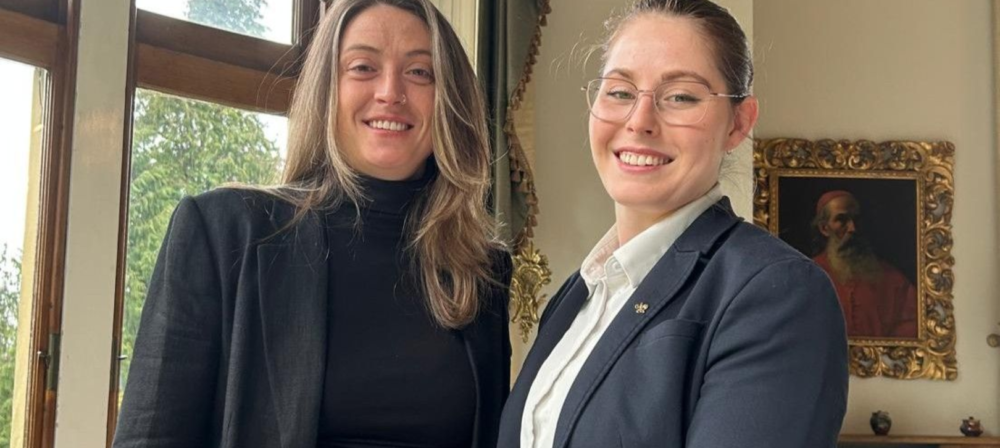
Talent Spotlight: Kiarah, Palé Hall

When we talk about strong teams, it’s easy to default to numbers and structures. But the reality is this: great hospitality still comes down to people. People like Kiarah.

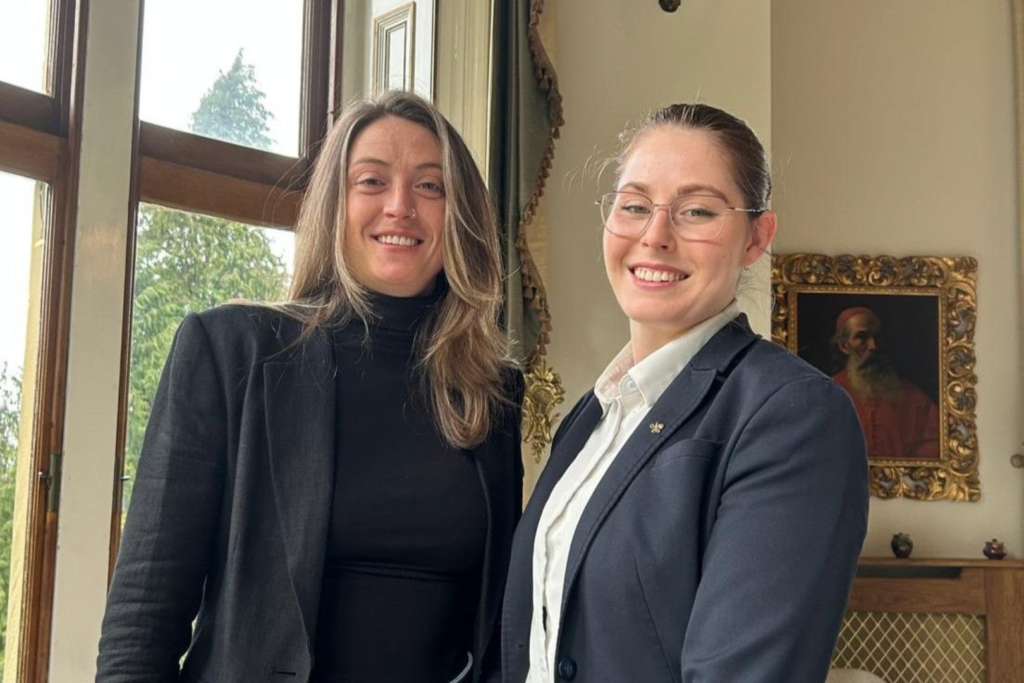
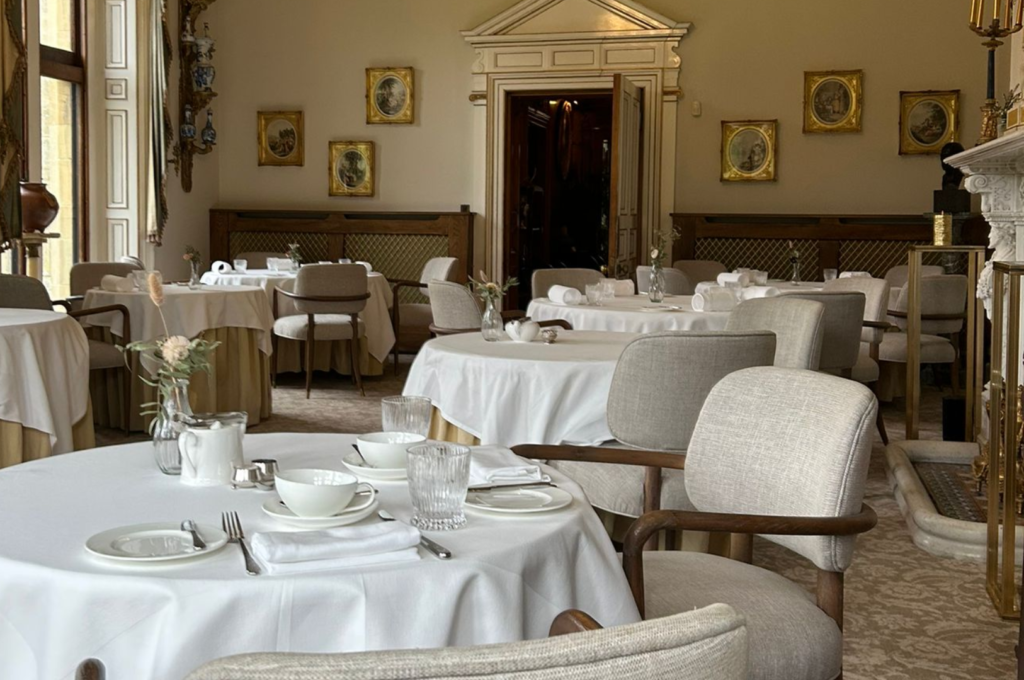
Earlier this year, members of our Ginger team visited Palé Hall in North Wales. It was part of our ongoing partnership with the team as they enter a new chapter under the leadership of Chef Partner Luke Selby. During that visit, we got to meet Kiarah in person. Seeing her in her element, confident, professional, and part of the rhythm of the floor, was a reminder of what recruitment done properly can lead to.

Kiarah is now Chef de Rang at Palé Hall, and a core part of the team. But her story with hospitality started long before this role.


From Bartender to Chef de Rang

Kiarah began working in hospitality in 2015. She worked her way up from Hostess to Head Bartender, gaining experience across gastro pubs and fine dining restaurants. That journey built more than skill. It shaped her mindset. Attention to detail, confidence on the floor, and a guest-led approach to service.

When Hannah at Ginger began supporting recruitment at Palé Hall, she quickly recognised that Kiarah wasn’t just a match on experience. She was a match on values. On presence. On how she carries herself in service.

“She brings professionalism to the role with real attention to detail,” Hannah explains. “It’s the kind of care people expect at Palé Hall. She’s fully embedded herself into the team and the service.”


Not Just a Placement. A Partnership.

Seeing Kiarah in action at Palé Hall wasn’t just rewarding. It reinforced why Ginger’s approach to recruitment focuses on people, not just roles.

From early conversations through to interview support and ongoing check-ins, Hannah was with Kiarah throughout the process. That support made a difference at a pivotal time in her career.

“Hannah’s done such an amazing job,” Kiarah said. “Absolutely life changing. I was struggling so much where I was, and she helped us find the job that really made me comfy and see the future again. Not only me, but a lot of our staff members here have been great additions too. She’s probably one of the main reasons we have such a good team building here.”


Stronger Together

That feeling isn’t one-sided. Luke Selby, Chef Partner at Palé Hall, has spoken openly about the importance of partnership in building his team:

“Working with Ginger Hospitality, and with Angela and Hannah, has been fantastic. Their passion for the industry and for finding the right people is so important. It’s helping us achieve what we want to do.”


Why It Matters

Kiarah’s story is about more than one role. It’s about how thoughtful recruitment and genuine partnership can shape not only a service, but a team.

She’s a reminder of what happens when candidates are supported properly and placed into environments where they can thrive.

And she represents the standard we strive for in every placement. Calm, capable, and quietly excellent.

The best hospitality still comes down to people. We’re proud to support Kiarah’s journey, and proud to stand alongside Palé Hall as their next chapter unfolds.

How to Start a Hospitality Partnership That Works

Over the past two months, hospitality leaders have taken a real look at the year ahead. We’ve explored 2026 industry trends, common planning gaps, how to build strong teams, and why your staffing strategy should include both permanent and relief support.

Now it’s time to bring all of that together and talk about what makes it all work in practice. Because a good plan is only as strong as the people you build it with. And the difference between a rushed rota and a resilient year often comes down to one thing: partnership.


What a Hospitality Partnership Really Means

A hospitality partnership is not about who fills the most roles. It’s about who understands what those roles actually mean in your business.

It’s about:

  • Listening to your goals before talking about vacancies
  • Understanding your service style, not just your headcount
  • Being there in quieter months and busy seasons alike
  • Offering support that flexes when things change
  • Seeing your team and your pressures with real hospitality insight

The right partner doesn’t just send a CV. They help shape your year: calmly, collaboratively, and with care.

 

Signs You’ve Chosen the Right Partner

How do you know when a hospitality partnership is working?

You might recognise it in things like this:

  • They ask about your Saturday service pace, not just your role titles
  • They help you think weeks or months ahead, not just plug next week’s rota gap
  • They understand the realities behind the pass, the floor, and the bar
  • They talk openly about budgets, burnout, and what success actually looks like for you
  • They don’t just support your permanent team or your relief team; they see both as one system
  • They offer honest guidance, even if it’s not the easy answer
  • And most of all, you feel lighter after you speak to them

That’s how you know it’s not transactional. It’s a partnership.


How to Build a Partnership That Works for Your Venue

There’s no perfect formula. But there is a better way to begin.

Here’s how most successful partnerships start:

  • You talk through your year ahead
  • You share your current team structure, even if it’s still evolving
  • You map out busy periods, pressure points, and goals
  • You explore which roles need long-term hires, and which need flexible support
  • You agree on  how and when to communicate
  • You build something together that fits your venue, your people, and your pace

It doesn’t have to be big or formal. It just has to be real.


What Partnership Looks Like with Ginger

We’ve worked the floor on a double-booked Saturday. We’ve stood on the pass at full throttle. We’ve managed thin rotas, trained new teams, and led services that shaped our careers.

That’s why when we talk about partnership, it comes from experience.

When we work with a venue, we:

  • Take time to understand your culture, team dynamic, and service style
  • Help build permanent recruitment plans around your real timeline
  • Plan relief support in advance so it fits your rhythm not just your gaps
  • Communicate honestly, clearly, and with your goals in mind
  • See your wins as our wins
  • Offer support that protects your people, not just your rota

This is why our partners stay with us. Because they know we’re in it with them.


Why Starting Your Partnership in February Makes Sense

The quiet won’t last much longer. By March, guest expectations rise. By April, pressure builds. By May, it’s full swing.

Starting your hospitality partnership now gives you:

  • Time to recruit with care
  • Space to build relief plans with intention
  • A partner who knows what’s coming and is already thinking ahead with you
  • Less stress, more control, and a smoother start to spring

It’s not about being early for the sake of it. It’s about giving yourself the best chance at a calm, confident year.


A Final Thought

Partnership is the difference between getting through the year and feeling in control of it. If you’ve spent January and February thinking, planning, reflecting this is your moment to act with purpose.

If you would like to explore what a partnership could look like for your venue, we are always here to talk it through.
01200 890 890