Inside Palé Hall: People, Standards and Real Partnership

Nestled in the Dee Valley, with Snowdonia framing the horizon, Palé Hall doesn’t just look the part. It feels it. A five-star country house hotel with Michelin Green Star dining and three AA Rosettes to its name, it’s a place where elegance meets depth. Where standards are high, but never stuffy. And where the people, not just the plates, are what make the experience exceptional.

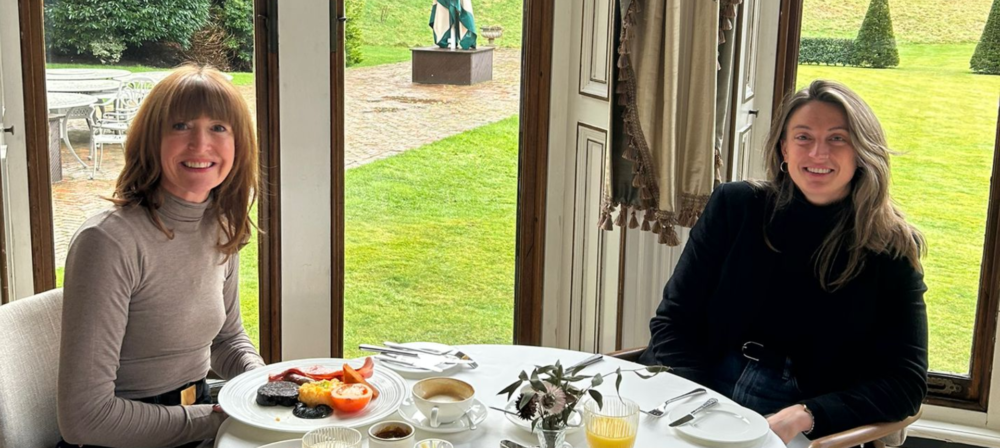
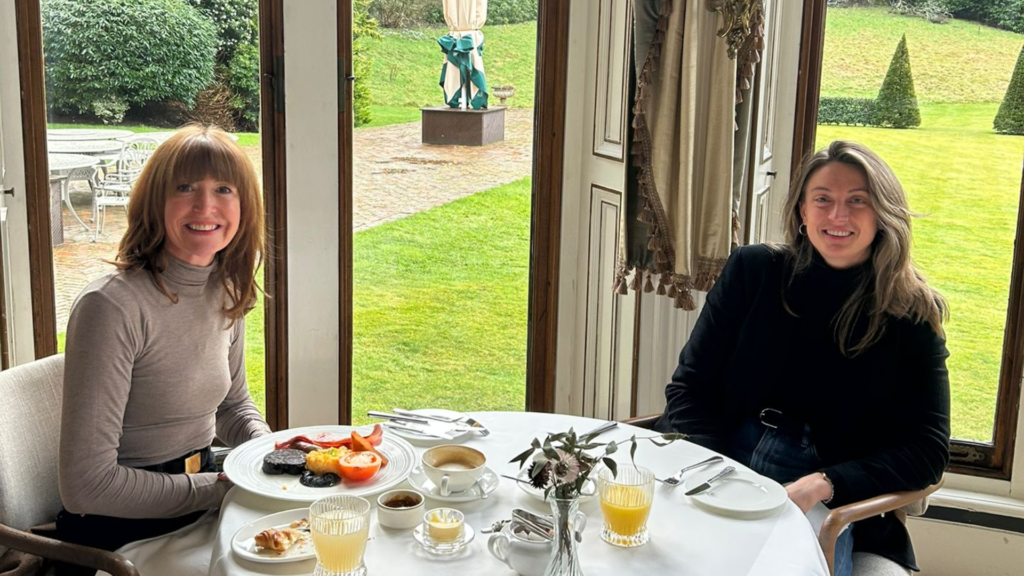
This February, our CEO Angela Byrne and General Manager Hannah Taylor were invited to visit Palé Hall. More than just a tour, it was a stay that marked the start of something bigger. A deepening partnership built on trust, shared ambition and a mutual love for exceptional hospitality.


A Visit Rooted in Understanding, Not Selling

The trip wasn’t about ticking boxes or reviewing a placement. It was about embedding ourselves in the reality of the operation. From the restaurant and hotel to the on-site pub and surrounding estate. About sitting down, asking questions and experiencing the day-to-day rhythm that defines Palé Hall’s unique standard.

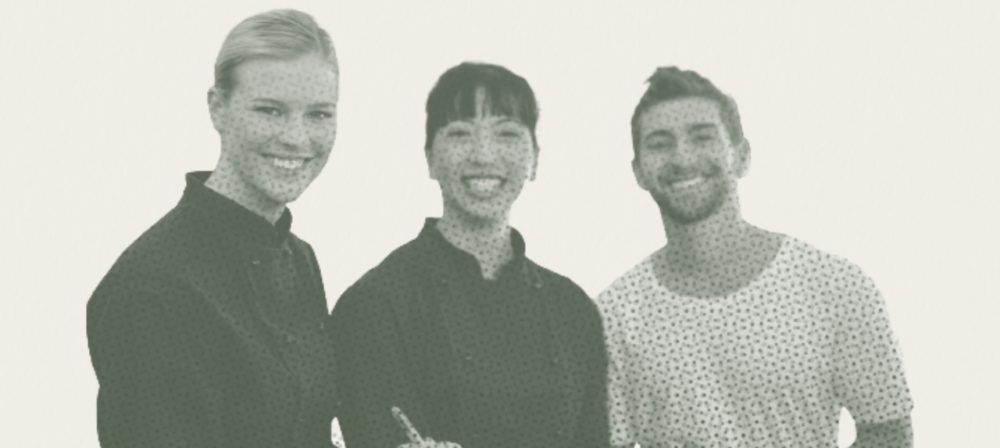
Hannah has been working closely with Luke Selby, the newly announced Chef Partner at Palé Hall, as the team builds out its next chapter. The visit was an opportunity to strengthen that connection and spend time with the wider team face-to-face. Including Kiarah, now Chef de Rang at Palé Hall, who came through Ginger and is already thriving in her new role. Getting to meet her in person was a standout moment. It’s these glimpses into how people settle, grow and contribute that remind us why we do what we do.

There was also a full guided tour with Luke through the grounds, the hunting lodge and The Bryntirion Inn. As well as the kind of breakfast you never forget. We stayed the night in beautiful rooms that, just like the service, felt effortlessly thoughtful and deeply restorative.


Standards, Culture and the Right Kind of Ambition

What stood out most wasn’t just the polish. It was the care. The clarity of vision. The respect for service, and the belief that how a guest feels is directly shaped by how a team functions behind the scenes.

Palé Hall isn’t driven by volume or pretence. It’s driven by craft. By team members who show up for each other. By leadership that believes in the details. And by a culture that holds both high standards and human connection at its core.

That’s why recruitment here is never just about filling roles. It’s about understanding how a candidate will live in that environment. How they’ll contribute, grow and help carry the ambition of the place forward.


Partnership That’s Built, Not Bought

We’ve been working with Palé Hall and Luke for a while now, headhunting talent that fits not just the job descriptions, but the future vision. Hannah’s role in this has been hands-on from day one. Shaping each brief in collaboration with the team, organising interviews and visits, and staying closely connected through the full journey to placement.

That trust matters. And it goes both ways.


As Luke put it:
“Working with Ginger Hospitality, also with Angela and Hannah, has been fantastic. Their passion for the industry, finding the right people — the right talent — is so important in building the right team and helping us achieve what we want to do. It’s been brilliant.”


In an industry where too many agencies operate at arm’s length, this kind of relationship stands apart. There’s no back-and-forth pinging of CVs. No shallow check-ins. Just real conversations, clear standards and a shared investment in what’s being built. Not just for next week, but for the seasons ahead.


A Moment Worth Reflecting On

We’re proud to support venues like Palé Hall. Not just as a supplier, but as a partner that takes time to understand, align and adapt.

It was a privilege to visit, to meet the team and to witness the magic of Pale Hall in person. We’re honoured to be a part of their next chapter.


What Permanent Hospitality Recruitment Looks Like in 2026

If you’ve ever hired a team member the night before a busy weekend, you’re not alone.
But in 2026, permanent hospitality recruitment looks completely different. Candidates are thinking longer term. Skills gaps are wider. And recruitment timelines are no longer something you can squeeze between stock checks and service.


The Biggest Permanent Hiring Trends We’re Seeing in 2026

Candidates Want Stability and Culture, Not Just a Job

A good rota, fair treatment, and a supportive workplace are the minimum, not the perk.

Hospitality professionals are choosing venues where they feel valued. Leadership style, team culture, and long-term opportunities are part of every decision. That means your internal set-up matters as much as the job description.


Skills Gaps Are Widening Across the Sector

Whether it’s experienced Chefs, reliable Front of House, or multiskilled staff, the talent pool is getting tighter.

The right match isn’t just about who’s available. It’s about who fits your venue, your service style, and your pressure points. Finding those people takes more time than ever.


Recruitment Timelines Are Longer

Gone are the days when great staff were on standby.

Top candidates are in high demand and usually have multiple offers. That means your ideal hire in April probably needs to be sourced and spoken to in February.


Salaries and Expectations Are Evolving

Pay discussions need to happen early. If budgets aren’t planned now, venues risk losing good people later.

At the same time, expectations around training, development, and culture are rising. That doesn’t mean offering more than you can manage but it does mean knowing your offer and communicating it clearly.
 

Personality and Service Fit Matter More Than Ever

Guests don’t remember CVs. They remember how they felt.

That’s why building your team around personality, pace, communication, and values matters more than ticking experience boxes. In 2026, the right person will be the one who fits your flow not just someone who’s done the job before.


Why Permanent Recruitment Should Start Now

February is the planning sweet spot. It’s quiet enough to think clearly. The team has breathing space. And the best people are still open to change before the rush of spring.

Hiring now gives you time to:

  • Embed new starters properly
  • Offer shadow shifts and handovers
  • Strengthen your rota ahead of key pressure points
  • Avoid rushed hires in April and May
  • Set the tone for 2026 with a stable team from the start

Venues that plan early don’t just fill roles. They shape their year with intention.


How Permanent and Relief Teams Work Together in 2026

The strongest venues are blending both.

Your permanent team brings:

  • Consistency
  • Culture
  • Leadership
  • Long-term investment
  • Standards and service identity


Your relief team offers:

  • Flexibility
  • Cover for absence, events, and pressure weeks
  • Support during transition periods
  • Protection against burnout


Together, they build resilience. One without the other creates unnecessary pressure.


What to Look for When Hiring Permanent Staff in 2026

Beyond experience, here’s what really matters:

  • Cultural alignment — do they match your values and service pace?
  • Communication skills — how do they connect with others?
  • Adaptability — can they handle tech, changes, and evolving guest needs?
  • Leadership potential — even if not in a senior role
  • Long-term intent — are they ready to grow with you?
  • Calm under pressure — hospitality’s backbone trait
  • Realistic salary alignment — matched with your offer and structure

This kind of clarity helps both you and the candidate know if it’s a real match.


How Ginger Supports Permanent Recruitment Differently

We don’t do fast-track CVs. We’ve worked the shifts, managed the teams, run the kitchens, and led the front. That’s why our permanent recruitment support feels different. We help you:

  • Map realistic hiring timelines
  • Build permanent and relief planning together
  • Match candidates to your venue’s rhythm
  • Focus on people who’ll bring value, not just fill a gap


Whether you’re looking for a Head Chef in Skipton, a Restaurant Manager in the Ribble Valley, or a long-term Front of House staff in Grassington, we’re already listening to the right conversations.


Permanent Recruitment Shapes Your Whole Year

Permanent recruitment isn’t a task to tick off. It’s the foundation of your 2026. Start early, plan clearly, and build a team that supports your goals,  not one that drifts from shift to shift.

If you want to explore your permanent hiring plan for 2026 or sense check where to begin, we are always here to talk it through.


01200 890 890

Planning Relief Cover in Advance: Why It’s a Gamechanger

Relief cover is often thought about too late. Someone calls in sick. Bookings jump unexpectedly. A team member needs time off. And suddenly, you’re scrambling to hold service together.  But in 2026, venues are starting to rethink relief. They’re pre-booking relief staff not as a luxury, but as part of smart, sustainable planning.

Done right, advanced relief planning doesn’t just cover gaps; it protects your team, your rota, and your guest experience.


Why Relief Planning Often Happens Too Late

This isn’t about blame. It’s about reality.

We know how it goes:

  • You feel guilty asking for help before you “really” need it
  • Planning feels like a luxury when the day-to-day is already overwhelming
  • Relief still feels like a backup, not a core part of your rota
  • The calendar moves faster than expected and suddenly it’s March

Too often, support doesn’t get discussed until it’s already an emergency. And by then, your team is stretched, your service is at risk, and your options are limited.

That’s not because you failed. It’s because the industry has normalised firefighting. We’re here to change that.


What Happens When Relief Is Planned in Advance

Service stays consistent, even when the team changes

When relief cover is planned, not rushed, guests feel the same care and quality, even when the usual team isn’t there.


Permanent staff can breathe again

Knowing there’s support ahead of time eases pressure, prevents burnout, and stops last-minute rota juggling.


You stop firefighting and start leading

With the rota steady, you can focus on service, standards, and your team, not last-minute fixes.


Costs become predictable

Emergency support often costs more. Planned cover lets you control labour spend and avoid panic hires.


Teams work better when they know what’s coming

Staff perform better when they’re not constantly adjusting to surprise changes. Planning gives clarity and confidence.


When to Pre-Book Relief Hospitality Staff

You don’t need a crystal ball, just a little foresight.
Here are the moments where pre-booking relief staff makes a real difference:

  • School holidays (especially February half term and Easter)
  • Bank holiday weekends
  • Summer tourist season
  • Staff holidays and parental leave
  • Events, weddings and large bookings
  • Menu change or launch weeks
  • Key FOH or BOH leadership gaps
  • Refurbs or soft launches
  • When trialling a new service style or format

Every venue has predictable pressure points. The trick is to map them now, while there’s still time.


What Advanced Relief Planning Looks Like in Practice

It’s not complicated. It just takes a shift in mindset.

  • Look at the year ahead, highlight known busy weeks
  • Talk to your team, note planned time off or menu development
  • Plan relief cover aligned to rota rhythm
  • Use trusted staff who already know your venue, if possible
  • Communicate clearly with the team so they know who’s coming in
  • Blend your permanent and relief team strengths
  • Make relief a standard part of the plan, not the backup

This kind of planning doesn’t just prevent pressure. It strengthens your team.


How Ginger Supports Thoughtful Relief Planning

We understand why planning relief can feel like “just one more thing.” But at Ginger Hospitality, it’s our thing.

Our team is made up of hospitality professionals who’ve run kitchens, managed floors, led teams, and built rotas under pressure. We know that the right person walking in at the right time can change everything.

That’s why we:

  • Help venues map their 2026 pressure points
  • Suggest the right balance of relief and permanent support
  • Match relief brigade members by pace, service style, and team culture
  • Build plans that bring predictability, not patchwork

You don’t have to wait for a rota crisis to ask for help.


Give Your 2026 Plan the Support It Deserves

Busy season is closer than it feels.
Planning relief support now gives your team strength, not strain, when the pressure arrives.

If you want to explore how pre-booked relief support could fit into your 2026 rota, we are here to talk it through at any time.
01200 890 890

Your 2026 Hospitality Strategy Deserves a People Plan

By February, many venues have a working plan in place. Budgets, menus, marketing ideas. Even refurbishments or new concepts. But most are still missing the one thing that makes all of that possible.

A people plan.

Without a real strategy for your team, not just who’s on the rota next week, but how your staffing structure supports your goals. Even the strongest 2026 vision risks falling apart under pressure.


What a People Plan Actually Means in Hospitality

People planning doesn’t just mean knowing who to hire. It means understanding how your team structure supports your business outcomes.

A strong people plan might include:

  • Clear roles and responsibilities
  • Leadership development and support
  • Rota structure that prevents burnout
  • Seasonal forecasting
  • Skills mapping
  • Recruitment timelines that fit your real deadlines
  • Relief cover integrated before gaps appear

It’s about building the team your venue needs before you’re in crisis mode and designing a structure that helps your permanent and relief staff thrive together.


Why People Planning Should Start Before Spring

We all know what spring brings. Longer days. Bigger bookings. Tourists returning. Outdoor covers opening. Weddings and events kicking off.

That’s why February is your window.

Right now, you have the headspace to plan, reflect, and prepare before pressure starts building in March and explodes in April.

Too often, venues wait until something goes wrong before reacting. A senior team member hands in their notice. A second Chef burns out. A gap in the rota turns into a string of underwhelming services.

Good people plans prevent that. They give you structure, visibility, and time to act early.


How Permanent and Relief Staffing Work Together in a People Plan

This isn’t an either-or conversation. It’s about balance.

Permanent Team:
Your core culture. The faces regulars know. The people who uphold your standards and keep your operations grounded.


Relief Team:
Your backup. Your extra hands in the holidays. The support that protects your permanent team from burning out. The lifeline when someone is off sick. The calm answer when bookings suddenly spike.


Venues that plan both together create stronger, more resilient operations and avoid panic decisions when demand surges.


What Happens When There’s No People Plan?

This is where we see things unravel.

  • Rota pressure creeping in weeks before you feel it
  • Burnout disguised as “just being tired”
  • Patchy service from overworked or undertrained teams
  • Guest experience is dipping because everyone is firefighting
  • Recruitment is happening too late to get the right person
  • Labour costs are spiralling because there’s no structure

We’ve seen it all. And we know it’s avoidable.

A people plan doesn’t have to be complicated. But it does have to be intentional.


What Integrated Hiring Support Actually Looks Like

At Ginger Hospitality, we don’t start with a job title. We start with your venue.

Because most of our team have worked in hospitality themselves, we know how hard this job is. And we know that support only works if it fits your pace, your people, and your priorities.

We help venues design:

  • Permanent recruitment strategies that fit your timeline and ethos
  • Relief staffing plans that reflect your actual pressure points
  • Front and Back of House teams that function as one
  • Long-term team development plans rooted in what your business needs

This is integrated hiring support designed around you, not a spreadsheet.


Your 2026 Team Plan Starts Now

If your hospitality strategy for 2026 is already in motion, take a moment to ask: does it include a people plan?

Not a vague idea of who you might need. But a real strategy, one that supports your guests, protects your team, and helps your business grow with confidence.

If you would like to explore what a people plan could look like for your venue, we are always here to talk it through.
01200 890 890

How the Right Front of House Team Changes Everything

Menus. Suppliers. Kitchen structure. Budgets. They’re usually where hospitality planning begins. But if you want to know what really shapes guest experience, and what drives repeat visits, reviews, and revenue, look to the team they meet first. The Front of House team is the emotional core of your venue. And yet, they’re often left out of early planning conversations.

It’s time to change that. Here’s why Front of House recruitment should sit right at the centre of your hospitality planning for 2026.


Why Front of House Teams Make Such a Difference


Front of House Sets the Tone from the Moment Guests Arrive

Most guests decide how they feel about a venue within seconds of walking through the door. A warm welcome. A calm sense of control. A confident host or server who knows exactly where to seat them. That first moment sets the tone for everything else.

And it’s not about scripted greetings or forced smiles. It’s about creating comfort, pace, and presence every time.


Front of House Drives Revenue Without Feeling Salesy

A good Front of House team doesn’t need to push the specials. They know how to engage naturally. They read the table. They know when to upsell and when to hold back.

That kind of service requires more than product knowledge; it takes confidence, timing, and the ability to connect. It can be the difference between one-course visits and full, happy tables.


Front of House Connects the Floor and the Kitchen

They’re the bridge between the guests and the pass.

They stop a misfire before it happens, catch that forgotten side, check allergens, relay pace, manage expectations, and keep everything running smoothly, often under pressure and without a break.

A good Front of House team is your internal glue. Without them, even the best kitchen can fall apart in service.


Front of House Shapes Reputation and Return Visits

One excellent service interaction can secure a repeat booking, a glowing review, and positive word of mouth.

But one disconnected moment, a delay in greeting, confusion over orders, a missed smile, can be enough to lose a guest forever.

Your Front of House team holds the keys to your reputation.


The Pressures on Front of House Teams in 2026

This year’s hospitality landscape isn’t easy. Front of House teams are being asked to do more with less, often managing tech systems and guest experience at the same time.

Team sizes are smaller. Guests are more demanding. Burnout is rising. Recruitment is tougher.

Many Front of House professionals are working split shifts, covering rota gaps, or juggling roles without proper training or support. These pressures not only affect service, they impact team morale and retention.

If 2026 planning doesn’t address the reality of Front of House life, it risks falling flat before Easter.


What a Strong Front of House Plan Includes

A strong Front of House plan isn’t just about who’s on the rota. It’s about creating structure, stability, and support.

Here’s what we’re seeing work:

  • Clear responsibilities and communication processes
  • Training is built into quieter months
  • A rota that gives consistency, not chaos
  • Relief cover is planned in advance, not just when someone is sick
  • Permanent hires who align with service style and team pace
  • Leadership development for senior team members, supervisors, and future managers

This kind of plan builds trust, confidence, and flow for guests and for teams.


How Permanent and Relief Front of House Staff Work Together

It’s not a choice between temporary and permanent. It’s about balance.

Permanent Front of House staff create consistency. They know your culture, your regulars, your way of doing things.

But relief hospitality staff give you room to breathe. They help you handle sudden demand, team holidays, event spikes, and shoulder seasons. They stop pressure from turning into panic.

Together, they create a service model that works for you, for your team, and for your guests.


Our Front of House Experience at Ginger

At Ginger, many of us have stood where your team stands.

We’ve run the pass on a Saturday night. We’ve opened doors, seated guests, held sections, managed the mood, and kept service moving when half the rota was missing.

That’s why Front of House recruitment means more to us than ticking boxes. We understand pace, presence, and people. And we build relief and permanent solutions with that in mind, matching personalities, not just CVs.

Because Front of House teams deserve to be seen for what they are: the centre of your hospitality experience.


Let’s Talk About Your 2026 Front of House Plan

If you’ve already started your 2026 planning, now’s the perfect time to check in on your Front of House structure.

Ask yourself:

  • Does your rota give space to lead well?
  • Do your guests get the same energy on a Tuesday as they do on a Saturday?
  • Are you relying on good people holding it all together or building a plan that supports them?

If you want another view on your Front of House plan for 2026 or support shaping your team structure, we are always here to talk it through.
01200 890 890

What’s Missing From Most 2026 Hospitality Plans

By now, most hospitality leaders have sketched out their 2026 plans. Budgets are in progress. Menus are getting a refresh. You might be rethinking suppliers, reviewing technology, or adjusting rota patterns based on last year’s trade.

But in our experience, there’s one area that often gets missed: the people.

Team development in hospitality isn’t always the loudest item on a planning checklist, but it’s one of the most critical. Because even the strongest operational strategy will fall short if it’s not backed by a team that’s supported, structured, and set up for success.

Let’s explore the common gaps we see in hospitality planning and how forward-thinking venues are quietly filling them before the pressure kicks in.


The Hidden Gaps Most Hospitality Plans Miss

  1. No Clear People Plan

It’s easy to update the rota or hire when you need someone, but that’s not the same as having a strategy. A staffing strategy considers how your team operates, grows, and sustains quality across the year. Without it, you’re reacting instead of building.


  1. Assuming the Same Team Will Get You Through 2026

Burnout, career moves, illness, family changes. These are all part of the reality in the hospitality sector UK 2026. Even your most loyal team members need support. Relying on last year’s line-up without any contingency is risky.


  1. Overlooking Leadership Development

Many plans focus on new hires, but forget those already carrying the weight. Your existing General Managers, Head Chefs, and Front of House Supervisors often need just as much investment, whether that’s clearer role design, mentoring, or support with rota strain.


  1. Forgetting Relief Cover at the Planning Stage

Relief hospitality staff shouldn’t be a last resort. Building in temporary support ahead of peak weeks, events, or known staff leave is smarter, smoother, and avoids last-minute scrambles.


  1. Recruiting Too Late

Waiting until March to look for a permanent hospitality team member you need by Easter? You’re already behind. Recruitment always takes longer than expected. Planning early gives you the chance to find the right person, not just the available one.


Why Team Development Needs to Be Part of Every 2026 Plan

A strong team plan isn’t just nice to have. It’s the foundation that holds up everything else.

Venues that prioritise team development in hospitality benefit from:

  • Better staff retention
  • Consistent guest experience
  • A more stable and efficient rota
  • Space for new ideas and seasonal flexibility
  • Less reliance on crisis cover or last-minute fixes
  • A workplace culture that supports wellbeing and growth

You wouldn’t run service without a prep list. The same applies to your team.


How Forward-Thinking Venues Are Filling These Gaps

We work closely with venues across the UK and the ones planning well for 2026 are already:

  • Reviewing job roles and checking alignment with business goals
  • Identifying where training or upskilling could make a difference
  • Spotting potential leaders and investing early
  • Planning permanent and relief staffing together, not separately
  • Building a rota that supports peak trade and downtime
  • Using quieter months like January and February to train, reshape, or recharge the team

These aren’t big flashy moves. They’re steady, well-paced steps that keep hospitality teams strong even when pressure hits.


The Role of Partnership in Strong People Planning

At Ginger Hospitality, we talk a lot about partnership. And that’s because we’ve lived the other side.

Our team comes from Hospitality. From Restaurants, Kitchens, Hotels, And Pubs just like yours. We understand how a rota works, how a team feels when someone calls in sick, and how hard it is to think about long-term hiring when you’re still catching your breath from Christmas.

We don’t just supply people. We help venues build staffing strategies for hospitality that actually work with a mix of relief hospitality staff, permanent hires, rota cover, and real-life understanding.

Planning with someone who’s been in your shoes makes a difference.


Still Planning? You’re Right on Time.

If your 2026 plans still feel like a work in progress, you’re not behind. You’re exactly where you need to be.

But before the next wave of guests arrives, take a minute to look again at the people side of your plan. The team that delivers your vision deserves to be part of it from the start.


01200 890 890

What 2026 Holds for Hospitality

Hospitality in 2026 won’t look exactly like it does today. Guest expectations are evolving. The tech that shapes our sector is changing fast. And teams, both Front and Back of House, are feeling the weight of post-pandemic pressure, rising costs, and a staffing landscape that’s harder than ever to navigate.

But this isn’t a warning bell. It’s a window. A chance to look ahead at what’s coming and start building your plans around it, especially when it comes to your team. Because the venues that think about staffing early are the ones that move into change with confidence.

Here’s a closer look at the hospitality trends to watch in 2026, and what they could mean for your pub, restaurant, or venue.


Key Hospitality Trends to Watch in 2026

Immersive Experiences Are Taking the Lead

From themed tasting menus to storytelling through design and service, guests want more than just food and drink, they want a feeling. According to EHL’s Outlook Report 2026, immersive hospitality is no longer a novelty. It’s what people are coming back for.

For venues, that means Front of House teams need the confidence and training to deliver that kind of experience, while Back of House teams need space to innovate, not just survive service.


Flexibility, Speed & Tech Are Raising the Bar

Digital ordering, smart POS, AI assistants, the tools are evolving, and venues are expected to keep up. But none of it works without the people to support it.


Hospitality staffing in 2026 will need to be just as flexible as the technology, able to scale up or down depending on footfall, season, and demand.


Human-Centred Leadership Is Here to Stay

From burnout to retention, leadership that prioritises wellbeing isn’t a trend. It’s a necessity. Reports from Hospitality Action and The Burnt Chef Project show that industry wellbeing remains under strain and team-focused leadership is one of the few things proven to make a difference.

If you want to keep good people, planning your rota and recruitment with care is key.


Guests Want Local, Authentic & Thoughtful Service

Whether you run a pub in the Ribble Valley or a bistro in Leeds, one thing is clear, guests are leaning into experiences that feel rooted in place. They want local menus, personal service, and values that reflect where they are.

This puts extra pressure on small teams to deliver that feeling, even when short-staffed.


The Smartest Teams Will Be a Mix of Permanent + Relief

Gone are the days when all roles needed to be full-time to be effective. A strategic staffing plan that blends permanent hospitality team members with relief hospitality staff gives you more flexibility, less stress, and fewer emergency gaps.

With the right recruitment partner, this doesn’t mean compromise, it means balance.


What These Trends Mean for Your Team & Operations

The hospitality sector in the UK in 2026 is heading toward more pressure on fewer hands. Venues will need teams that are both skilled and adaptable, people who can step in, stay steady, and keep service flowing.

This makes it even more important to build:

  • Strong rotas that prevent burnout
  • A staffing mix that adapts to demand
  • Culture-led leadership that supports wellbeing
  • Recruitment that fits your values and service model

Waiting until summer to realise you need more cover isn’t a strategy. It’s a stress point waiting to happen.


How to Turn 2026 Trends into 2026 Action

Here’s what forward-thinking venues are doing today to prepare for what’s coming:

  • Revisiting their business model: How do guests interact with your space? Can your team deliver the experience you’re aiming for?
  • Auditing their current team: Are your people thriving, or just hanging on? Do you have gaps in skills or availability?
  • Building a flexible staffing plan: This includes permanent hires for core roles and relief hospitality staff to bridge demand.
  • Investing in training and wellbeing: Not every solution is a new hire. Sometimes it’s about upskilling or restructuring how shifts are shared.
  • Asking for support: You don’t have to map it all out alone. Whether it’s service-style advice, role planning, or full rota support, we help venues think it through.


Why Having a Dedicated Partner Makes the Difference

Not all agencies get hospitality. At Ginger, it’s where we come from.

Our team is built from Chefs, Managers, Front of House leads, people who’ve lived the challenges you’re navigating. That’s why our relief brigade is built to fit venues, not just fill gaps.

Whether it’s one shift, a summer stretch, or a senior permanent hire, we tailor support to your pace, place, and pressure.

Looking ahead to 2026, hospitality staffing isn’t just about CVs. It’s about finding the right people, for your kitchen, your floor, and your future.


Looking Ahead, Together

2026 might still feel far away. But in hospitality, planning starts now. If you’re thinking about how to keep your team strong, your rota steady, and your service standards high, this is the time to act.

And if you’re ready to talk it through, we’re here.

01200 890 890

How Hospitality Businesses Can Make the Most of January

January in hospitality often gets labelled as the month of recovery. Quiet dining rooms. Reduced hours. Team holidays. After the intensity of the festive period, that slower pace can feel like a lull or even a bit of a let-down.


But what if we looked at it differently?

What if January and February weren’t dead months, but space to breathe? A chance to reflect, realign, and think a little more intentionally about what kind of year you want and what kind of support you’ll need to get there.


Reflecting, Without the Rush

There’s something valuable about the quiet. When the covers drop and the rotas ease off, space opens up, not just on the booking sheet, but in your head.

You might use this time for team holidays, repairs, deep cleans, or a well-earned rest. But it can also be a good time to reflect on the year just gone. What worked? What didn’t? Where were the stress points?

It’s not about pulling apart your whole operation. It’s about giving yourself a moment to check in with your team, your feedback, and your own goals for the year ahead without the pressure of doing it mid-service.


Starting to Shape What’s Next

If you’re someone who’s still figuring out what 2026 looks like, you’re not alone. That clarity doesn’t always come instantly, especially when you’ve just come out of the busiest quarter of the year.

But these early months can be the perfect time to start quiet conversations. Maybe it’s thinking about how your team could work differently. Maybe it’s a sense that you want more consistency in your rota. Or maybe you just want to avoid the last-minute scrambles that crept in last year.

At Ginger Hospitality, we’ve always believed that hospitality planning support needs to come from real understanding, not off-the-shelf answers. If you’re thinking about new hires, relief hospitality staff, or adjusting your structure, our team can help you talk it through and find a way forward that suits your venue.


A Different Kind of Support

This time of year can feel uncertain. You might be working with a smaller team, shorter hours, or a bit of financial pressure from the festive run.

But this doesn’t have to be the time you white-knuckle it alone.

Our team is made up of people who’ve stood in your shoes: former Chefs, General Managers, Front of House leads. We know what it’s like to make tough decisions in quiet months. And we’re here not just with names and CVs, but with real hospitality planning support from rota cover to long-term recruitment advice.

This might mean:

  • Gently exploring relief options for the summer
  • Thinking about the kind of permanent hospitality team you want to build
  • Having someone to sense-check ideas with

Whatever stage you’re at, we’ll meet you there.


A Quiet Start Can Still Be a Strong One

You don’t need a five-point plan to make progress in January.

You don’t need to rush big decisions.

But if there’s a quiet opportunity to think differently about the year ahead, this might be it.

And if you want a partner who understands hospitality and listens before acting, Ginger Hospitality is here.


Let’s Chat

Whether you’re open, closed, or somewhere in between, we’re here when you’re ready. We’d love to hear what you’re thinking about and how we might support you in making it happen.


01200 890 890

What the New Budget Means for Hospitality

For years, hospitality businesses across the UK have been calling for meaningful change to how our sector is taxed and supported. While this new budget doesn’t fix everything, it does mark a genuine step forward for pubs, restaurants, hotels, and event venues.

With rising costs, staffing pressures, and tight margins, even the smallest support can make a big difference. And this budget brings two key developments that could ease the load: permanent business rates reform for hospitality and a boost to the Employment Allowance.


Business Rates: A Long-Awaited Reform Finally Begins

From 2026, business rates will be permanently reduced for hospitality, retail, and leisure venues. This marks the first real structural shift in years, one designed to level the playing field between bricks-and-mortar venues and online giants.

While exact rates are still to be confirmed, the direction is clear:

  • Until 2026, 250,000 eligible hospitality venues will continue receiving 40% off their rates (up to £110,000 per business).
  • From 2026, permanently lower multipliers will be introduced, giving venues more predictability and fairness moving forward.

This is more than just short-term relief. It signals that government is starting to listen to high street businesses. And while some argue it’s overdue, others (including former Boots CEO Sebastian James) see it as a vital chance for hospitality and community spaces to thrive again.


National Insurance: Employer Allowance Doubled

From April 2025, the Employment Allowance will increase from £5,000 to £10,500, meaning 865,000 employers won’t pay employer National Insurance at all next year.

This change is especially important for small venues. It means a typical pub or café could employ up to four full-time staff at the National Living Wage without paying National Insurance contributions on those wages.

For hospitality venues juggling tight payrolls and rota stress, this brings much-needed breathing room.


What About Challenges?

Yes, challenges remain. While high street venues will benefit, large property owners, such as supermarkets and logistics centres, will be taxed more heavily to fund the change. And businesses still waiting for footfall to recover may feel the support hasn’t come fast enough.

But this time, hospitality is being prioritised, not sidelined.


Relief Staff and Sustainable Support

At Ginger, we see the real impact of budget changes not just in spreadsheets, but in shift patterns, service standards, and team morale.

Many venues we support already rely on relief staff to stay operational, particularly during peak seasons and rota gaps. The new business rates and National Insurance support will help some of our partners invest more confidently in their teams, whether that means hiring permanently or calling in flexible, trusted help.


Final Thoughts

This budget won’t fix hospitality’s challenges overnight. But it does deliver long-term structural support, especially for those who’ve kept going despite rising costs and constant change.

And if you’re looking to make the most of it, whether that means boosting your team without overstretching or planning for the long run, Ginger Hospitality is here to help.

Relief staffing, rota support, or simply someone to talk through your options with.

We’re built from hospitality, and we’re in it with you.

01200 890 890

How Relief Hospitality Staff Help Deliver an Event

As festive season pressure builds, venues often turn to Relief Hospitality Staff to help deliver seamless service. Whether it’s a pub Sunday lunch, a hotel Christmas party, or a private gathering on the lakeside, the demand for calm, capable hands behind the scenes is at its peak.

That’s where Ginger Hospitality’s Relief Brigade shines. Recently, our team supported a festive private event at The Lake District Boat Club in Bowness on Windermere, delivering Chefs and Front of House staff who helped keep everything flowing in one of the region’s most beautiful (and logistically tricky) locations.


A Private Christmas Event with a View

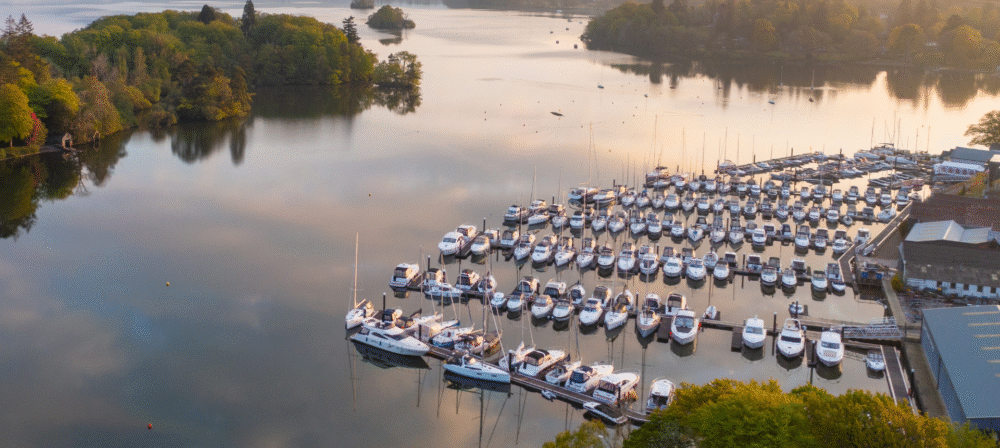
The Lake District Boat Club is known for its community, setting and scenery. Nestled in the heart of Cumbria, it sits right on the edge of Lake Windermere, offering the perfect backdrop for a celebration.

As the club prepared to host an event for members and guests, they needed relief hospitality staff who could integrate quickly, work professionally, and handle a high-standard evening service, all without the luxury of time or easy access.


Relief chef preparing food in festive event kitchen at Lake District venue


How Relief Hospitality Staff from Ginger Made It Happen

Ginger Hospitality provided multiple Chefs and Front of House staff for the evening. The logistics were no small task, getting temporary event staff to a lakeside venue on time, with clear expectations and a calm mindset.

But this is what Ginger does best. Our team worked closely with the client to understand the needs of the event, then mobilised experienced relief staff from our Cumbria and Northwest network. Everyone arrived on time, ready to step in and support the team on site.

It wasn’t just about filling shifts. It was about making the event feel seamless with no compromise on quality or guest experience.


Lake District Boat Club lit up for Christmas evening celebration


A Client Testimonial That Says It All

After the event, we received this message from the organiser:

“Can I just thank you for your excellent service and for the quality of the staff you provided us with. I cannot praise them enough, they were just fabulous. Having been in the industry for 46 years I know providing temporary staff is not easy and fraught with all sorts of challenges. However, you rose to them brilliantly. I will definitely be using your services again.”
— Catherine Anderson, Lake District Boat Club

Feedback like this means everything, not just because it validates the work of our Relief Staff, but because it shows how trusted hospitality staffing can make all the difference at the busiest time of year.


Relief hospitality staff setting up for a private festive event in Cumbria


Why Relief Hospitality Staff Make All the Difference

The festive season can stretch even the strongest teams. Whether you’re running a pub in Lancashire, a hotel in Yorkshire, or a private venue in Cumbria, finding the right rota support means protecting both service and team wellbeing.

At Ginger, we work with venues across the North and we understand the logistics, the pace, and the pressure that December brings.

From hospitality staffing in Lancashire to last-minute Front of House cover in Windermere, our Relief Brigade is ready to support the season.


Final Thoughts

If you’re planning a festive event and want the same trusted support, Ginger Hospitality is here to help. From smart planning to quick turnarounds, our team is built to keep hospitality flowing,  even when the pressure is high and the roads are winding.

01200 890 890