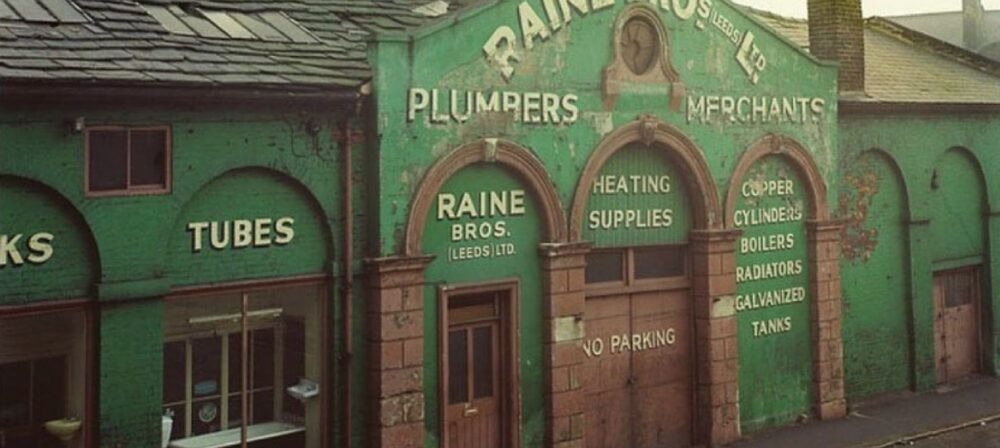
Discover the Best of Yorkshire at Leeds’s White Cloth Hall

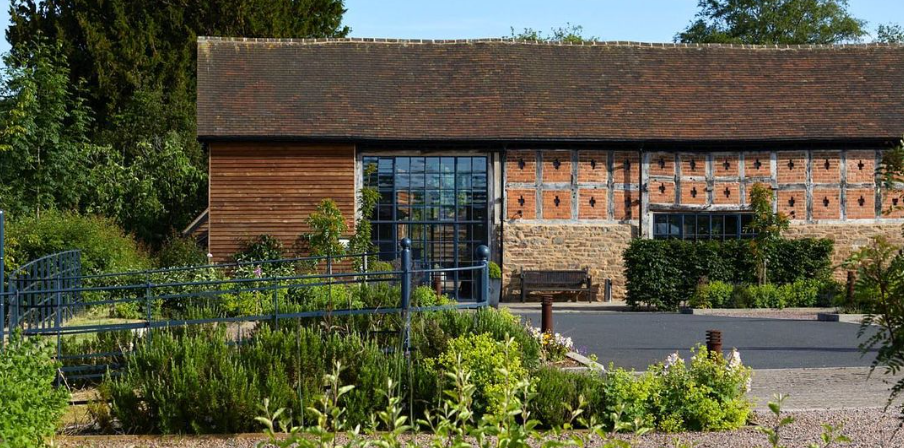
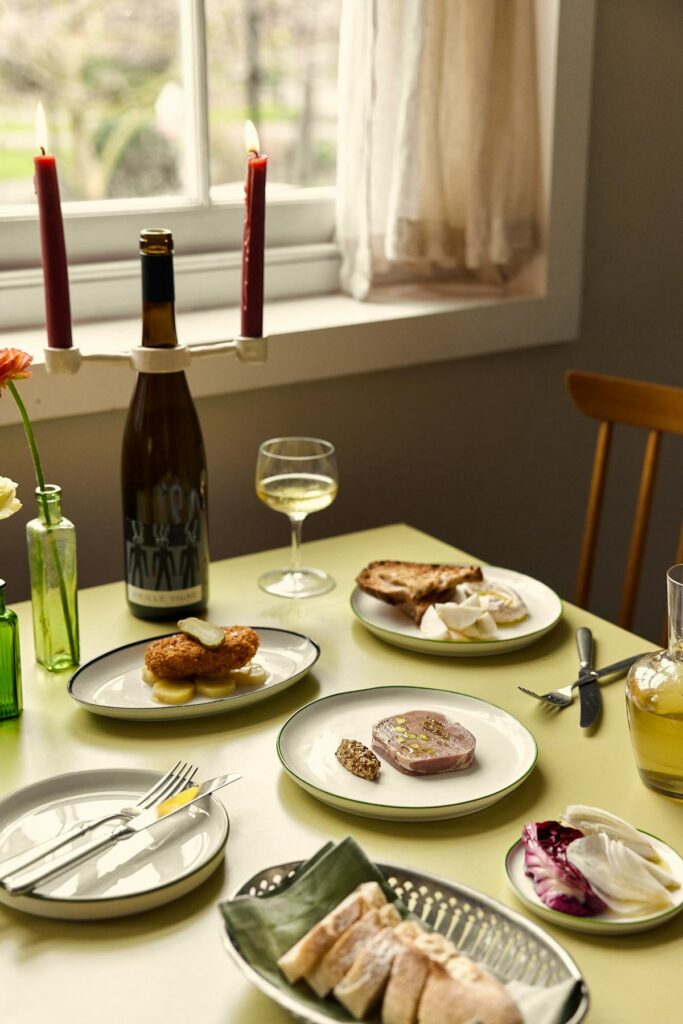
Leeds is about to welcome a new gem in its vibrant food and drink scene: White Cloth Hall. Set to open this August on Crown Street, behind the Corn Exchange, this all-day food and drink hall promises to showcase the best of Yorkshire’s local produce. Let’s delve into the exciting details of this new venture and meet some of the distinguished local suppliers who will be contributing to its offerings.


The Vision Behind White Cloth Hall

White Cloth Hall aims to create a unique culinary experience by bringing together the region’s most interesting food brands, experienced hospitality staff, and talented chefs. The emphasis is firmly on quality and provenance, ensuring that every dish served is crafted with the finest local ingredients. This dedication to local sourcing not only supports regional businesses but also guarantees freshness and superior taste.


Meet the Suppliers
  1. Sykes House Farm

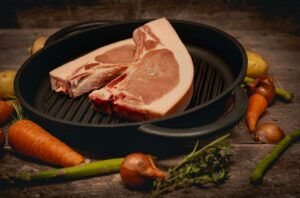
A cornerstone of White Cloth Hall’s meat supply will be Sykes House Farm, based in Wetherby. This third-generation family-run business is renowned for its commitment to quality and ethical sourcing. Sykes House Farm ensures that the meat they provide is of the highest standard while maintaining fair prices for farmers. Their deep understanding of the supply chain and dedication to ethical practices make them a perfect partner for White Cloth Hall.

 

  1. Kirkstall Brewery

Beer enthusiasts will be thrilled with the selection from Kirkstall Brewery, one of the region’s largest independent craft breweries. Known for their innovative brews and commitment to quality, Kirkstall Brewery will supply both cask (real ale) and keg beers. Their recent acquisition of the iconic Tetley HQ on Leeds’ South Bank and the addition of North Brewing Company beers to their portfolio underscore their growth and prominence in the industry.

 

  1. Field & Fawcett

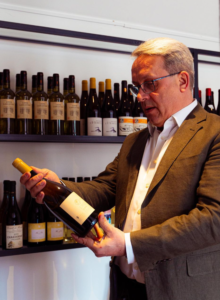
Wine lovers are in for a treat with offerings from Field & Fawcett, a York-based family-owned wine merchant. Peter and Cathryn Fawcett have built their reputation on a passion for wine, food, and exceptional customer service. Peter Fawcett, a leading wine expert in the North of England, is dedicated to sourcing new and exciting wines. Their accolade as Independent Drinks Retailer of the Year at the 2023 Drinks Retailing Awards speaks volumes about their expertise and dedication.
 

  1. Echelon Coffee Roasters

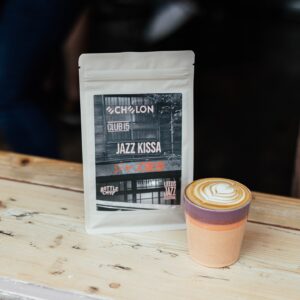
For coffee aficionados, Echelon Coffee Roasters from Meanwood will provide specialty coffee sourced exclusively from Brazil. This artisanal, independent business is committed to ethical standards, ensuring that their beans are sourced with care and that their relationships with smallholders and farmers are mutually beneficial. Echelon’s dedication to quality and ethical practices aligns perfectly with the ethos of White Cloth Hall.


The Driving Force

Ed Mason, co-owner and founder of White Cloth Hall and Managing Director of Whitelock’s Ale House, is enthusiastic about the new venture. “White Cloth Hall will be a celebration of some of the best quality food and drink available in the region, and so finding the right suppliers is absolutely essential,” says Mason. He emphasizes the importance of local producers like Kirkstall Brewery, Sykes House Farm, Field & Fawcett, and Echelon Coffee, who share a commitment to provenance and quality.


A New Chapter in Leeds’ Culinary Scene

White Cloth Hall is not just a new food and drink destination; it’s a celebration of Yorkshire’s rich culinary heritage and a testament to the quality of local producers. With a team that includes major investor Jonathan Morgan and the experience of the team behind Leeds’ oldest pub, Whitelock’s Ale House, White Cloth Hall is poised to become a must-visit venue for food and drink enthusiasts.


As Leeds eagerly anticipates the opening of White Cloth Hall, it’s clear that this new establishment will play a significant role in promoting and celebrating the best of Yorkshire’s food and drink. Whether you’re a local or a visitor, make sure to visit White Cloth Hall to experience the finest that Yorkshire has to offer.


Meet the Chefs Behind the Paris 2024 Olympics

The Paris 2024 Olympics promise an extraordinary experience, not just through world-class sports, but also through a remarkable culinary journey. This year, the Olympic Village will host what is touted as the “world’s largest restaurant,” transforming the dining experience for athletes and visitors alike with the help of top French chefs.


Renowned Chefs at the Helm

Leading the culinary charge is Charles Guilloy, the executive chef of the Olympic Village, who along with his team of 200 culinary professionals, will serve 40,000 meals daily. The team includes renowned chefs such as:

Stéphane Chicheri: Known for his refined French cuisine, he will offer dishes like almado-style bread salad.

Akrame Benallal: Chef at Akrame in Paris, bringing dishes such as chicken tandir.

Amandine Chaignot: The chef behind Pouliche in Paris, who will serve innovative creations like poached egg croissant with artichoke cream, goat cheese, and truffle.

Alexandre Mazzia: From the three-Michelin-starred AM in Marseille, offering gourmet items like smoked salted hake with tapioca in veggie bouillon.


World’s Largest Restaurant

The Olympic Village will be transformed into a massive dining hub with a 3,500-seat restaurant open 24/7, serving over 500 different recipes tailored to the nutritional needs and cultural preferences of athletes from over 200 countries. The menu will feature a diverse array of cuisines, including:

French Classics: Dishes like veggie Bourguignon and brandade de morue.

Asian Delights: Minced pork with Thai basil and basmati rice.

African and Caribbean Flavors: Bell pepper, onion, and tomato stir fry (Chakchouka) and fried shrimp with chermoula sauce.

Global Favorites: Lamb with mint juice reduction and veggie moussaka.


Sustainable and Inclusive Dining

Paris 2024 aims to cut the carbon footprint of its catering in half. This involves using 80% locally sourced French products, emphasizing seasonal and certified ingredients, and offering extensive vegetarian options. The main restaurant will use only reusable dishes, and La Concorde will feature a fully vegetarian menu, promoting sustainable dining practices.


Interactive Culinary Experiences

Athletes will have the unique opportunity to participate in daily bakery workshops, learning to bake traditional French baguettes under the guidance of expert bakers like Tony Doré. This interactive element adds a layer of cultural immersion to their stay.


The Paris 2024 Olympics will be a feast for the senses, showcasing the best of French cuisine and hospitality. With a focus on sustainability, diversity, and culinary excellence, these Games promise a unique and memorable dining experience for all.

Cateys 2024: Full List of Winners

The Cateys 2024, a prestigious event in the hospitality industry, recently took place at the JW Marriott Grosvenor House in London, bringing together the industry’s finest to honour their exceptional achievements. This year’s awards were a testament to the unwavering dedication and innovation within the sector.


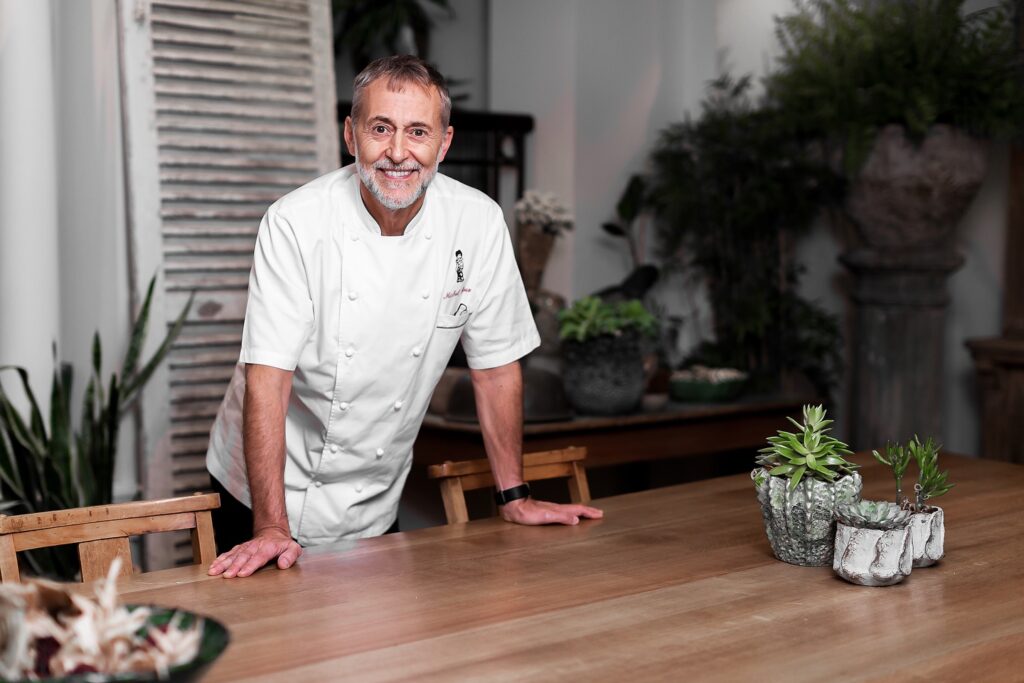
Lifetime Achievement Award: Michel Roux

Michel Roux was honoured with the Lifetime Achievement Award for his remarkable 34-year tenure at Le Gavroche in Mayfair. Roux has significantly contributed to the industry by mentoring young chefs through the Roux Scholarship and leading a two-Michelin-starred establishment.


Special Award: Genuine Dining Co Duo

Chris Mitchell and Robbie Laidlaw, CEO and Business Development Director of Genuine Dining Co, received the Special Award. Their inspiring 3,000-mile Atlantic row in December raised over £250,000 for Hospitality Action, showcasing their resilience and commitment to the cause.


International Outstanding Achievement Award: Sharan Pasricha

Sharan Pasricha, founder of Ennismore, was recognized with the International Outstanding Achievement Award. Since 2011, Pasricha has expanded the Hoxton hotel brand globally and successfully revitalized Gleneagles, which also won the Best Employer Award.


Full List of Winners

  • Manager of the Year: Helle Jensen, for her 26-year leadership at Covent Garden Hotel.
  • Chef Award: Aktar Islam, praised as an ambassador for the industry.
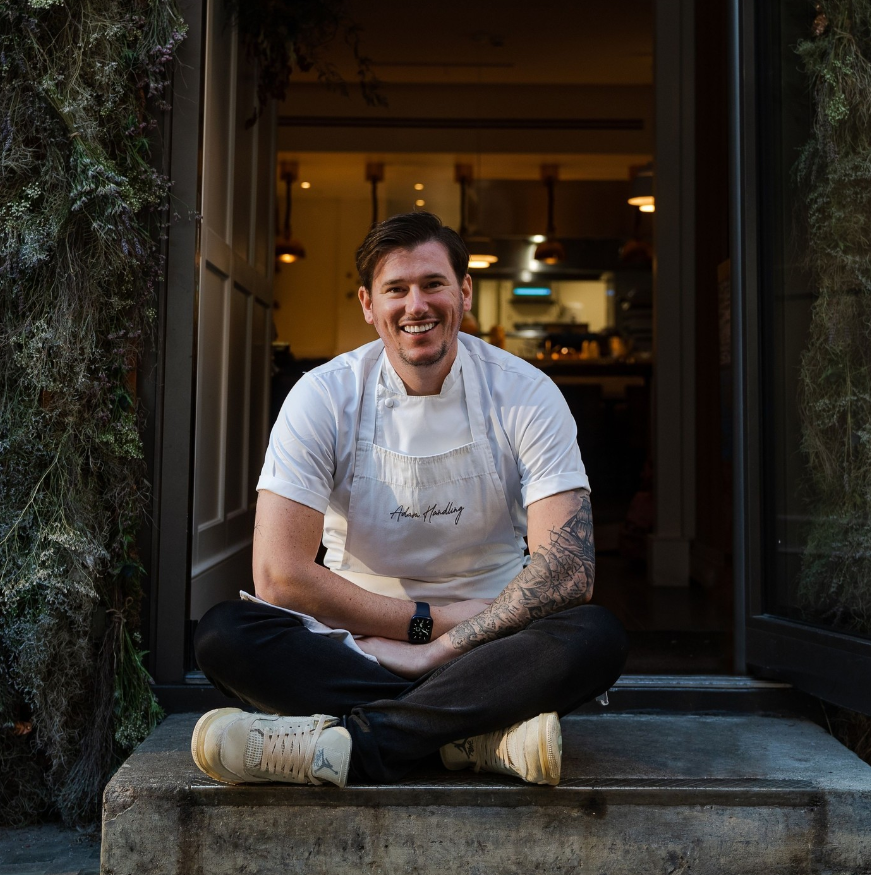
  • Restaurateur of the Year – Independent: Adam Handling of Adam Handling Restaurant Group.
  • Restaurateur of the Year – Group: Nisha Katona of Mowgli.
  • Best Employer Award: Gleneagles
  • Best Marketing Campaign Award: Kerb at Seven Dials Market
  • Best Use of Technology Award: Gather & Gather
  • Chef Award: Aktar Islam
  • Education and Training Award: Peter Jones, Crumbs
  • Foodservice Caterer Award: Matt Thomas, Restaurant Associates
  • Health and Nutrition Award: Signature Dining
  • Hotel of the Year – Group: The Langham, London
  • Hotel of the Year – Independent: Heckfield Place
  • Manager of the Year Award: Helle Jensen, Covent Garden Hotel
  • Menu of the Year Award: Lark, Bury St Edmunds
  • Newcomer Award: Upstairs by Tom Shepherd
  • Pub and Bar Award: Liberation Group
  • Public Sector Caterer Award: Paul Robottom, Signature Dining Ltd
  • Restaurateur of the Year – Group: Nisha Katona, Mowgli
  • Restaurateur of the Year – Independent: Adam Handling, Adam Handling Restaurant Group
  • Sustainable Business Award: Exclusive Collection
  • Wine and Spirit Ambassador Award: Isa Bal, Trivet
  • Accessibility Award: Windmill Barns Holiday Lets
  • International Outstanding Achievement Award: Sharan Pasricha
  • Special Award: Chris Mitchell and Robbie Laidlaw
  • Lifetime Achievement Award: Michel Roux

A Night to Remember

Guests at the Cateys enjoyed a summer feast crafted by Raymond Blanc and his team from Le Manoir. The evening was not only a celebration of the winners but also a recognition of the collective efforts driving the hospitality industry forward.

James Stagg, editor of The Caterer, expressed pride in celebrating the industry’s achievements, particularly highlighting the contributions of Michel Roux and the inspiring stories of other winners. The event underscored the industry’s resilience, creativity, and commitment to excellence.

For more details on the event and the winners, visit the official Cateys page here.


Labour’s Blueprint for Supporting UK Hospitality

The Labour government, following its recent election victory, has introduced a series of policies aimed at revitalizing the UK’s hospitality sector. These initiatives target key challenges such as business rates, workforce management, and employment rights. Here’s a detailed look at what the new policies mean for the hospitality industry.


Business Rates Reform

Labour has promised to reform business rates, which currently impose a significant financial burden on hospitality businesses. The sector pays disproportionately high rates compared to other industries. The government aims to create a fairer system to reduce financial pressures on pubs and restaurants, helping them compete more effectively against online businesses.


Reducing High Street Vacancies

To rejuvenate the high street, Labour plans to give communities a ‘right to buy’ local assets, ensuring buildings remain in use and contribute to a vibrant local economy. This initiative is expected to increase foot traffic, benefiting hospitality businesses located in these areas.


National Living Wage Increase

Labour intends to raise the National Living Wage to at least £10 per hour, extending it universally across all age groups. While this will improve earnings for younger workers, it could increase operational costs for businesses already dealing with financial pressures. Future adjustments might also link the minimum wage to living costs, potentially leading to further payroll increases.


Apprenticeship Levy Reform

Changes to the Apprenticeship Levy are also on the horizon. Labour’s proposal allows businesses more flexibility in using apprenticeship funds, enabling them to invest up to 50% of these funds in training both new apprentices and existing staff. This could create up to 150,000 additional funded traineeships, helping to upskill the workforce.


Enhancing Workers’ Rights

The new government is committed to improving workers’ rights, which includes banning zero-hour contracts and enhancing statutory sick pay to cover all workers. They also plan to reform parental leave policies, making them more inclusive and supportive for working parents.


Labour’s policies signal a transformative approach to supporting the UK hospitality sector. By addressing critical issues like business rates, wage structures, and employee rights, these measures aim to create a more equitable and sustainable environment for hospitality businesses to thrive. As the new government implements these changes, operators will need to adapt and leverage available resources to remain competitive and compliant.

Election Insights for Hospitality: What Each UK Political Party Offers

With the UK general election approaching on July 4th, understanding each political party’s proposals for the hospitality sector is crucial for industry professionals.


Apprenticeships

The Conservative Party aims to create 100,000 more apprenticeships annually to bolster the hospitality workforce. Labour plans to reform the apprenticeship levy to allow for more flexible, tailored courses. The Liberal Democrats propose replacing the apprenticeship levy with a broader skills and training levy. Plaid Cymru focuses on identifying sectors in need of apprentices, offering them a living wage, free travel, and meals. The Reform Party emphasizes increasing technical courses and apprenticeships to better prepare workers for the hospitality industry.


Business Rates

The Conservatives plan to ease business rates for high street and hospitality businesses to reduce financial burdens. Labour seeks to replace the current system with a fairer method. The Liberal Democrats advocate abolishing business rates in favour of a Commercial Landowner Levy. The Green Party aims to empower local authorities to exempt essential enterprises. Plaid Cymru intends to reform business rates to support small businesses, while the Reform Party proposes abolishing rates for small businesses and taxing large multinationals more heavily.


Immigration and Hiring Overseas Workers

The Conservative Party plans to cap migration and raise visa thresholds, impacting the hospitality sector’s ability to hire overseas workers. Labour aims to streamline immigration processes to facilitate hiring. The Liberal Democrats support a flexible, merit-based visa system. The Greens propose ending income requirements for immigrant spouses. Plaid Cymru seeks Welsh control over visa schemes, and the SNP wants full powers over Scottish immigration. The Reform Party focuses on restricting student dependents and introducing new visa rules for international students.


Minimum Wage

The Conservatives plan to maintain the National Living Wage, projecting it to reach £13 per hour. Labour intends to adjust the minimum wage to the cost of living and eliminate age bands. The Liberal Democrats propose a National Minimum Wage for apprentices and higher wages for zero-hour contracts. The Green Party aims to raise the minimum wage to £15 per hour and reduce National Insurance for small businesses. The SNP supports aligning the minimum wage with the National Living Wage, adjusting it for inflation.


Minister for Tourism and Hospitality

The Liberal Democrats propose the creation of a dedicated Minister of State for Tourism and Hospitality, highlighting the importance of this sector within the government.


Pubs and the Night-Time Economy

The Conservative Party promises a review to reverse the decline of pubs and clubs. Labour proposes a community ‘right to buy’ scheme for assets like pubs to keep them operational. The Liberal Democrats advocate for greater local authority control over night-time economy policies. The Greens suggest reviewing planning regulations to better support hospitality venues.


VAT and Tax-Free Shopping

The Green Party and the SNP both seek to address VAT issues in the hospitality sector, with the Greens aiming to reduce VAT and the SNP proposing lower rates for hospitality and tourism. The Reform Party wants to reinstate tax-free shopping for tourists and raise the VAT threshold to £150,000, benefiting small hospitality businesses.


Workers’ Rights

The Conservatives aim to balance strike rights with the public’s rights, ensuring minimal disruption. Labour proposes comprehensive protection for workers, including a ban on zero-hours contracts. The Liberal Democrats plan to establish a Worker Protection Authority and extend rights to gig economy workers. The Greens advocate for equal rights for all workers, a four-day workweek, and stronger unions. Plaid Cymru seeks to abolish zero-hours contracts and protect the right to disconnect from work. The SNP supports protecting strike rights and scrapping zero-hours contracts, while the Reform Party proposes penalties for illegal hiring and easing employment laws to benefit businesses.


Other Policies

The Conservatives and Liberal Democrats support a Deposit Return Scheme to encourage recycling within the hospitality industry. The Conservative Party also maintains lower alcohol duties, with Labour hinting at a potential beer tax freeze. Various parties have additional initiatives, ranging from local food procurement and free school meals to enhanced venue security measures through Martyn’s Law.

Understanding the New Tips Legislation

The UK has introduced new legislation aimed at ensuring fair and transparent handling of tips, gratuities, service charges, and TRONC systems in the hospitality industry. Here’s a detailed look at the changes and what they mean for hospitality staff and employers.


What are Tips and Gratuities?

Tips and gratuities are payments given voluntarily by customers as a reward for good service. They can be in the form of cash, card payments, or through digital services.


Service Charges

Service charges are additional amounts added to a customer’s bill, which can be mandatory or discretionary. The key difference is that mandatory service charges always require National Insurance contributions, while discretionary ones do not if properly handled.


TRONC Systems

A TRONC (a special arrangement for distributing tips and service charges among staff) must be managed by a designated troncmaster who is not the employer. This ensures that the distribution is handled independently, fostering transparency and fairness.


VAT Implications

Tips freely given by customers are not subject to VAT. However, mandatory service charges are subject to the standard VAT rate.


Income Tax and National Insurance

  • Direct Tips: When tips are given directly to employees, the responsibility of reporting and paying taxes falls on the employees themselves.
  • TRONC Tips: For tips distributed through a TRONC system, the troncmaster must operate PAYE, relieving employers from this responsibility as long as they are not involved in the distribution process.
  • Employer-Handled Tips: If an employer handles the distribution of tips, especially those paid by card, they must operate PAYE and handle National Insurance contributions.


Impact on Staff

  1. Fair Distribution: The legislation ensures that all tips and service charges are distributed fairly among staff, reducing potential conflicts and enhancing morale.
  2. Clear Income Understanding: With transparent records, staff can better understand their earnings and any tax deductions.
  3. Awareness of Tax Responsibilities: Staff need to be educated about their responsibilities for reporting and paying taxes on tips received directly.


Best Practices for Employers

  1. Maintain Transparency: Clearly inform customers whether service charges are mandatory or discretionary.
  2. Detailed Record-Keeping: Keep accurate records of all tips and service charges received and distributed.
  3. Educate Employees: Ensure that all staff understand the new regulations and their responsibilities.
  4. Comply with Reporting Requirements: Accurately report TRONC arrangements to HMRC and ensure proper PAYE operation for tips handled directly.


The new legislation on tips and TRONC systems is designed to create a fairer, more transparent environment in the hospitality industry. By adhering to these regulations, both employers and employees can benefit from a clear understanding of earnings and tax obligations, promoting a more harmonious and legally compliant workplace.

For more detailed information, refer to the official government guidance.

Discover Native: Sustainable Fine Dining in Worcestershire

Native, the brainchild of Ivan Tisdall-Downes and Imogen Davis, has evolved from its street food origins in Covent Garden to a full-fledged sustainable restaurant. Relocated from London to the picturesque Netherwood Estate in Worcestershire, this unique dining experience promises a seamless blend of rustic charm and fine dining.
 

Ivan Tisdall-Downes, an experienced chef with a diverse culinary background, and Imogen Davis, the business director, started Native with a street food stall in 2016. Their early menu featured unconventional dishes like pigeon kebab and squirrel lasagne. Over time, Native transitioned to a more refined dining style, culminating in their dream of a farm-to-table restaurant.


At Native, the menu is dictated by the land. The restaurant offers a tasting menu-only format, with a choice between a four-course meal for £65 or a seven-course experience for £105. The dishes, which can change daily, highlight the freshest local ingredients. Sample offerings include a ‘regeneration risotto,’ Herdwick lamb with Wye Valley asparagus, and blackcurrant leaf madeleines. Sundays feature a special nose-to-tail roast menu for £45.
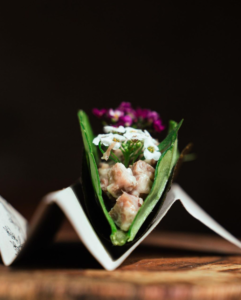
 

Native’s beverage program is as thoughtfully curated as its food. The wine list focuses on organic, biodynamic, natural, and low-intervention wines, available by the glass, bottle, or as part of a pairing. The restaurant also offers signature cocktails inspired by their kitchen garden, along with beers from Two Tribes Brewery, kombuchas, and foraged teas.


The restaurant’s rustic, stripped-back interior remains largely unchanged from its predecessor, Pensons. The dining area accommodates 32 guests, with an additional 14-seat private dining room upstairs. Two adjacent bedrooms are available for overnight stays, with plans to expand this to seven rooms to enhance accessibility for travellers.

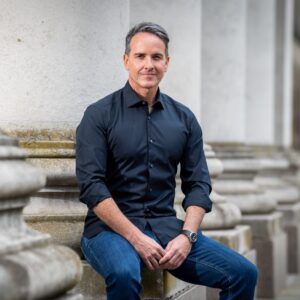
 

Native’s commitment to sustainability is evident in every aspect of its operations. From sourcing ingredients through regenerative farming to implementing comprehensive composting practices, the restaurant aims to give back more than it takes. This dedication to sustainability ensures that each meal is not only delicious but also environmentally responsible.


Native’s relaunch in Worcestershire marks a new chapter in its journey, blending sustainability with culinary excellence. Whether you’re a local foodie or a visitor, Native offers a dining experience that is as ethical as it is unforgettable. Visit Native’s website for more information and to book your table at this remarkable restaurant.

Sacha Lord Urges Government to Appoint Minister for Hospitality

The hospitality industry, a cornerstone of the UK economy, is under significant strain. Sacha Lord, the Night Time Economy Adviser for Greater Manchester, has made a compelling case for the government to appoint a dedicated Minister for Hospitality. This move, he argues, is essential for addressing the unique challenges and needs of this vital sector.


Lord highlights several key issues that have plagued the hospitality industry in recent years, from the impracticality of certain COVID-19 regulations to ongoing struggles with energy pricing and workforce shortages. The lack of a dedicated minister has led to a series of policy missteps and a general misunderstanding of the sector’s importance among lawmakers.

 

The hospitality industry is not just about food and drink; it is the fifth-largest sector in the UK, contributing a staggering £93 billion to the economy and playing a crucial role in supporting tourism. Despite its significant economic impact, the sector has often been overlooked in political discussions, leading to decisions that have put businesses at risk.


Over 23,000 hospitality venues have closed in the past three years, a testament to the sector’s vulnerability in the face of the pandemic, rising living costs, and interest rate hikes. Financial instability, combined with a shrinking workforce and increasing operational costs, underscores the need for targeted support. A dedicated minister could provide the focused attention and advocacy needed to navigate these challenges.


Lord’s appeal is clear: the incoming government must prioritize the appointment of a Minister for Hospitality. This role would ensure that the sector’s interests are adequately represented in Parliament, fostering a better understanding of its challenges and securing its future. Such a move would demonstrate a genuine appreciation of the hospitality industry’s value and its indispensable contribution to the UK’s economy and cultural fabric.
 

The hospitality sector’s future hinges on the recognition of its importance and the provision of dedicated support. By appointing a Minister for Hospitality, the government can take a significant step towards ensuring the sector’s resilience and growth. Sacha Lord’s call to action is not just timely but crucial for the sustained prosperity of the industry. This proactive approach will help safeguard the livelihoods of countless individuals and businesses, reinforcing the hospitality industry’s role as a pillar of the UK economy.

The Latest Concept Restaurants

This month brings an exciting array of new restaurant openings across the UK, featuring renowned chefs and innovative concepts. Here’s a detailed look at the standout venues making their debut this month.


Albatross Death Cult – Birmingham

Alex Claridge, known for his avant-garde approach at The Wilderness, is launching a new venture, Albatross Death Cult, in Birmingham’s Jewellery Quarter. Set in a Grade II listed warehouse, this unique dining experience will seat 14 guests around a monolithic kitchen counter. The tasting menu, featuring 12 or more dishes, will predominantly focus on seafood and coastal ingredients. Claridge’s “brutalist” style will see ingredients like mackerel used in multiple ways, such as fresh sashimi and a clarified smoky dashi.

Location: Newhall Square, Birmingham, B3 1RU


Akira Back – London

Korean chef Akira Back opens his namesake restaurant at the Mandarin Oriental Mayfair in London. This 148-cover dining room will offer dishes inspired by Back’s Korean heritage and modern Japanese cuisine, enriched by his global culinary experiences. The menu includes bento boxes, donburi, and an array of hot and cold dishes such as tuna pizza, wagyu tartare, and wagyu bulgogi tacos. Later, the hotel will also host Dosa, a more exclusive 14-cover dining experience overseen by Back.

Location: 22 Hanover Square, Mayfair, London, W1S 1JP


Tender by Niall Keating – Manchester

Niall Keating, after leaving Luna in Staffordshire, is set to open Tender at the Stock Exchange Hotel in Manchester. The restaurant will offer ‘gourmet food for everyday dining,’ including weekday brasserie lunches, a la carte dinners, afternoon teas, a special Sunday roast, and a chef’s table with a tasting menu. Managed by Tracy Harrison, the venue also includes ‘The Bank,’ a private dining space for up to 12 guests.

Location: 4 Norfolk St, Manchester M2 1DW


Tartan Fox – Cornwall

Adam Handling’s second pub, Tartan Fox, opens in a 400-year-old building between Newquay and Truro. The venue features a bar, wine room, restaurant, and private dining rooms, with additional seating in the extensive garden area. As with Handling’s other ventures, Tartan Fox emphasizes sustainability, sourcing produce locally. The menu includes snacks, pub classics, and signature dishes with Scottish influences.

Location: Carvynick Farm, A3058, Newquay, TR8 5AF


Y Marram – Anglesey

Brothers Liam and Ellis Barrie are relaunching their award-winning Anglesey restaurant The Marram Grass under the new name Y Marram. Initially reopening as an events space, it will host a series of guest chef dinners starting with Romy Gill on June 28. Subsequent dinners will feature chefs like Pip Lacey, Simon Rimmer, Tony Singh, Adam Reid, and Jeremy Pang.

Location: White Lodge, Newborough, LL61 6RS


Henri – London

Chef Jackson Boxer teams up with Experimental Group to open Henri at The Henrietta Hotel in Covent Garden. This new bistro, opening on June 10, will serve French classics with Boxer’s twist, alongside signature Experimental cocktails. Designed by Dorothée Meilichzon, the interior will blend Parisian and Covent Garden aesthetics.

Location: 14-15 Henrietta St, London WC2E 8QH


Jones & Sons – South Woodford, London

Andy Jones expands with a second Jones & Sons restaurant in South Woodford, taking over the former Elmo’s Pizza site. The venue will include a bar, dining spaces, and a garden terrace. Head chef Kieran Hope’s menu will feature seasonal British dishes such as oyster Rockefeller and honey miso cod, along with a brunch and Sunday roast menu.

Location: 98–106 High Road, South Woodford, London E18 2QH


Permit Room – Cambridge

Dishoom’s offshoot, Permit Room, opens its second location in Cambridge on June 10. The menu will include drink-friendly snacks, chaats, patties, and heartier dishes like chicken ruby curry and mattar paneer. Permit Room aims to offer an all-day dining and drinking experience.

Location: 17 Trinity Street, Cambridge, CB2 1TB


Bobo Social – Ealing, London

Bobo Social makes a comeback in Ealing’s Filmworks development. This 120-cover venue, with an additional 40 outdoor seats, will serve modern British and European cuisine, including dishes like chilli salt squid and a smash burger. The cocktail menu will feature creative drinks like The Sicilian and One Day In Summer.

Location: Filmworks Walk, London, W5 5FA


The Little Violet Door – Soho, London

The house-party inspired concept, The Little Violet Door, opens a new venue in Soho. This two-storey space will accommodate 180 guests and offer a menu of sharing dishes, tacos, mezze boards, and a bottomless brunch. The interior design draws inspiration from Swinging London in the 1960s, blending music and fashion from the 70s and 80s.

Location: 9 Kingly Street, Carnaby, London, W1B 5PH


New Openings in May 2024

From vibrant new dining spots to chic hotels and bars, here’s a detailed look at exciting new openings from last month.


Chez Roux

Michel Roux Jr introduces Chez Roux at the Langham London, serving British classics with a French twist. The restaurant’s menu draws inspiration from Roux’s childhood in rural Kent and the early menus from Le Gavroche in 1967, bringing a nostalgic yet modern dining experience. Guests can enjoy a sophisticated atmosphere complemented by elegant décor.


Julie’s

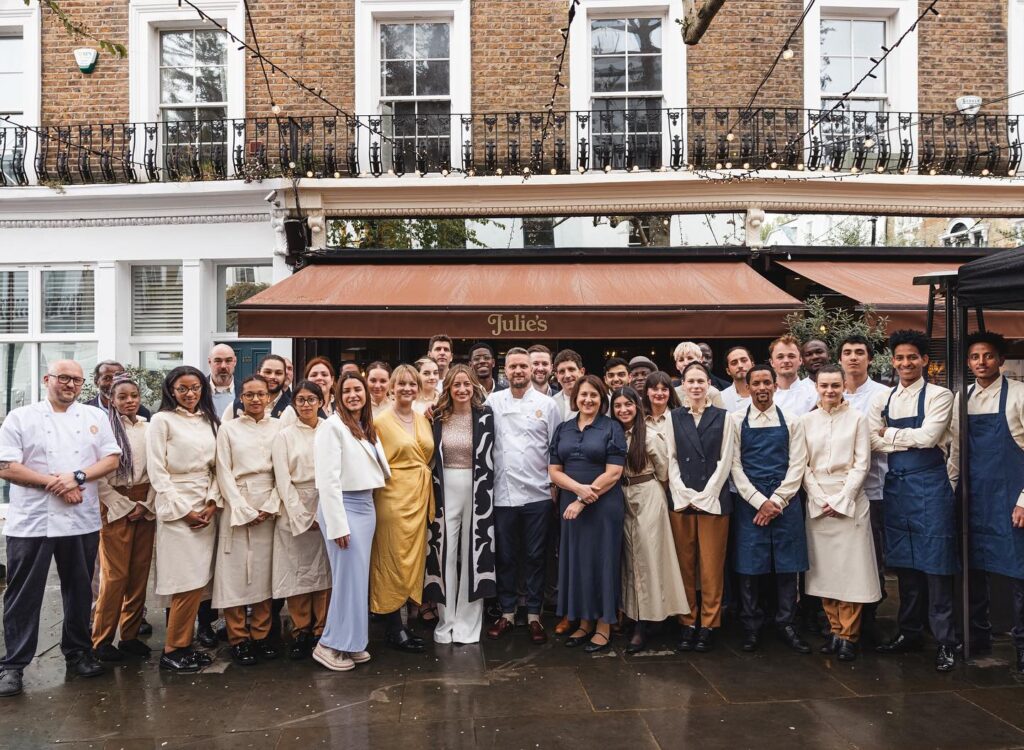
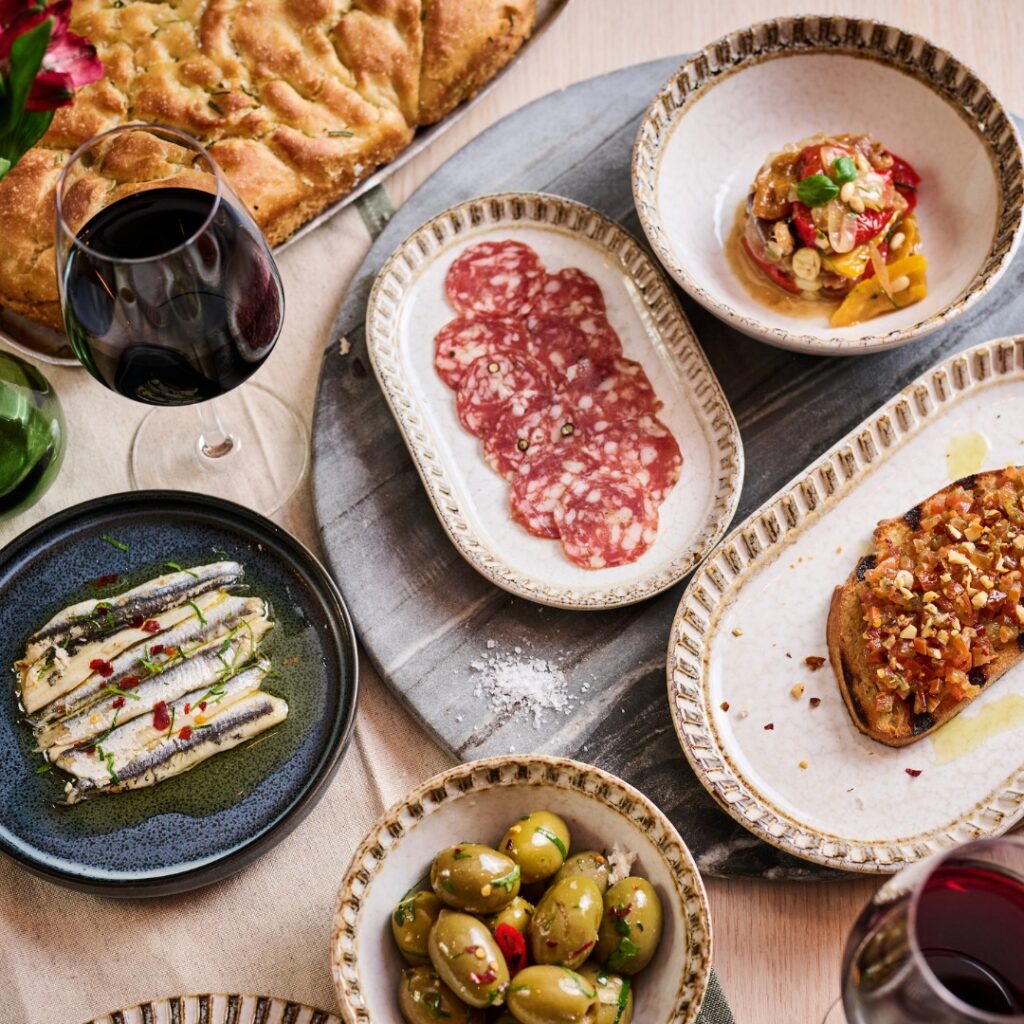
Julie’s in London’s Holland Park reopens under new ownership with a focus on modern French cuisine. Tara MacBain has partnered with interior design studio Rosanna Bossom and chef patron Owen Kenworthy to create a dining experience that emphasizes seasonal produce and high-quality ingredients. The restaurant’s chic interior and relaxed ambiance make it an ideal spot for both casual dining and special occasions.


Giant Yorkie Roast

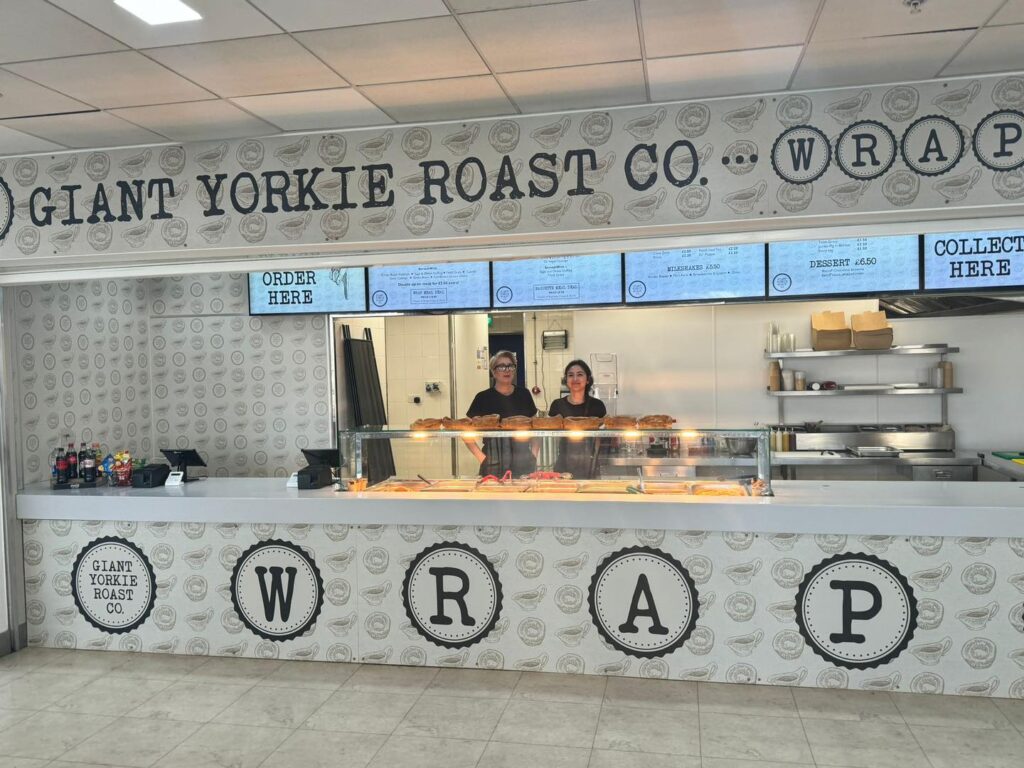
Joining the Castle Quarter shopping centre in Norwich, Giant Yorkie Roast Co offers a unique take on traditional roast dinners. The venue serves roast dinner-style wraps filled with turkey, pulled pork, beef brisket, or a range of vegetarian options, all encased in giant Yorkshire puddings. It’s a convenient and delicious option for shoppers and visitors alike.


Roth Bar

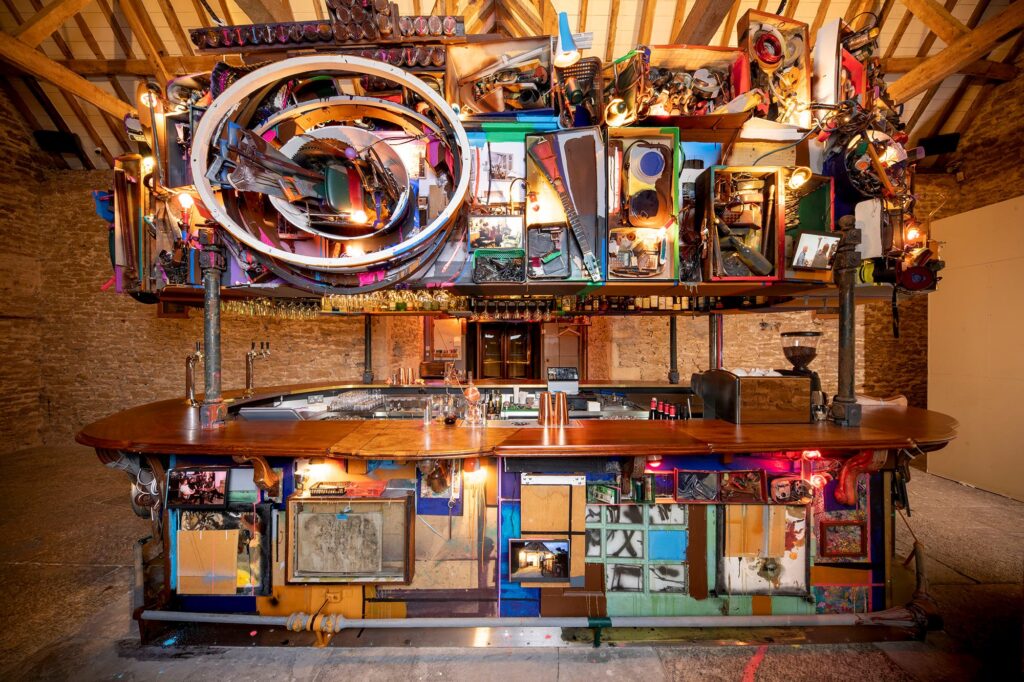
Artfarm, known for the Fife Arms hotel in Braemar and Mount St Restaurant in London’s Mayfair, opens Roth Bar in Bruton, Somerset. Named after the late artist Dieter Roth, the bar and restaurant offer a blend of art and gastronomy. Guests can enjoy summer minestrone soup, buttermilk fried chicken, and Bacchus Martini in a setting that integrates contemporary art and rustic charm.


Atis

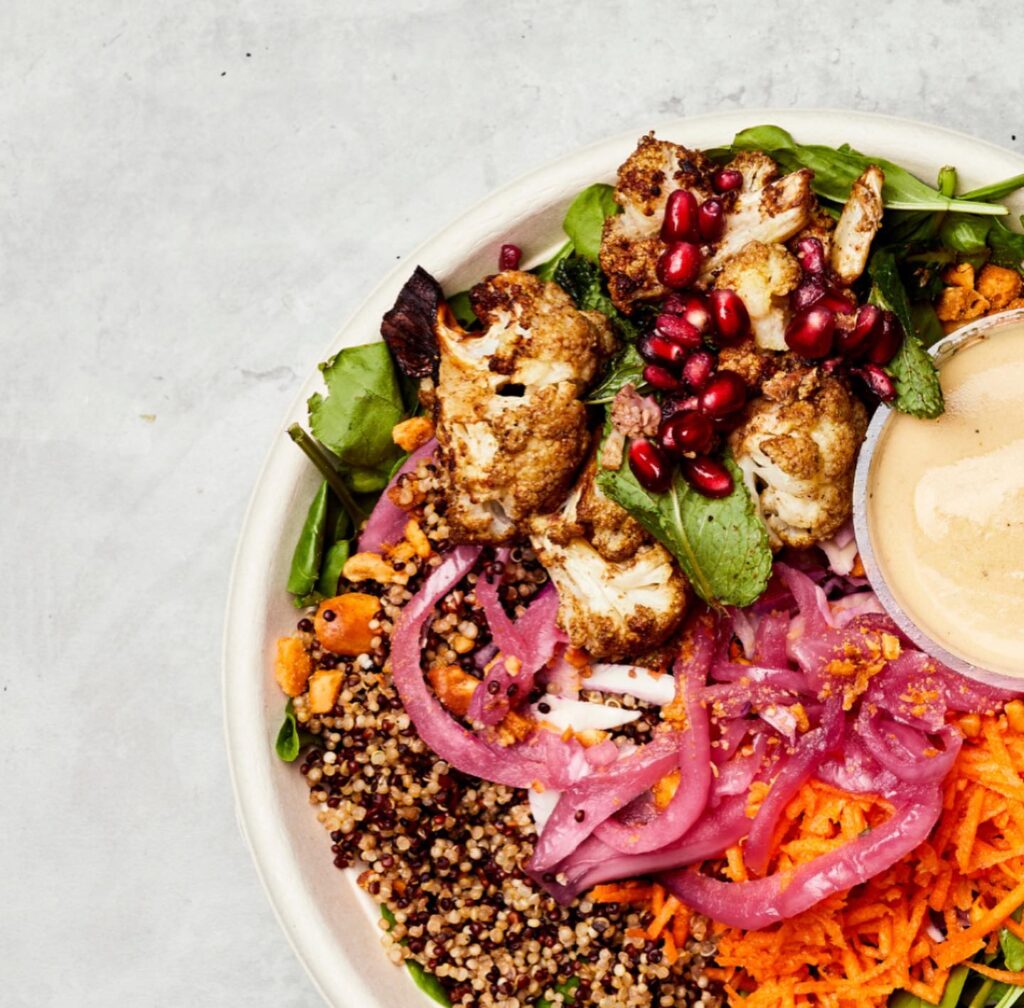
Salad bar Atis launches its flagship restaurant on London’s Regent Street, marking its sixth opening in the capital. Known for its vibrant and healthy bowls, the new location will offer an exclusive bowl alongside its popular menu. The spacious, modern interior provides a perfect backdrop for enjoying fresh, wholesome meals.


The Store

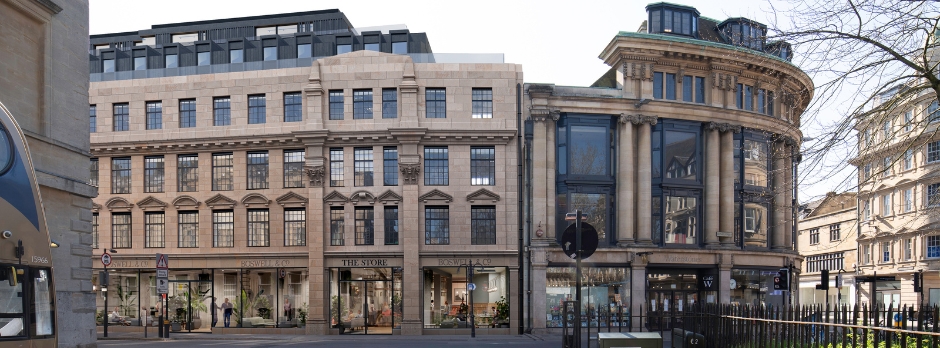
Opening in Oxford, The Store hotel occupies the historic Boswells department store site. This seven-storey, 101-bedroom property features three restaurants and bars, a co-working space, and an urban spa in partnership with British brand Oskia. The hotel’s blend of historic charm and modern luxury makes it a prime destination for both business and leisure travellers.


Pasture Birmingham

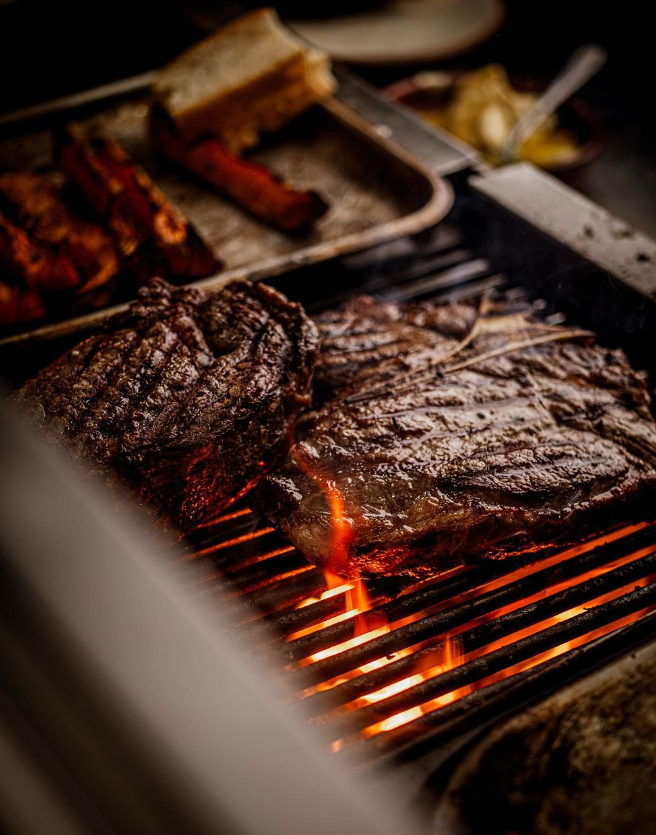
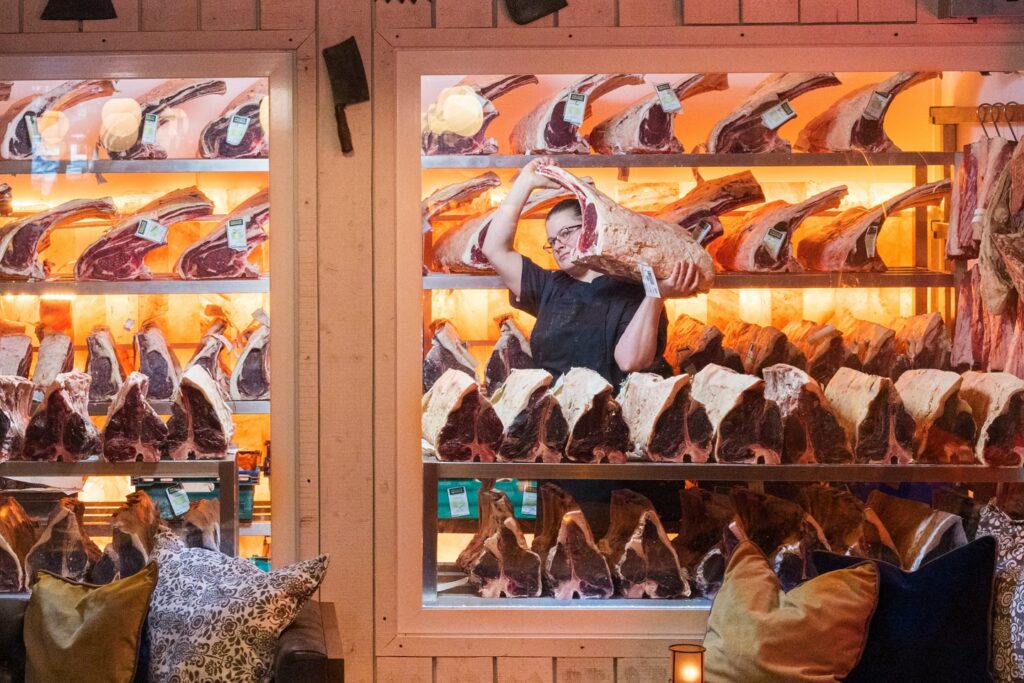
Chef-owner Sam Elliott expands his Pasture restaurant brand with a new 7000 sq. ft site in Birmingham. Known for its fire-based cooking, Pasture Birmingham will feature resident DJs and a selection of high-quality steaks, creating a lively and inviting atmosphere for diners.


1864 Rooftop Bar & Kitchen

Located atop John Lewis & Partners’ flagship Oxford Street store, the 1864 Rooftop Bar & Kitchen offers a chic venue with indoor and outdoor seating. The 7310 sq. ft space on the sixth floor can accommodate up to 200 people standing, with an additional 64 for dining across the indoor bar, outdoor terrace, and greenhouse-style booths.


Bobo Social

Bobo Social launches its third site in London’s Ealing Broadway, offering modern British and European dishes. The 120-cover restaurant, which expands to 160 covers in the summer with a terrace, provides a daily brunch and an à la carte menu of sharing plates, making it a perfect spot for social dining.


El Cenote Camden London

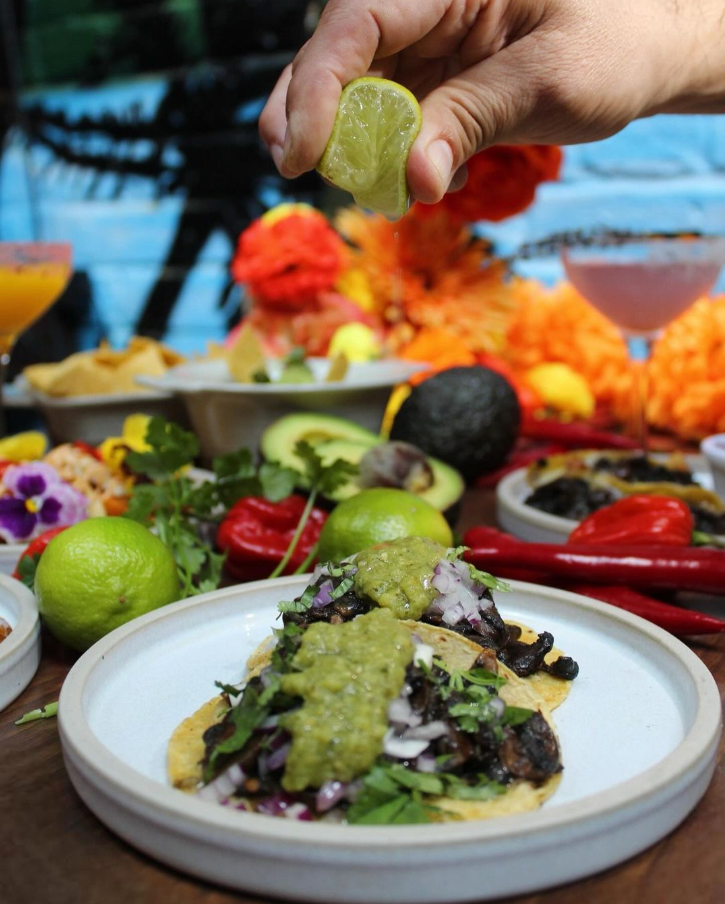
Aima Indigo and chef Daniel Sanchez bring El Cenote to Camden, London, offering traditional Mexican street food. The bar features a variety of cocktails, ranging from classic Margaritas to unique twists on signature drinks, providing an authentic Mexican dining experience in the heart of London.


Sotto Cucina & Bar

Sotto Cucina & Bar opens at Hyatt Place London City East in Whitechapel, offering Sicilian cuisine with a British twist. Executive chef Alfio Laudani combines Catanian flavours with locally sourced British ingredients, creating a unique and flavourful dining experience.


Roe Canary Wharf London

Roe, a new venture from the team behind Fallow, opens in Wood Wharf, London. Emphasizing zero waste and nose-to-tail cooking, Roe’s menu is inspired by Cornwall and southern England. The 500-cover restaurant spans three floors and includes a wraparound terrace overlooking the South Dock canal.


Kati Roll Company

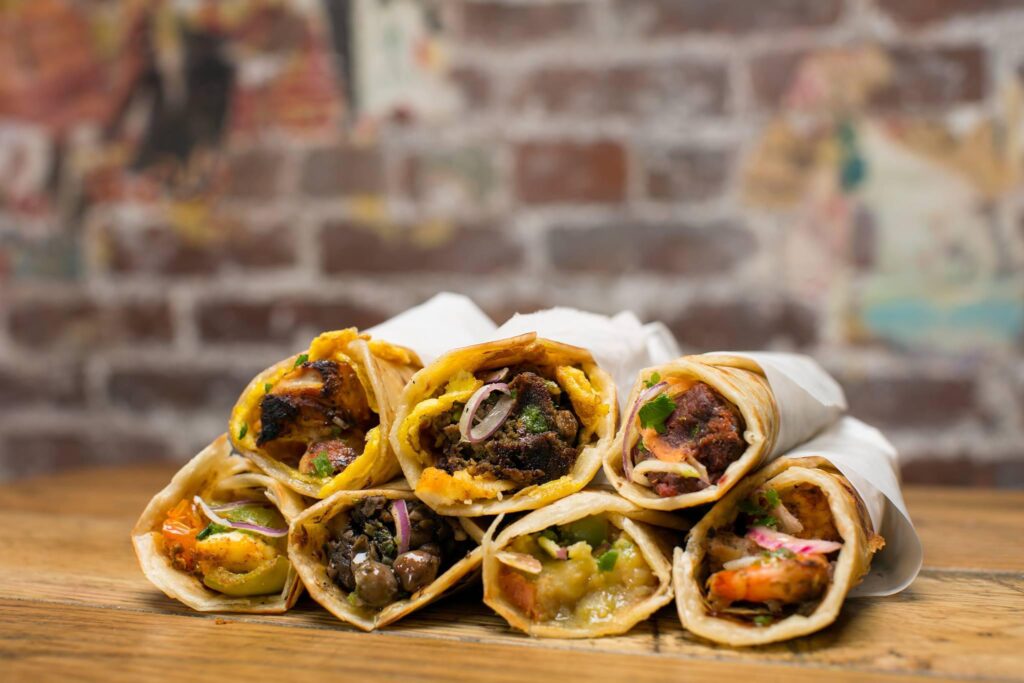
Payal Saha’s Kati Roll Company opens its second London location in Liverpool Street, 16 years after launching its first UK site in Soho. The new venue offers Kolkata-inspired street food, including popular dishes like the unda paneer roll and chicken tikka roll.


Doughnation Covent Garden London

Doughnation brings artisan pizza to London’s Covent Garden with a unique philanthropic approach. A portion of the cost of each pizza slice will be donated to charitable causes. The restaurant includes a terrace in Covent Garden’s piazza, making it a charming spot for enjoying delicious pizza.


Old Harry Rocks Bar & Restaurant Bournemouth

The Nici hotel in Bournemouth’s West Cliff opens its second restaurant, Old Harry Rocks. The 120-cover venue offers a casual dining menu with an emphasis on seasonal seafood, providing a relaxed yet refined dining experience.


Pizza Pilgrims

Neapolitan pizzeria Pizza Pilgrims expands to London’s Euston with a restaurant inspired by the Amalfi Coast. The new 104-cover venue features a beach-themed bar, disco balls, wall art, and colourful umbrellas, creating a vibrant and fun dining atmosphere.


Terrace at Brooklands by Claude Bosi

The Terrace at Brooklands by Claude Bosi at the Peninsula London reopens, offering a refined menu designed by Claude Bosi and Francesco Dibenedetto. Guests can enjoy stunning views of Hyde Park Corner and the Wellington Arch while savouring exquisite dishes.


July Fitzrovia London

Food writer Solynka Dumas and her partner Julian Oschmann open an Alsatian-inspired restaurant and wine bar in Fitzrovia, London. July offers an all-day menu that transitions from breakfast pastries and coffee to bar snacks and small plates, complemented by a selection of low-intervention wines.